Asia's E-Waste Economy: The Urban Mine Caught Between Informal Workshops and Formal Recyclers
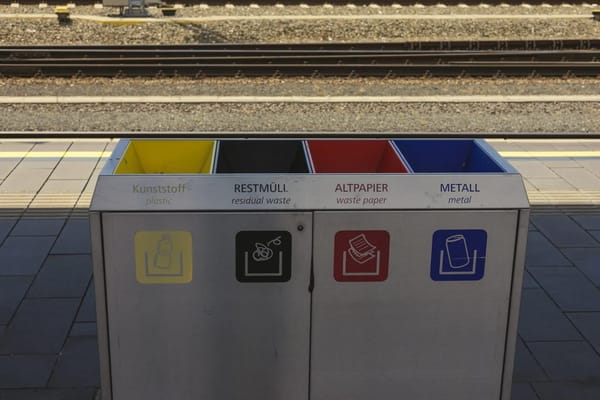
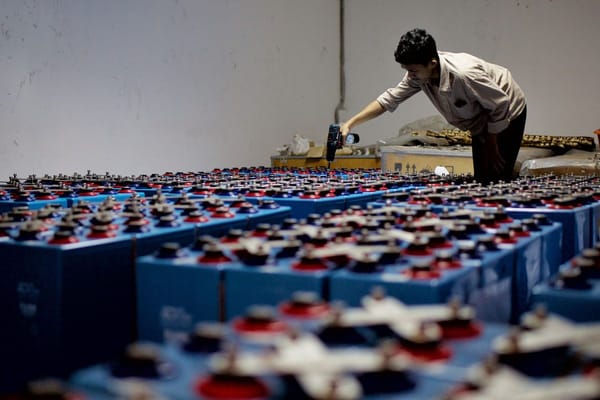
Asia generates more electronic waste than any other region on earth, a direct consequence of being both the world'
A news website covering the environment, climate, and sustainable development in East Asia. The region is both one of the largest sources of pollution and a leader in green energy investment—a contradiction that provides an inexhaustible news agenda. The site covers policy, corporate initiatives, climate data, and environmental projects.
Asia generates more electronic waste than any other region on earth, a direct consequence of being both the world'
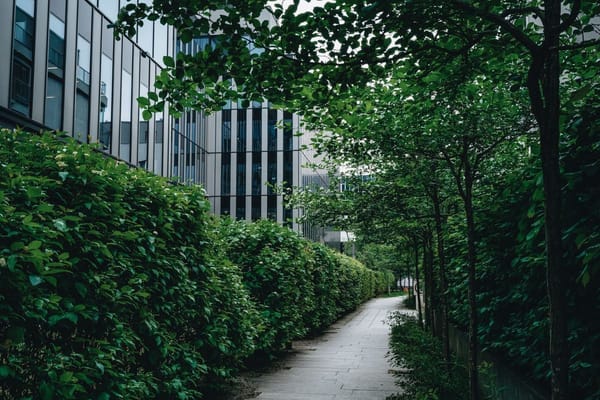
Tokyo, Singapore, Seoul, and Chinese pilot cities are measuring and acting on urban heat island effects — a local temperature problem distinct from global warming that worsens as cities expand regardless of emissions trajectories.
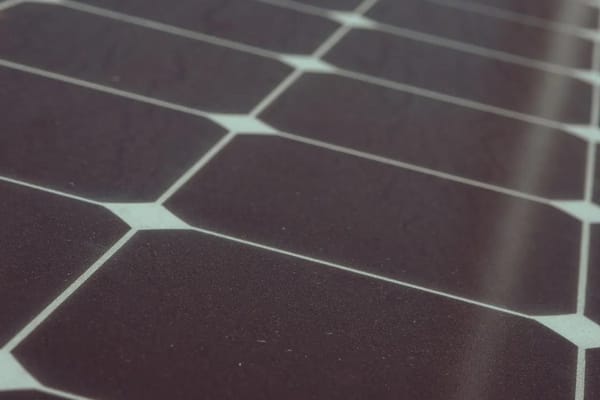
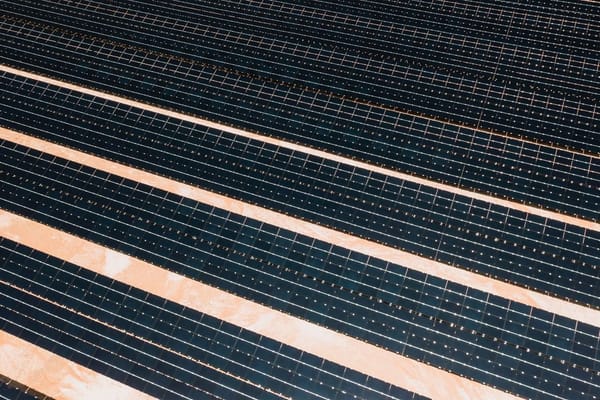
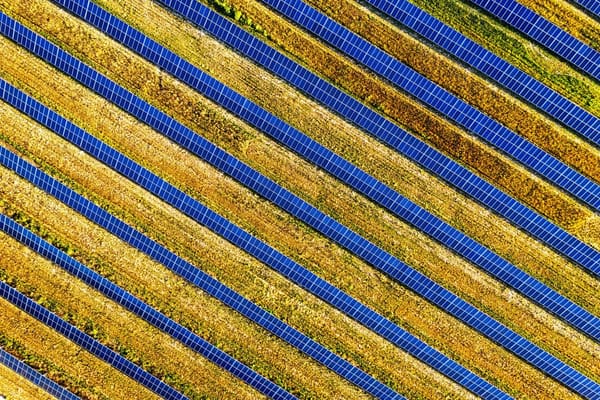
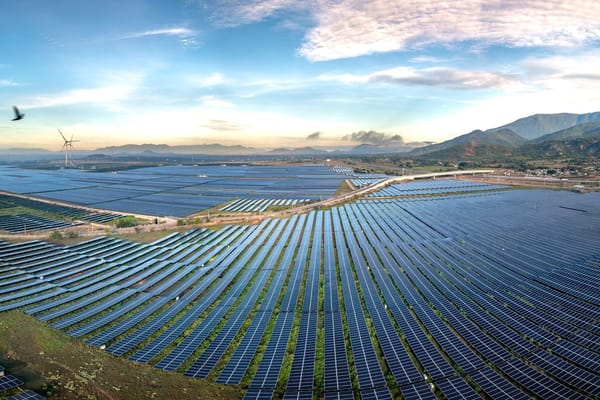
Asia has installed solar at a staggering pace. The harder problem now is what to do with that power when the sun isn't shining — and storage is where the race has moved.
Tokyo carbon market hits 4.2M tonnes weekly, China's 4-hour storage mandate for solar projects above 100 MW, Indonesian nickel satellite data flagging 18,400 hectares cleared, Singapore's $400M coal-retirement vehicle.
Thailand's National Energy Policy Council approved a 9.2 billion dollar, 4.8 gigawatt floating solar programme across nine reservoirs on May 19, 2026.
Japan's lower house is set to vote on its version of a carbon border adjustment mechanism in July 2026, with implementation phased from January 2028. The bill targets cement, steel and aluminium imports — and the redirected trade flows are already moving.
Vietnam had a 7 GW offshore wind ambition that stalled for three years on permit dysfunction. The Q2 2026 reform of the National Energy Development Plan unlocks the pipeline — and finally lets European and Asian developers commit capital that had been parked.
South Korea's three largest steelmakers committed on May 9 to 20 trillion won of hydrogen-based direct reduced iron capacity at Pohang and Dangjin by 2035, with first commercial HyREX in 2029.
Singapore confirmed on May 6 that it will require carbon disclosure on seven imported product categories from 2030, with full price adjustment from 2032. It is Asia's first formal border carbon mechanism.
South Korea unveiled a $40 billion green hydrogen industrial strategy on Monday, targeting deployment in steel, shipping, and petrochemicals by 2030, with major investments by POSCO, HD Hyundai, and SK Group.
Vietnam's revised National Power Development Plan VIII reached the 21 gigawatt solar milestone three quarters ahead of schedule, with private investment driving the acceleration.
Beijing brings 1,672 aluminium and steel plants into the national carbon market, more than tripling coverage and reshaping CBAM exposure for exporters.