Asia's Offshore Wind Auctions Accelerate as Japan, South Korea and Taiwan Compete for Turbine Capacity
Three of Asia's biggest offshore wind markets are running tenders at the same time this year, and the region's turbine and vessel supply chain is starting to show the strain.
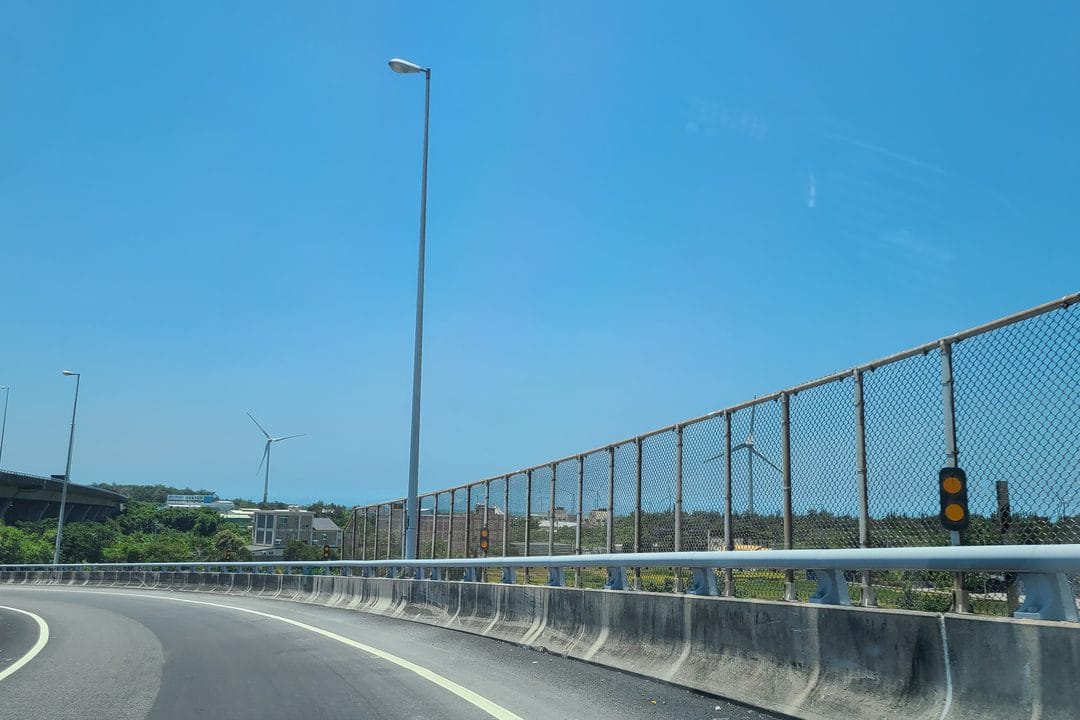
Japan, South Korea and Taiwan have all opened offshore wind tenders in the first half of 2026, pulling the same narrow pool of turbine suppliers, installation vessels and undersea cable capacity toward three separate coastlines. The overlap is straining a supply chain that, outside of China, still counts fewer than a dozen manufacturers capable of building offshore-rated foundations and blades. Developers active in more than one market — including Ørsted, Copenhagen Infrastructure Partners and Macquarie's Green Investment Group — are now weighing which auction to prioritise rather than assuming they can win all three.
Taiwan pushes into its third auction round
Taiwan's state utility, Taipower, alongside the Bureau of Energy, is running Round 3 allocations aimed at adding several gigawatts of capacity in the Taiwan Strait through the early 2030s. The round follows a rocky Round 2, when several international developers scaled back commitments after local-content rules raised project costs. Round 3 keeps the local-content requirement but stretches the delivery timeline, a change the Bureau of Energy says was meant to keep Taiwanese suppliers competitive without driving bidders away entirely.
South Korea's fixed-price auctions draw record bids
South Korea's Electricity Regulatory Commission closed its latest fixed-price offshore wind auction with bids covering more capacity than the government had allocated, according to the commission's own tally. The country is working toward a 2030 target of roughly 14.3 gigawatts of installed offshore wind, a figure first set out in the 10th Basic Plan for electricity supply and demand. Most of the projects competing in this round sit off the coast of Ulsan and Jeollanam-do, where floating foundation technology is still being tested at commercial scale.
Japan spreads bids across four prefectures
Japan's Agency for Natural Resources and Energy has grouped its newest round of seabed leases across Akita, Chiba, Nagasaki and Yamagata, splitting what was once a handful of large single-site auctions into smaller, staggered rounds. The change followed criticism after Mitsubishi Corporation's consortium walked away from three earlier Akita and Chiba projects in 2023, citing cost inflation tied to steel prices and currency swings. Officials say the smaller lot sizes are meant to reduce the risk of any single withdrawal stalling the entire pipeline.
Turbine makers set the pace
Vestas, Siemens Gamesa and GE Vernova between them supply the majority of the turbines bid into all three countries' rounds, and all three manufacturers have said order books are booked out multiple years ahead for their largest offshore models. That backlog is now a factor developers weigh alongside price when submitting bids, since a winning auction result is worth little without a confirmed delivery slot. Regional manufacturers, including units of Doosan in South Korea and CSBC in Taiwan, are expanding blade and foundation output to absorb some of the overflow, though neither has yet matched the largest turbine classes offered by the established suppliers.
The three tenders are due to close on staggered timelines through the rest of 2026, with Taiwan's Round 3 results expected first.