Southeast Asia Reactivates Cross-Border Haze Monitoring as Dry Season Fire Risk Rises
Indonesia, Malaysia and Singapore have reactivated joint haze-monitoring channels and peatland fire-prevention measures ahead of a forecast dry stretch over Sumatra and Borneo.
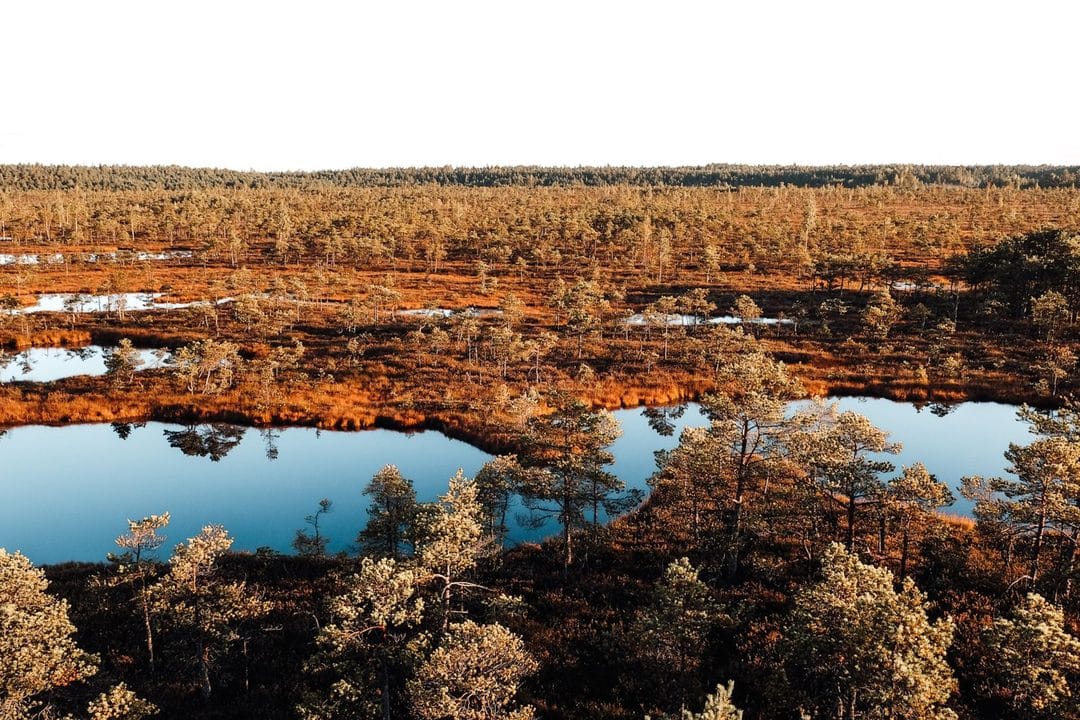
Environment ministries across Southeast Asia are moving early on peatland fire prevention this year, with agencies in Indonesia, Malaysia and Singapore reactivating joint haze-monitoring channels ahead of the region's dry season. The coordination, framed under the long-standing ASEAN agreement on transboundary haze, comes as forecasters point to a drier-than-usual stretch over Sumatra and Borneo in the months ahead.
The concern is familiar. When peat soils dry out and catch fire, they smoulder underground for weeks and release dense smoke that drifts across national borders, closing schools and grounding flights. Indonesian authorities have said patrols and water-bombing aircraft are being positioned in the provinces of Riau and Central Kalimantan, where fire activity has historically concentrated.
Why the dry season is the pressure point
Peatlands store large volumes of carbon accumulated over thousands of years, and a single prolonged fire can emit more than the forest above it ever held. Conservation groups have repeatedly warned that drained peat is far more flammable than intact wetland, which is why much of the prevention effort now centres on keeping water tables high rather than fighting fires once they start.
Indonesia has expanded its peatland rewetting programme over the past decade, building canal blocks and small dams to slow drainage from plantations and degraded land. Officials describe the work as preventive infrastructure rather than emergency response, and several districts have tied funding for it to early-warning indices that track soil moisture and rainfall deficits. Local communities have been recruited in some areas to maintain the water-control structures and report early signs of fire.
Cross-border coordination resumes
Singapore's environment agency said it is sharing satellite hotspot data with neighbouring states and has offered technical assistance, a recurring feature of the regional arrangement. Malaysia, which sits downwind of fires in both Sumatra and Kalimantan, has activated its own open-burning restrictions in several states as a precaution. Thailand and Brunei have signalled they are watching conditions on their own forested frontiers as well.
The ASEAN framework has long been criticised for relying on voluntary cooperation, and enforcement against companies linked to land-clearing fires remains uneven across jurisdictions. Even so, the early reactivation of monitoring this season signals that governments are treating the coming dry months as a heightened risk rather than waiting for the first hotspots to appear.
Researchers tracking the region note that the worst haze episodes have coincided with strong dry phases, when rainfall fails to recharge peat soils. Whether the prevention measures hold will depend heavily on how dry the next stretch turns out to be, and on how quickly authorities respond to the first clusters of fire alerts.