Southeast Asia Tightens Plastic Waste Import Rules as Regional River-Cleanup Treaty Advances
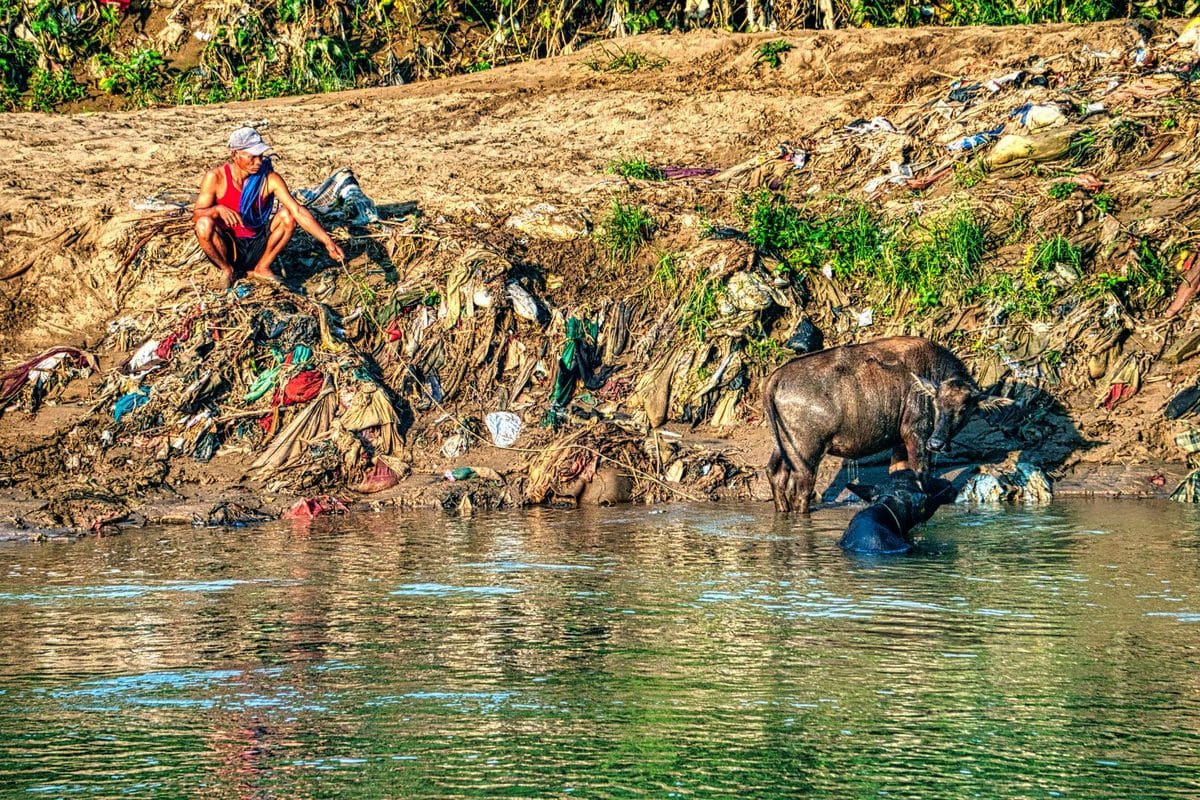
Four Southeast Asian governments moved this month to restrict imports of foreign plastic scrap, while negotiators advanced a separate regional pact to fund cleanup of the rivers that carry most of the world's ocean plastic. The twin developments mark the region's sharpest policy turn yet on a problem it has both suffered from and, in part, imported.
Malaysia, Indonesia, Thailand and Vietnam each announced tighter rules on incoming plastic waste in June, citing overloaded recycling capacity and a surge in low-grade scrap rerouted from China since Beijing's own 2018 import ban. Malaysia's environment ministry said it would cut permitted plastic-scrap imports and step up port inspections after seizing several contaminated shipments in the first half of 2026.
Why the region became a dumping ground
When China stopped accepting the world's plastic waste, the trade did not stop — it moved. Southeast Asia absorbed a large share of the redirected flow, with much of it arriving mislabelled as clean, recyclable material and ending up burned or buried instead. According to environmental groups tracking the trade, contaminated and unrecyclable plastic made up a significant portion of shipments entering the region in recent years.
The new rules aim to close that gap. Indonesia has signalled it will require pre-shipment inspection certificates, and Vietnam is phasing down import quotas with a stated goal of ending most plastic-scrap imports by the end of the decade. Thailand has already legislated a full import ban that takes effect this year.
The river-cleanup treaty
Separately, delegates meeting under an ASEAN environmental working group advanced a draft framework to coordinate and finance cleanup of the region's most polluting rivers. Research has repeatedly found that a small number of Asian rivers carry a disproportionate share of the plastic reaching the oceans, with waterways in the Philippines, Indonesia and Vietnam featuring prominently.
"You cannot solve ocean plastic in the ocean," one delegate involved in the talks said. "It is a river problem, and the rivers cross borders, so the answer has to cross borders too."
The draft would pool contributions from member states and outside donors to fund interception barriers, collection systems and waste infrastructure in the worst-affected catchments. It stops short of binding targets — a point environmental groups have criticised — and leaves enforcement to national governments.
Industry and the recyclers push back
Not everyone welcomes the import crackdown. Some legitimate recyclers in Malaysia and Vietnam argue that clean, sorted imported plastic is a feedstock they depend on, and that a blanket squeeze punishes compliant operators alongside the illegal ones. Industry groups have asked for a tiered system that distinguishes high-quality, traceable scrap from the contaminated bales that triggered the backlash.
The tension is real. Cutting imports too fast could starve the formal recycling sector while doing little about the larger volume of plastic the region generates itself — domestic waste, not imports, remains the bigger source of mismanaged plastic across most of Southeast Asia.
What to watch next
The river-cleanup framework returns to negotiators later in 2026, with the financing formula and any monitoring commitments the key items left open. On imports, the test will be enforcement: similar restrictions announced in previous years were undercut by smuggling and mislabelling, and the new inspection regimes are only as strong as the port officials applying them. For now, the direction of travel is clear, even if the destination is not yet binding.