ASEAN Moves to Harmonise Air-Conditioner Efficiency Rules as Cooling Demand Climbs
Southeast Asian energy regulators are working toward aligned minimum efficiency standards for room air conditioners, a step aimed at curbing the region's fastest-growing source of electricity demand.
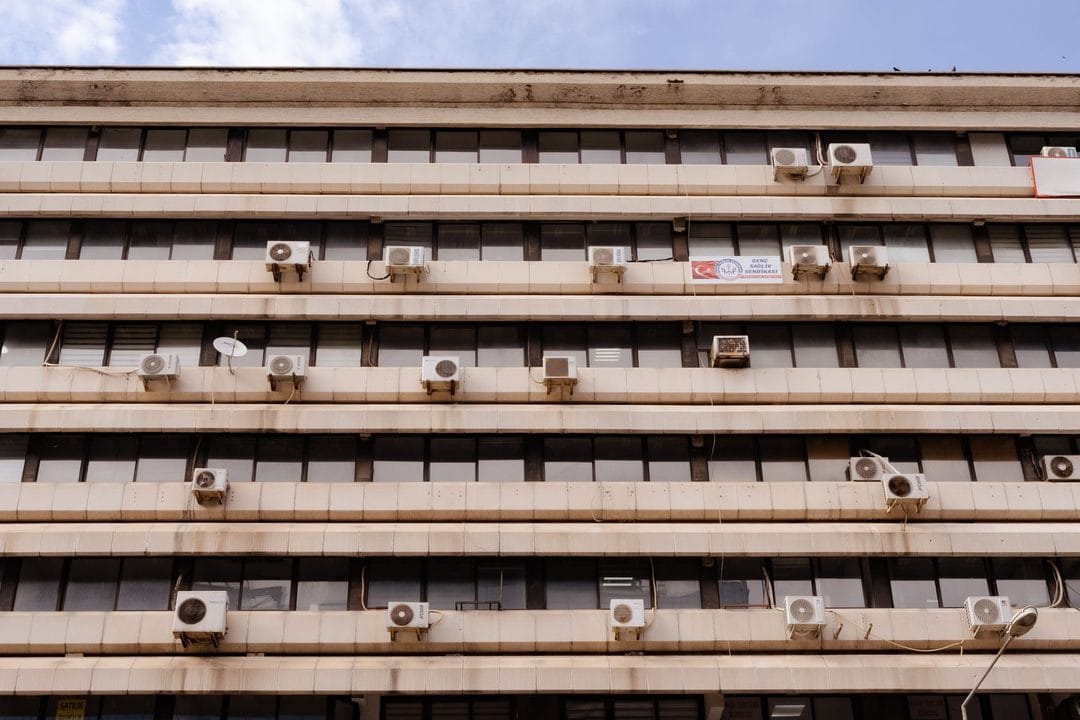
Energy regulators across Southeast Asia are moving to align the minimum efficiency requirements for room air conditioners, a coordination effort intended to slow what has become one of the region's fastest-growing sources of electricity demand. Officials describe the work as an attempt to replace a patchwork of national rules with a common testing and labelling baseline that manufacturers can build to once rather than market by market.
The discussions sit under long-running regional cooperation on appliance standards, an area where ASEAN member states have set efficiency floors at different levels and on different timelines. A harmonised minimum energy performance standard, known as MEPS, would set a single floor below which a unit cannot be sold, paired with a comparable star-style label so shoppers in different countries read the same information.
Why cooling sits at the centre of the grid problem
Air conditioning is among the largest contributors to peak electricity load in tropical Asia, and demand rises sharply during the hottest months when generation is already stretched. The International Energy Agency has repeatedly flagged space cooling as a major driver of future power demand in Southeast Asia, where rising incomes and urban growth are pushing ownership rates up.
Because peak cooling demand often coincides with the late-afternoon and evening hours, it shapes how much generating and grid capacity each country must keep on hand. More efficient units lower that peak without requiring households to use their air conditioners less.
What harmonisation would change
A shared standard targets the gap between what is sold and what is technically available. Lower-efficiency compressors remain on sale in several markets because national floors permit them, even though more efficient models are widely manufactured in the region.
- A common MEPS floor would phase out the least efficient units across participating markets on a coordinated schedule.
- A comparable label would let buyers weigh running costs the same way regardless of country.
- A single test method would cut compliance costs for manufacturers selling across several ASEAN states.
Industry groups have generally supported aligned testing, citing the expense of certifying the same model under several national regimes. Consumer and efficiency advocates have pressed for the floor to be set high enough to remove the weakest products rather than settle at the lowest common denominator.
The implementation question
Differences in enforcement capacity remain the central obstacle. Member states vary in how strictly they verify manufacturer claims and police imports, and a standard is only as effective as the testing and market surveillance behind it. Regional bodies have pointed to laboratory capacity and customs checks as areas needing investment for any common floor to hold.
Timelines for any agreed standard have not been finalised, and adoption would still depend on each member state writing the floor into national regulation. The move comes as several governments revisit appliance efficiency rules alongside broader plans to manage rising electricity demand.