Asia's First EV Battery Recycling Plants Come Online as Early Fleets Reach Retirement Age
New large-scale battery recycling plants in China, South Korea and Indonesia begin operation as the region's earliest electric vehicles reach retirement, with collection remaining the main hurdle.
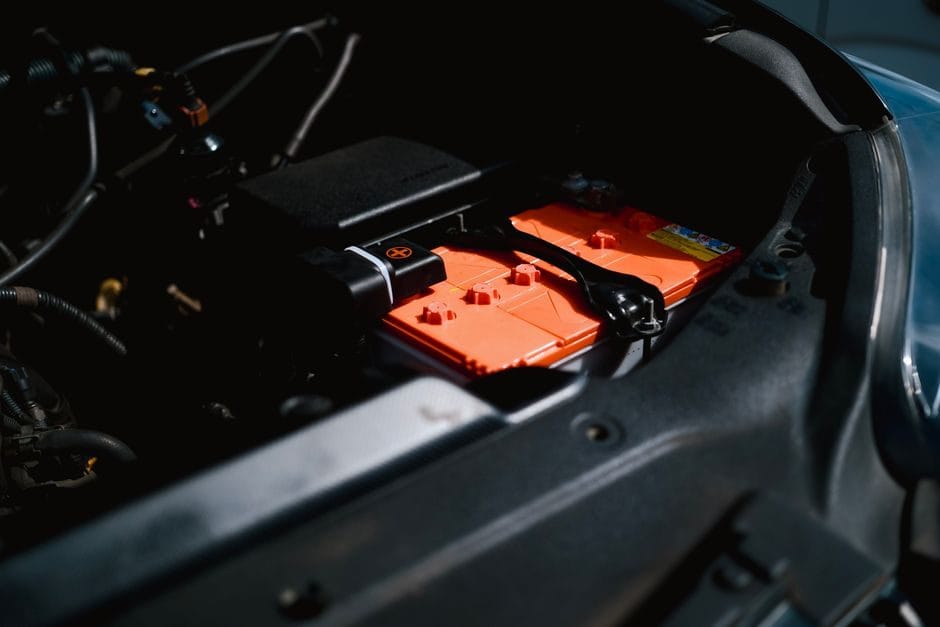
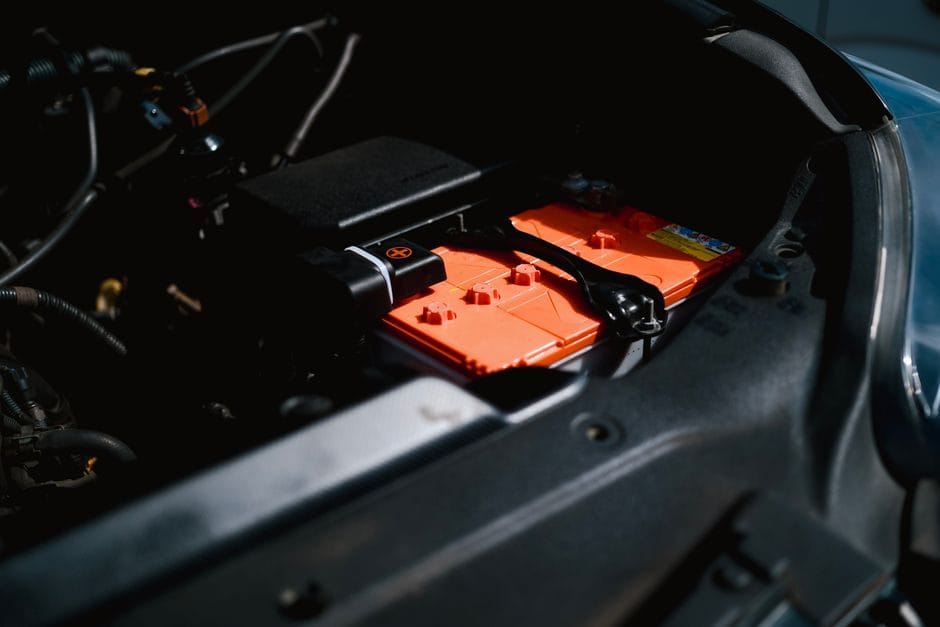
The first wave of electric vehicles sold across Asia a decade ago is now reaching the end of its useful life, and a cluster of large-scale battery recycling plants opening this year is racing to capture the spent packs before they end up in landfills or informal scrapyards. New facilities in China, South Korea and Indonesia began commercial operation in the first half of 2026, each built to recover lithium, nickel and cobalt for reuse in new cells.
Retiring fleets create a new feedstock
Industry estimates put the volume of end-of-life lithium-ion batteries in East and Southeast Asia at several hundred thousand tonnes a year by the late 2020s, driven by buses, ride-hailing fleets and the earliest consumer EVs. Most of those packs still hold 70 to 80 percent of their original capacity, enough for stationary storage before the metals are reclaimed.
"The material is too valuable to bury," said Lim Soo-jin, an analyst covering battery supply chains at a Singapore-based research firm. According to her firm's tracking, recovered nickel and cobalt can meet a growing share of regional cell production without new mining.
China leads, neighbours follow
China remains the largest processor, with established players expanding hydrometallurgical lines that dissolve shredded cells and precipitate out individual metals. CATL's recycling arm and several independent operators have added capacity in Guangdong and Hunan provinces.
Separately, South Korea has tied recycling to its domestic cell makers, with new plants feeding recovered material back to battery producers under closed-loop agreements. In Indonesia, where nickel mining and refining have expanded sharply, the first recycling line is designed to keep recovered metal inside the country's battery supply chain rather than exporting it as raw ore.
Collection remains the weak link
The bottleneck, operators say, is not processing but gathering used packs. Batteries are heavy, classified as hazardous goods and scattered across thousands of repair shops. Several governments have begun drafting extended-producer-responsibility rules that would require carmakers to take back packs at the end of their life.
The move comes after years in which most retired packs were either stored or handled by informal recyclers using crude methods that recover little metal and pose fire and contamination risks. Regulators in at least three markets are now weighing tracking requirements that would assign each battery a digital record from sale to disposal.