Asia's Green Hydrogen Export Corridors Take Shape as Japan and Korea Lock In Offtake Deals
Japanese and Korean buyers have signed long-term offtake agreements with Australian and Gulf hydrogen producers, formalising import corridors that were largely theoretical just two years ago.
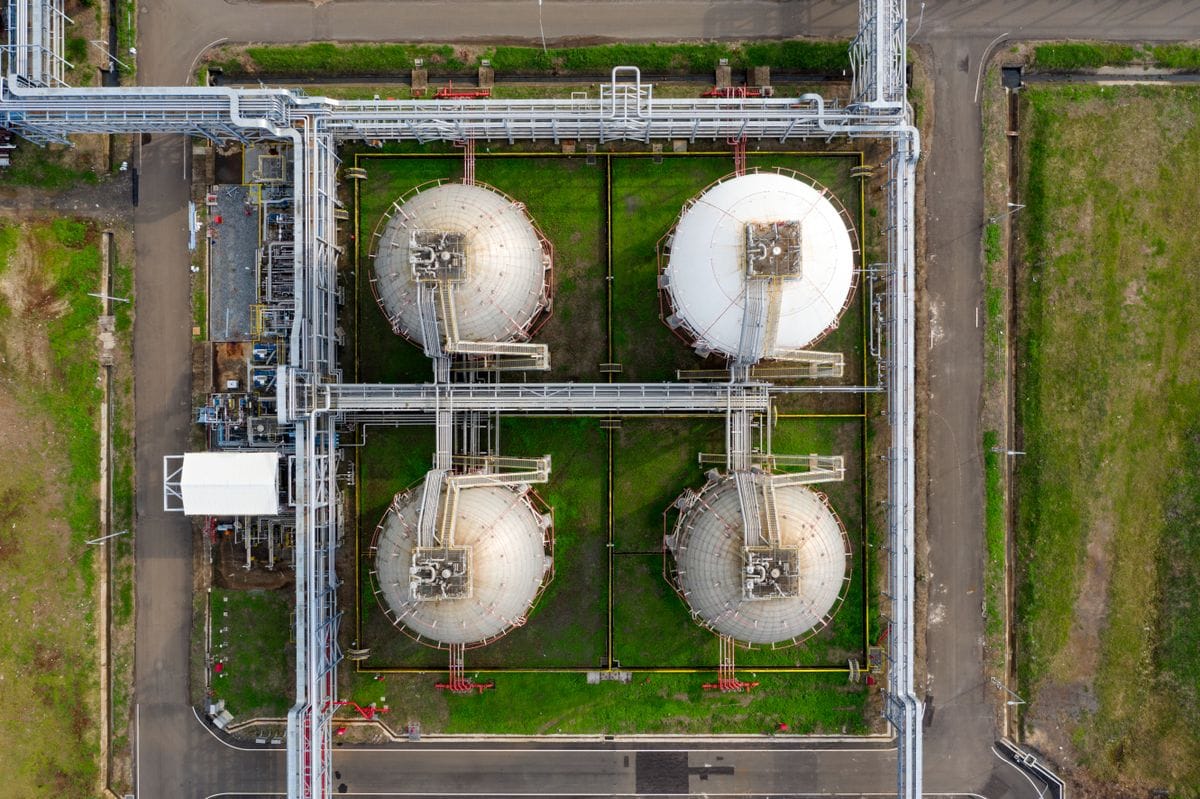
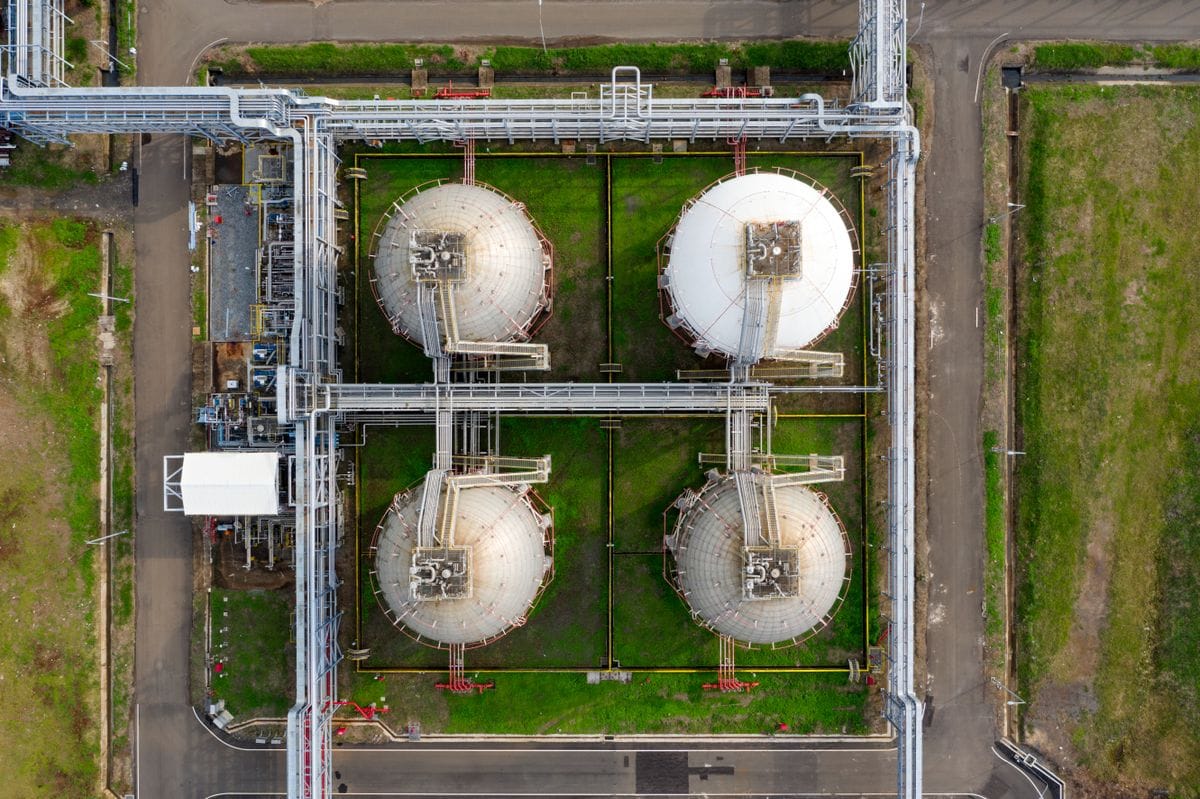
Japan and South Korea have moved from feasibility studies to signed offtake agreements in their push to secure green hydrogen and its derivative, green ammonia, from overseas producers. Over the past eighteen months, Japanese trading houses and utilities have locked in supply contracts with projects in Australia, the Middle East and Southeast Asia, formalising import corridors that were largely theoretical as recently as 2023.
The urgency stems from a domestic constraint neither country can engineer around: limited land and renewable generation capacity at home. Producing green hydrogen requires large volumes of renewable electricity to run electrolysers, and Japan's dense geography and South Korea's mountainous terrain cap how much wind and solar either can build domestically. Importing hydrogen — or ammonia, which is easier to ship and store — lets both countries decarbonise heavy industry and power generation without matching that renewable buildout onshore.
Australia and the Gulf states lead on supply
Australia's Pilbara region has become the anchor point for several of the largest announced projects, drawing on some of the highest solar irradiance and wind resource in the world alongside deepwater ports already built for iron ore export. Fortescue's green hydrogen and ammonia projects in Western Australia have signed non-binding and, in select cases, binding offtake agreements with Japanese and Korean buyers, with first commercial-scale shipments targeted for the back half of this decade. Woodside and BP-backed ventures in the same region are pursuing parallel timelines.
Saudi Arabia's NEOM green hydrogen project, backed by ACWA Power and Air Products, has separately secured long-term ammonia offtake commitments from Japanese trading house Marubeni, with first deliveries expected once the plant reaches full production. The United Arab Emirates has pursued a similar strategy through Masdar, positioning Gulf producers as a shorter-shipping-distance alternative to Australian supply for buyers in Northeast Asia.
Offtake structures lock in price and volume for decades
The deals share a common structure: long-term offtake agreements, typically running 10 to 20 years, that guarantee a buyer a fixed or indexed volume of hydrogen or ammonia at an agreed price band. JERA, Japan's largest power generator, has pursued ammonia co-firing trials at its coal plants specifically to create domestic demand that justifies these long-term import contracts — without a guaranteed buyer at scale, few producers can secure the financing needed to build electrolyser capacity in the gigawatt range.
- Japan: JERA, Mitsubishi Corporation and Marubeni have signed offtake agreements spanning Australian, Gulf and Southeast Asian supply
- South Korea: POSCO and Korea Southern Power have pursued similar deals, with a particular focus on Australian and Omani projects
- Singapore has positioned itself as a transshipment and bunkering hub rather than a primary demand centre, and several projects there are structured around ammonia-fuelled shipping rather than domestic power generation
Cost remains the gap between ambition and delivery
Green hydrogen production costs have not fallen as quickly as early industry projections suggested. The International Energy Agency's most recent hydrogen review put green hydrogen production costs in leading regions at roughly $3 to $6 per kilogram, well above the $1 to $2 per kilogram needed to compete directly with grey hydrogen made from unabated natural gas. That gap has pushed several buyers toward ammonia co-firing and blending strategies rather than pure hydrogen substitution, since ammonia can be transported and stored using adapted versions of existing fertiliser and shipping infrastructure rather than the specialised cryogenic systems liquid hydrogen requires.
Government subsidy has become the deciding factor in which projects reach final investment decision. Australia's Hydrogen Headstart programme and Japan's own contract-for-difference-style subsidy scheme, administered through the Green Innovation Fund, are both designed to close the price gap between announced offtake prices and actual production cost. Without that support, several of the larger Pilbara projects would struggle to reach the price points buyers have effectively locked in through their offtake agreements.
Southeast Asia enters as both supplier and buyer
Vietnam and Indonesia have positioned themselves as potential exporters given their renewable resource base, though neither has reached the contracting stage seen in Australia. Vietnam's draft national hydrogen strategy targets export capacity by the early 2030s, built around offshore wind resources off its southern coast, but permitting and grid-connection delays have slowed several proposed projects. Indonesia, meanwhile, is weighing hydrogen production against its existing strategy of exporting nickel and battery materials for electric vehicles, and has not yet committed the same policy priority to hydrogen that Australia and the Gulf states have.
Thailand and Malaysia have instead focused on becoming hydrogen and ammonia importers for their own industrial and power sectors, following the Japanese model rather than the Australian one. PTT, Thailand's state energy company, has signed a memorandum of understanding to study ammonia co-firing at existing gas plants, a step that mirrors JERA's approach but remains several years behind it in commercial maturity.
What the offtake wave signals for 2026 and beyond
The concentration of binding and near-binding agreements around a small number of Australian and Gulf projects suggests the early phase of Asia's green hydrogen import market will be narrower than the dozens of announced projects worldwide might imply. Analysts tracking the sector expect a shakeout among smaller proposed projects that have not secured offtake commitments, while the handful with signed Japanese or Korean buyers move toward final investment decisions through 2026 and 2027.
Shipping and port infrastructure remains the least resolved part of the corridor. Ammonia-fuelled and ammonia-carrying vessel capacity is still limited, and several of the announced import terminals in Japan and South Korea are not yet under construction. The offtake agreements have effectively pre-sold supply years before the receiving infrastructure exists to accept it — a sequencing gap that will determine how much of the announced volume actually reaches Northeast Asian ports on the timelines both sides have signed up to.