Asia's Textile Recycling Drive Speeds Up as EU Rules Near
Vietnam, Bangladesh and Cambodia are building chemical textile-recycling capacity as EU Extended Producer Responsibility deadlines reshape apparel export markets.
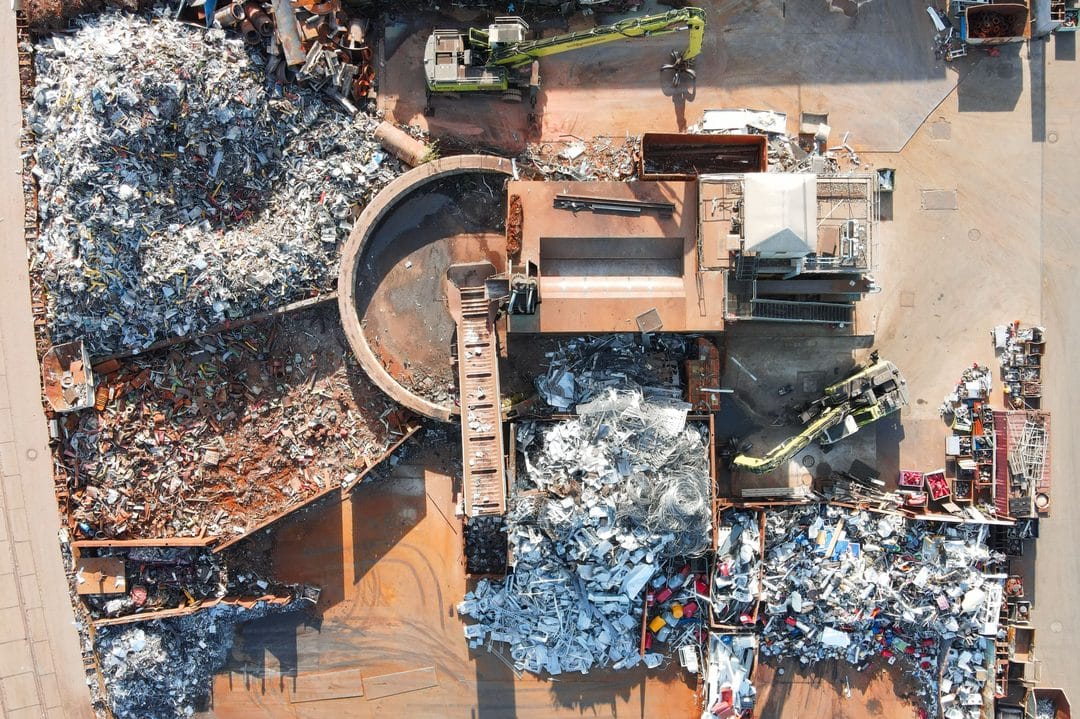
Textile recycling plants across South and Southeast Asia are shifting from mechanical shredding toward chemical fibre-to-fibre processing, as garment exporters in Bangladesh, Vietnam and Cambodia face the European Union's incoming Extended Producer Responsibility rules for textiles. Global apparel production generates more than 92 million tonnes of textile waste a year, according to the Ellen MacArthur Foundation's circular-economy tracking. Currently, most of that waste is landfilled or incinerated at South and Southeast Asian processing hubs rather than recycled back into new fibre.
Vietnam's Ministry of Industry and Trade confirmed in June that three polyester depolymerisation facilities are under construction in the Dong Nai and Binh Duong industrial zones. Combined, the plants are designed to process roughly 45,000 tonnes of post-consumer polyester a year once they come online in 2027. Bangladesh's garment sector, which supplies H&M, Inditex and Uniqlo among others, has separately joined a regional cotton-recycling pilot backed by the Circular Fashion Partnership.
The push follows years of criticism that "recyclable" clothing labels rarely translated into actual recycling. In practice, mixed-fibre blends — polycotton in particular — could not be separated at scale using older mechanical methods. Chemical recycling breaks polyester down to its monomer building blocks and sidesteps that limitation, though it still runs 20–30% more expensive per tonne than landfill disposal in most Asian markets.
Indonesia's national standards body, separately, is drafting mandatory fibre-content labelling rules expected to take effect in 2026, a move textile importers say will make blend separation easier upstream. Already in force since 2022, the European Commission's Textile Strategy requires EU member states to set up separate textile waste collection by 2025 — a deadline that has redirected large volumes of used clothing toward Asian sorting and processing hubs instead of direct resale markets.
Not every producer is convinced the economics work yet. Several mid-sized Cambodian factories told trade publication Just Style in May that the capital cost of on-site depolymerisation units remains out of reach without government co-financing. Most, they said, will keep exporting textile waste to processors in India and Malaysia rather than build their own capacity.
Industry groups including the Bangladesh Garment Manufacturers and Exporters Association estimate the sector needs roughly $2 billion in regional recycling infrastructure investment by 2030 to keep pace with EU export requirements. Separately, trading houses in Japan and the Gulf are reportedly in early talks to help fund processing capacity in northern Vietnam, according to two people familiar with the discussions cited by regional business press.