mangrove restoration Asia's Coastal Cities Turn to Mangroves as a Cheaper Alternative to Seawalls Coastal cities from the Mekong Delta to the Philippines are expanding mangrove replanting as a cheaper, nature-based alternative to concrete seawalls.
sustainability Asia's Textile Recycling Drive Speeds Up as EU Rules Near Vietnam, Bangladesh and Cambodia are building chemical textile-recycling capacity as EU Extended Producer Responsibility deadlines reshape apparel export markets.
Green Hydrogen Asia's Green Hydrogen Export Corridors Take Shape as Japan and Korea Lock In Offtake Deals Japanese and Korean buyers have signed long-term offtake agreements with Australian and Gulf hydrogen producers, formalising import corridors that were largely theoretical just two years ago.
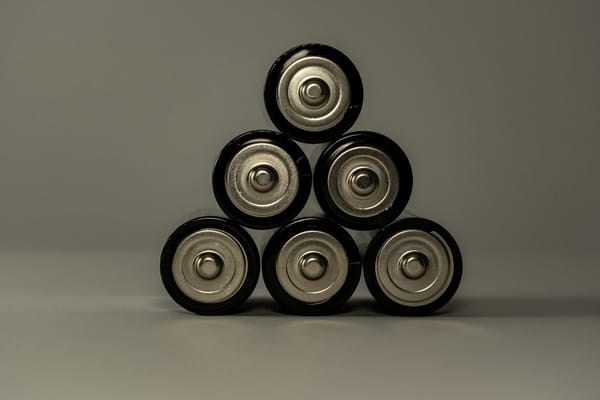
EV batteries Asia's First EV Battery Recycling Plants Come Online as Early Fleets Reach Retirement Age New large-scale battery recycling plants in China, South Korea and Indonesia begin operation as the region's earliest electric vehicles reach retirement, with collection remaining the main hurdle.
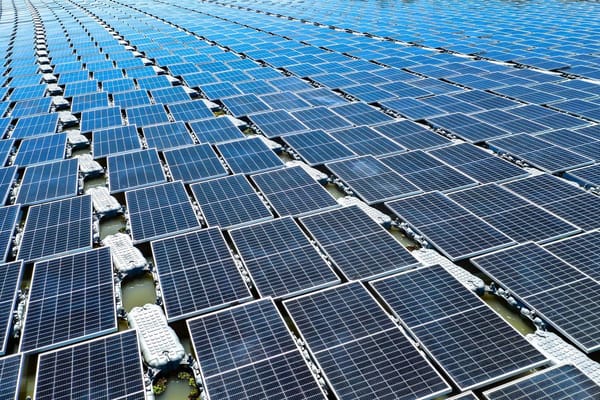
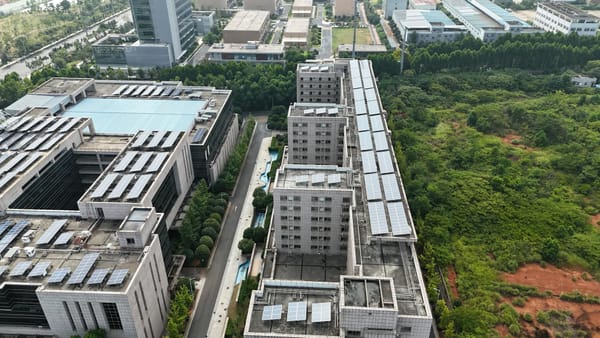
renewable energy Floating Solar Spreads Across Asia's Reservoirs as Land Pressure Reshapes Renewable Siting As flat land grows scarce and costly, Asian economies are floating solar arrays on reservoirs and hydropower lakes, reshaping where renewable energy gets built.
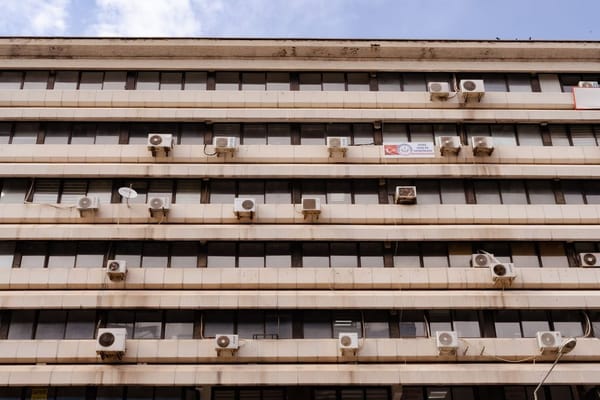
ASEAN ASEAN Moves to Harmonise Air-Conditioner Efficiency Rules as Cooling Demand Climbs Southeast Asian energy regulators are working toward aligned minimum efficiency standards for room air conditioners, a step aimed at curbing the region's fastest-growing source of electricity demand.
sustainability Southeast Asia Reactivates Cross-Border Haze Monitoring as Dry Season Fire Risk Rises Indonesia, Malaysia and Singapore have reactivated joint haze-monitoring channels and peatland fire-prevention measures ahead of a forecast dry stretch over Sumatra and Borneo.
Asia Indonesia Crosses 2.7 GW of Geothermal Capacity as June Auction Adds 12 New Fields Indonesia pushed installed geothermal capacity past 2.7 GW and opened a 12-field tender, sharpening Asia's effort to replace coal baseload with firm renewable heat.
sustainability Why battery storage, not solar panels, is now Asia's renewable bottleneck Asia has installed solar at a staggering pace. The harder problem now is what to do with that power when the sun isn't shining — and storage is where the race has moved.
sustainability Asia sustainability week 24 May 2026: Japan carbon market scales, China mandates 4-hour storage, Indonesia nickel deforestation flagged Tokyo carbon market hits 4.2M tonnes weekly, China's 4-hour storage mandate for solar projects above 100 MW, Indonesian nickel satellite data flagging 18,400 hectares cleared, Singapore's $400M coal-retirement vehicle.
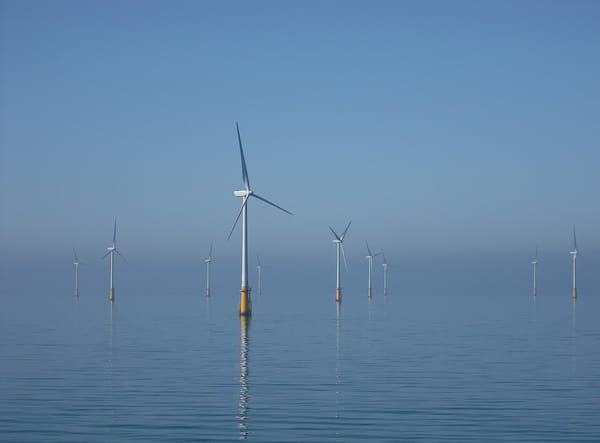
Vietnam Vietnam Reaches Final Investment Decision on First Commercial Offshore Wind Project A 600 MW offshore wind farm reaches FID with a USD 2.7 billion budget and a 25-year PPA at USD 0.084/kWh.
Food Waste Food Waste Reduction Program Saves 2 Million Tons Across Japan Japan's food waste program saves 2 million tons in 2025, cutting annual waste to 5.2 million tons through retailer mandates and consumer apps.