Why battery storage, not solar panels, is now Asia's renewable bottleneck
Asia has installed solar at a staggering pace. The harder problem now is what to do with that power when the sun isn't shining — and storage is where the race has moved.
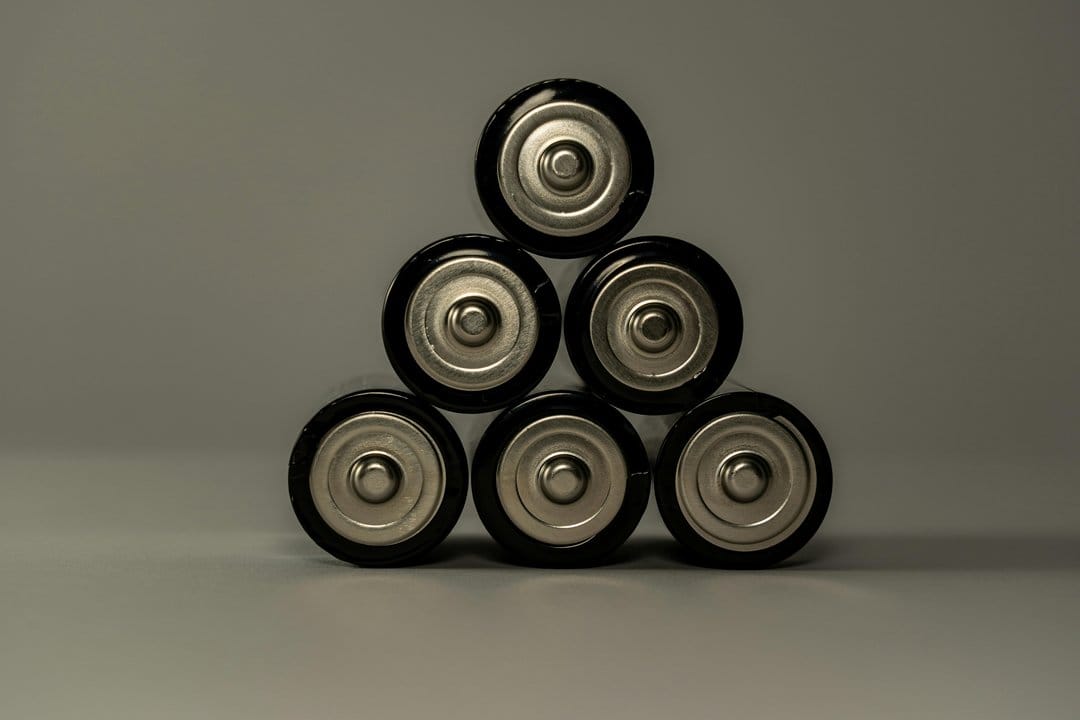
For a decade, the story of clean energy in Asia was a story about solar panels — how fast they could be built, how cheap they had become, how much capacity was being added each year. That story is largely won: across much of the region, solar is now the cheapest source of new electricity, and panels go up at a pace that would have seemed fantastical not long ago. But abundance has revealed a new and harder problem. The sun does not shine at night, and it does not shine on demand. The bottleneck has moved from generating clean power to storing it.
The duck curve problem
The issue has a memorable name among grid engineers: the "duck curve." On a sunny day, solar floods the grid in the middle of the day, pushing the net demand on conventional power plants down to a belly-shaped low. Then, as the sun sets and people come home, switch on lights, cook and charge devices, demand spikes sharply just as solar output collapses. Plotted over a day, the shape resembles a duck.
This creates two expensive headaches. In the middle of the day there can be too much solar power — sometimes so much that grids are forced to curtail it, switching panels off and wasting clean electricity. Then in the evening, the grid must ramp up other sources fast to cover the steep climb. The cheap solar is there; it is simply in the wrong place on the clock. Storage is what shifts midday surplus into the evening peak.
Why storage became the constraint
As solar's share of the grid grows, the value of an extra panel falls — you are adding more power at exactly the time there is already plenty — while the value of storage rises, because the system desperately needs to move energy across hours. Past a certain point, building more generation without storage simply produces more curtailment. That tipping point has now arrived in several Asian markets, which is why attention, investment and policy have all swung towards batteries and other forms of storage.
Recognising this, some governments in the region have begun requiring new solar and wind projects to pair with a minimum amount of storage, so that new capacity arrives able to firm its own output rather than dumping it onto an already-saturated midday grid. These storage mandates are a direct admission that generation alone is no longer the binding problem.
It is not only lithium batteries
When people hear "storage" they think of large lithium-ion battery installations, and those are indeed being built at scale — they are fast to deploy and well suited to shifting a few hours of energy from afternoon to evening. But the toolkit is broader:
- Pumped hydro — using surplus power to pump water uphill, then releasing it to generate later — remains the largest form of storage by volume and suits longer durations.
- Longer-duration technologies are being trialled for the harder task of storing energy across many hours or days, not just the evening peak.
- Demand flexibility — shifting when electric vehicles charge or when industrial processes run — effectively acts as storage by moving consumption to when clean power is plentiful.
What it means for the region's transition
The shift in focus matters because it changes how progress should be measured. Headline solar capacity figures, impressive as they are, no longer tell the whole story. The more meaningful questions now are how much storage is being added alongside, how much clean power is being curtailed for lack of it, and how flexible the grid is becoming.
The encouraging part is that battery costs have followed the same steep downward curve solar did, making storage steadily more affordable just as it is most needed. The harder part is that grids, markets and regulations were built for a world of dispatchable power plants, not weather-dependent generation plus storage, and rewiring those systems takes time.
Asia's renewable build-out is far from over — but its centre of gravity has shifted. The decisive contest of the next phase is not who can install the most panels. It is who can store, shift and smooth that power most effectively. Storage, quietly, has become the thing that determines how much of all that cheap sunshine actually gets used.