India's Green Ammonia Export Hub Takes Shape in Gujarat
A $4.5 billion green ammonia plant begins construction in Gujarat, targeting 1.2 million tons of annual production for shipping fuel and fertilizer markets.
A news website covering the environment, climate, and sustainable development in East Asia. The region is both one of the largest sources of pollution and a leader in green energy investment—a contradiction that provides an inexhaustible news agenda. The site covers policy, corporate initiatives, climate data, and environmental projects.
A $4.5 billion green ammonia plant begins construction in Gujarat, targeting 1.2 million tons of annual production for shipping fuel and fertilizer markets.
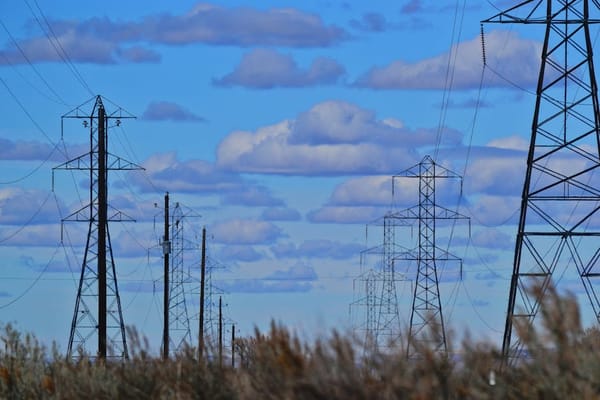
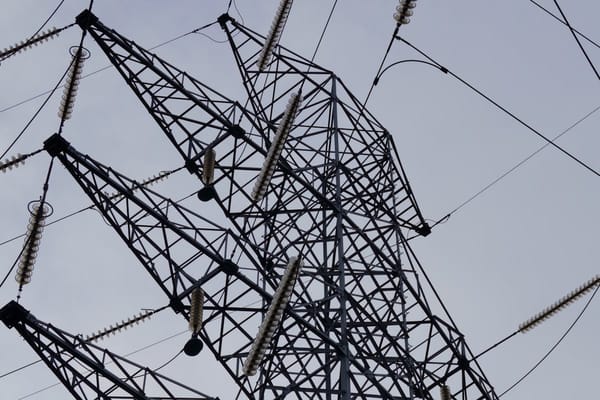
China energizes a 3,300-km UHVDC line transmitting 12 GW of renewable power from Xinjiang to Hunan, displacing 40 million tons of coal annually.
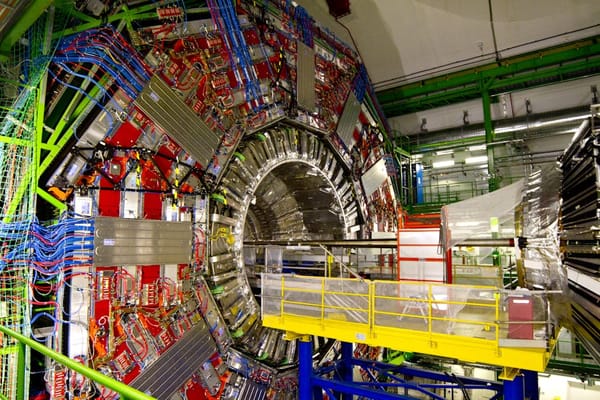
China's EAST tokamak sustains plasma at 70 million degrees for 1,066 seconds, nearly doubling its previous record and advancing fusion energy research.
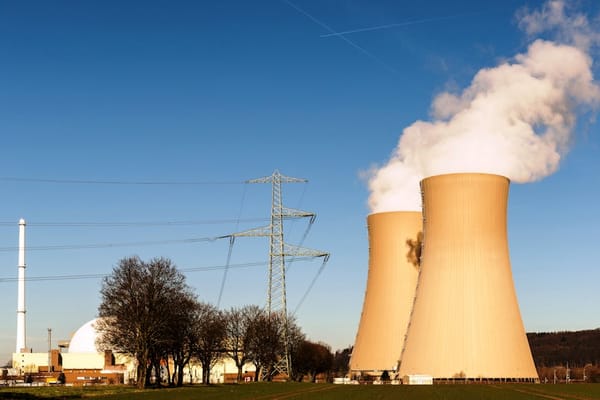
Mitsubishi Heavy Industries begins testing a 300 MW small modular reactor with passive safety systems at Japan's Oarai Research Center.
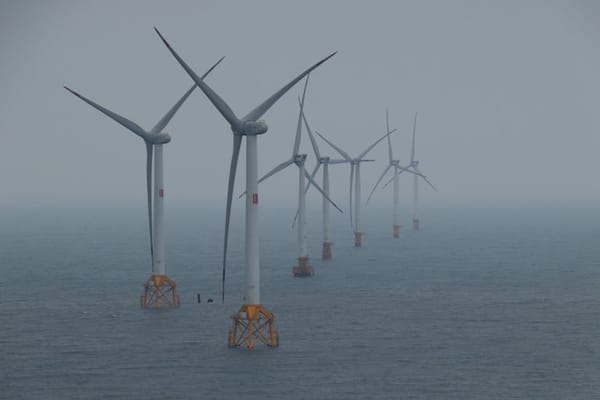
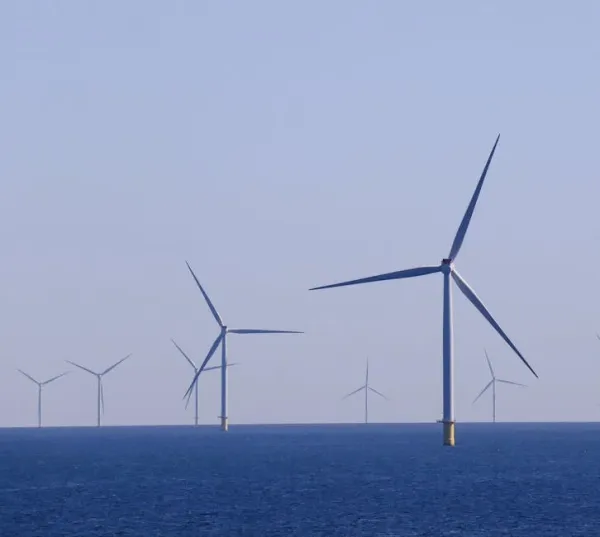
Vietnam awards 6 GW of offshore wind capacity to international developers at $0.072/kWh in its first competitive auction.
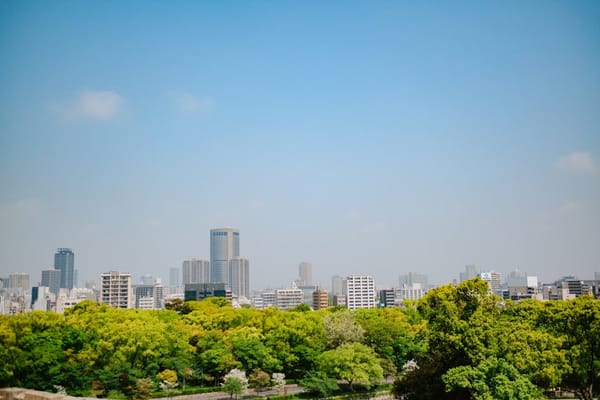
Beijing records its cleanest air in 15 years with PM2.5 at 28 µg/m³, a 62% improvement from 2015 driven by coal phaseout and vehicle electrification.
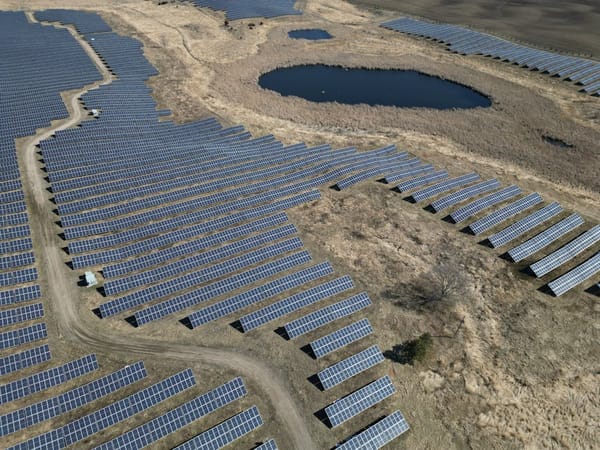
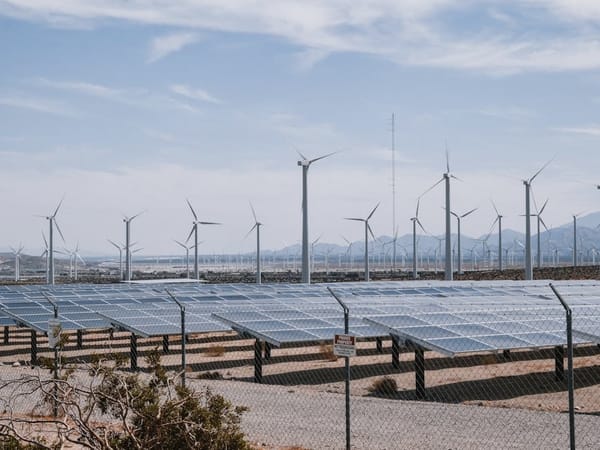
China installs 200 GW of solar in 10 months, exceeding its own 2024 annual record and pushing total capacity past 900 GW.
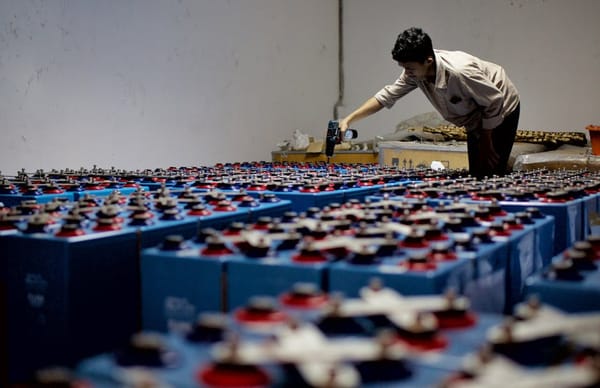
CATL opens a $2.8 billion, 50 GWh battery factory in Thailand, supplying batteries for 700,000 EVs and boosting Southeast Asia's EV ecosystem.
A $5.4 billion green hydrogen hub begins construction in Australia's Pilbara region, targeting 1.75 million tons of annual production for Asian markets.
Japan restarts Takahama reactors 3 and 4 after $1.8 billion in safety upgrades, bringing the active nuclear fleet to 14 units.
The Philippines awards 57 offshore wind contracts totaling 15 GW capacity, establishing itself as a leading Southeast Asian wind energy market.
South Korea commits $6 billion to green hydrogen production, targeting 300,000 tons annually and 1.2 GW of electrolyzer capacity by 2030.