Philippines Targets 15 GW Offshore Wind Capacity by 2035
The Philippines awards 57 offshore wind contracts totaling 15 GW capacity, establishing itself as a leading Southeast Asian wind energy market.
Philippines Targets 15 GW Offshore Wind Capacity by 2035
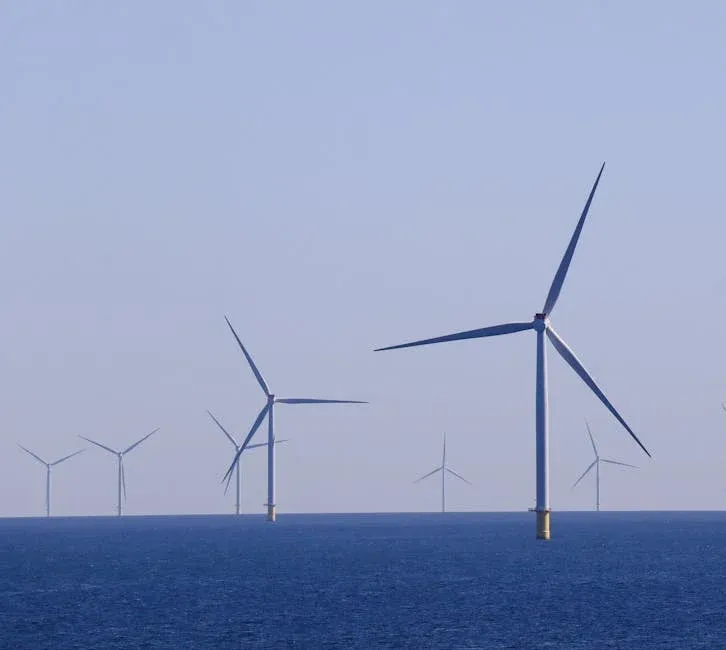
The Philippine Department of Energy announced on October 31, 2025 that it has awarded offshore wind service contracts totaling 15 GW of potential capacity across 57 project areas. The contracts cover waters off Luzon, the Visayas, and northern Mindanao, with first commercial operations expected by 2028.
The announcement makes the Philippines one of the most ambitious offshore wind markets in Southeast Asia.
Project Pipeline
Major developers including Copenhagen Infrastructure Partners, Mainstream Renewable Power, and local firm Aboitiz Power have secured the largest blocks. The Aparri wind zone off northern Luzon, with estimated capacity of 2.4 GW, represents the flagship project.
Average wind speeds at hub height in the target areas range from 7.5 to 9.2 meters per second, comparable to productive sites in the North Sea and Taiwan Strait.
Grid and Infrastructure Requirements
The National Grid Corporation of the Philippines estimates that $4.8 billion in grid upgrades will be needed to absorb 15 GW of offshore wind. This includes submarine cable connections, onshore substations, and reinforcement of the Luzon-Visayas interconnection.
"The Philippines has excellent wind resources but needs massive grid investment to unlock them," said Mark Hutchinson, CEO of the Global Wind Energy Council. "International development banks are critical to bridging the financing gap."
Supply Chain Development
The government mandates a minimum 40% local content requirement for offshore wind projects, driving investment in port facilities and component manufacturing. Batangas port is undergoing a $200 million expansion to serve as a turbine assembly and marshaling hub.
The Philippines has signed cooperation agreements with Denmark and Taiwan to transfer offshore wind technology and workforce training programs.
Climate Resilience Factor
As one of the countries most vulnerable to typhoons, the Philippines requires turbine designs rated for extreme wind conditions. Developers are deploying typhoon-class turbines rated for sustained winds above 250 km/h, adding approximately 10% to project costs.
The offshore wind program forms part of the Philippines' updated Nationally Determined Contribution, which targets a 75% reduction in greenhouse gas emissions from the power sector by 2040.