ASEAN Revives Cross-Border Power Trade as Singapore Pushes Low-Carbon Electricity Imports
Southeast Asian ministers move to widen cross-border electricity trade, but cables, financing and transit tariffs still stand between rhetoric and regional grid integration.
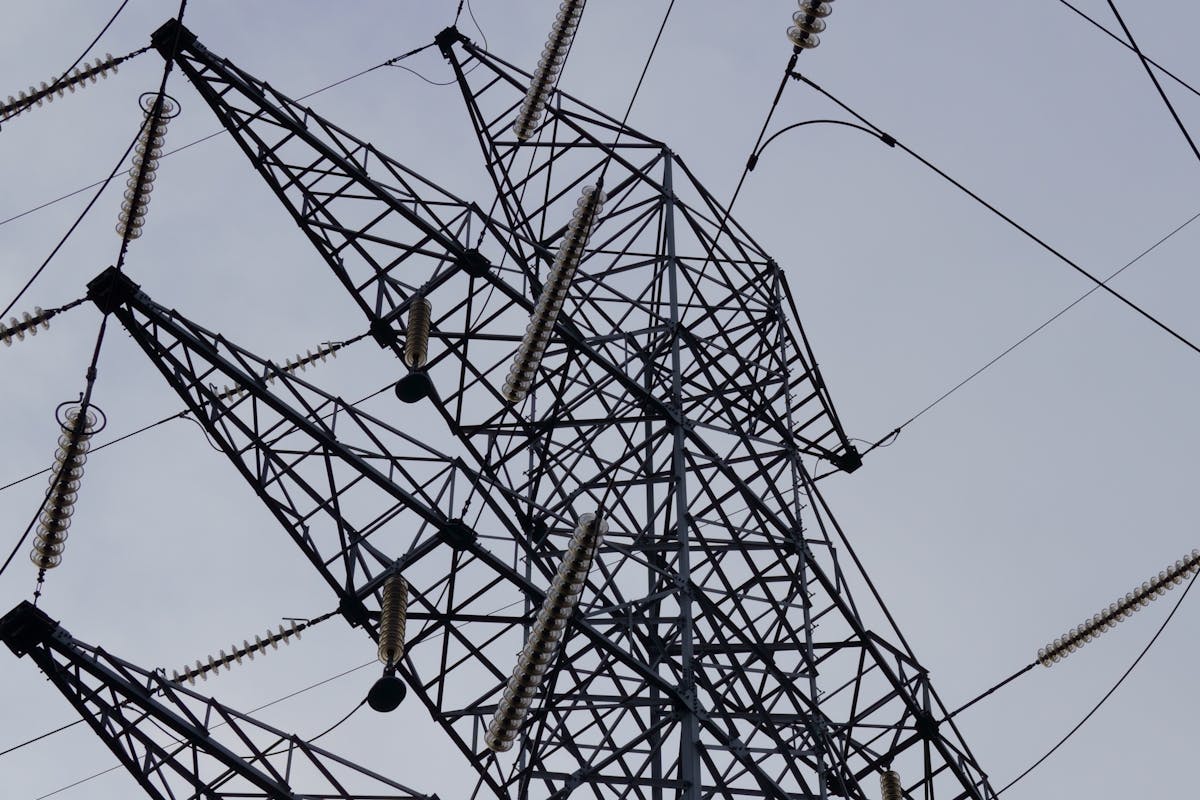
Southeast Asia's plan to move clean electricity across national borders moved closer to commercial reality this month, as energy ministers from the ASEAN bloc reaffirmed support for expanding the cross-border power trade that already links Laos, Thailand, Malaysia and Singapore. The discussions, held ahead of the ASEAN Ministers on Energy Meeting scheduled for later in 2026, centred on turning a patchwork of bilateral deals into a wider regional market.
The existing Lao PDR-Thailand-Malaysia-Singapore Power Integration Project remains the reference case. It allows up to 100 megawatts of mostly hydropower to flow from Laos to Singapore through Thai and Malaysian grids, and officials have repeatedly described it as a template rather than an endpoint. Negotiations on raising that ceiling and adding new corridors have continued through the first half of the year.
Why interconnection matters for the region's emissions
The case for moving electricity across borders rests on a mismatch between where renewable resources sit and where demand concentrates. Laos has substantial hydropower. Vietnam and the Philippines have strong wind and solar potential. Singapore, by contrast, is land-constrained and imports almost all of its energy, which is why it has set a target to bring in low-carbon electricity equal to a significant share of its supply by 2035.
According to the International Energy Agency, regional grid integration is among the lower-cost routes to cutting power-sector emissions in Asia, because it lets countries share surplus renewable generation instead of each building expensive standby capacity. The Asian Development Bank has backed feasibility work on several of the proposed links, and has framed interconnection as a way to reduce the curtailment that strands solar and wind output when local grids cannot absorb it.
The technical and financing obstacles
Progress is constrained less by political will than by hardware and money. Subsea cables linking, for example, Indonesia's renewable-rich islands to Singapore require multi-billion-dollar investment and years of permitting. High-voltage direct-current transmission, the standard for long-distance links, demands converter stations and grid upgrades on both ends. Several proposed imports into Singapore from Indonesia and Vietnam are still working through conditional approvals rather than firm contracts.
Tariff design is the quieter problem. Wheeling charges — the fees a transit country levies for letting power pass through its grid — have no agreed regional formula, and disputes over them have slowed past negotiations. Ministers acknowledged that a common market needs harmonised rules on grid access, settlement and dispute resolution before private capital will commit at scale.
What to watch through the second half of 2026
Several near-term signals will indicate whether the rhetoric translates into capacity. The first is whether the Laos-to-Singapore arrangement is renewed and enlarged beyond its current limit. The second is the status of conditional import approvals that Singapore's Energy Market Authority has granted to projects sourcing solar power from Indonesia, including large planned developments in the Riau Islands.
A third marker is multilateral financing. Where the Asian Development Bank or the World Bank commits to a specific interconnector, the project tends to clear permitting faster, because lenders require the regulatory frameworks that private developers struggle to secure alone. Separately, analysts will be watching whether the broader ASEAN Power Grid initiative produces a binding roadmap at the energy ministers' meeting, or another statement of intent.
The slower track is domestic. Cross-border trade only delivers emissions cuts if the exported electricity is genuinely low-carbon and if importing countries do not simply use it to defer their own renewable build-out. Grid integration is a tool, and the ministers' communiqué stopped short of the binding commitments that would turn the regional market from an aspiration into infrastructure.