Australia's Green Hydrogen Export Terminal Breaks Ground in Pilbara
A $5.4 billion green hydrogen hub begins construction in Australia's Pilbara region, targeting 1.75 million tons of annual production for Asian markets.
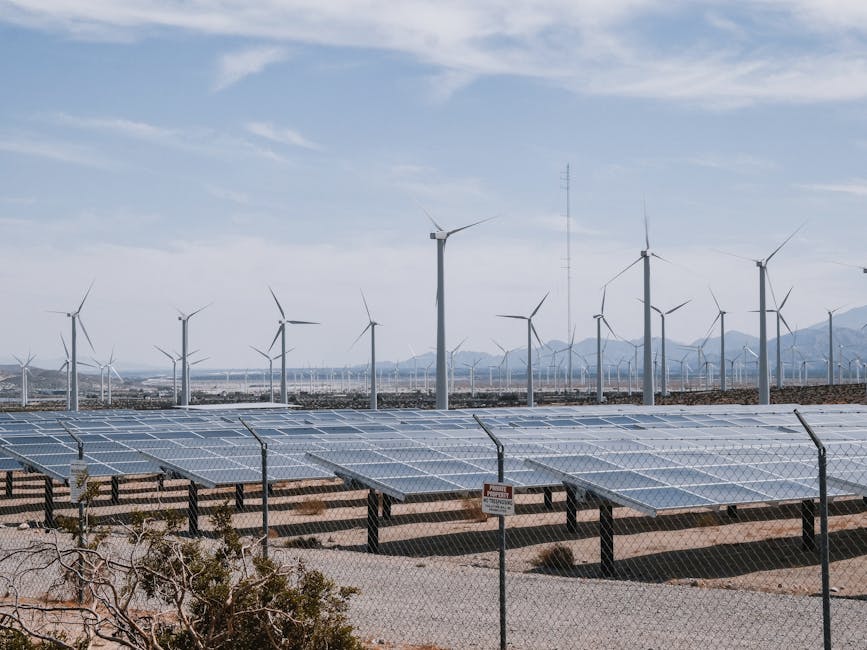
Australia's Green Hydrogen Export Terminal Breaks Ground in Pilbara
Construction began on November 9, 2025 on a $5.4 billion green hydrogen production and export facility in the Pilbara region of Western Australia. The Asian Renewable Energy Hub, backed by BP, InterContinental Energy, and CWP Global, aims to produce 1.75 million tons of green hydrogen annually by 2030.
Western Australian Premier Roger Cook called it "the most significant clean energy investment in Australian history."
Project Scale
The hub will combine 26 GW of solar and wind generation capacity across 6,500 square kilometers of leased land. Power will feed a 14 GW electrolyzer complex that splits water into hydrogen and oxygen using proton exchange membrane technology.
A 3.5-kilometer jetty and cryogenic liquefaction plant will enable hydrogen exports via specialized tankers. Ammonia conversion facilities will provide an alternative carrier for markets preferring ammonia-based delivery.
Export Markets
Japan and South Korea have signed preliminary offtake agreements for approximately 60% of initial production. Both nations view Australian hydrogen as essential to their decarbonization strategies, given limited domestic renewable resources relative to their industrial scale.
"Australia has the renewable resources, the land, and the export infrastructure expertise from decades of LNG shipments," said Andrew Forrest, chairman of Fortescue Future Industries, a rival hydrogen developer. "The Pilbara is destined to become a global hydrogen hub."
Employment and Community
The project will create an estimated 20,000 construction jobs over the five-year build period and 3,000 permanent operational positions. Agreements with the Nyangumarta and Kariyarra traditional owners include royalty payments, employment guarantees, and co-management of environmental monitoring.
The Pilbara region, traditionally dependent on iron ore mining, views hydrogen as a pathway to economic diversification as global steel demand shifts.
Cost and Competition
Delivered hydrogen costs are projected at $3.80 per kilogram to Asian ports, competitive with gray hydrogen from natural gas at current carbon prices. Australia faces competition from Middle Eastern producers, particularly Oman's planned Hyport Duqm project and Saudi Arabia's NEOM green hydrogen facility.
The Australian government has committed $2 billion in concessional loans through the Clean Energy Finance Corporation to support the project's financial close, expected in mid-2026.