Japan Trials Small Modular Reactor Design at Oarai Research Center
Mitsubishi Heavy Industries begins testing a 300 MW small modular reactor with passive safety systems at Japan's Oarai Research Center.
Japan Trials Small Modular Reactor Design at Oarai Research Center
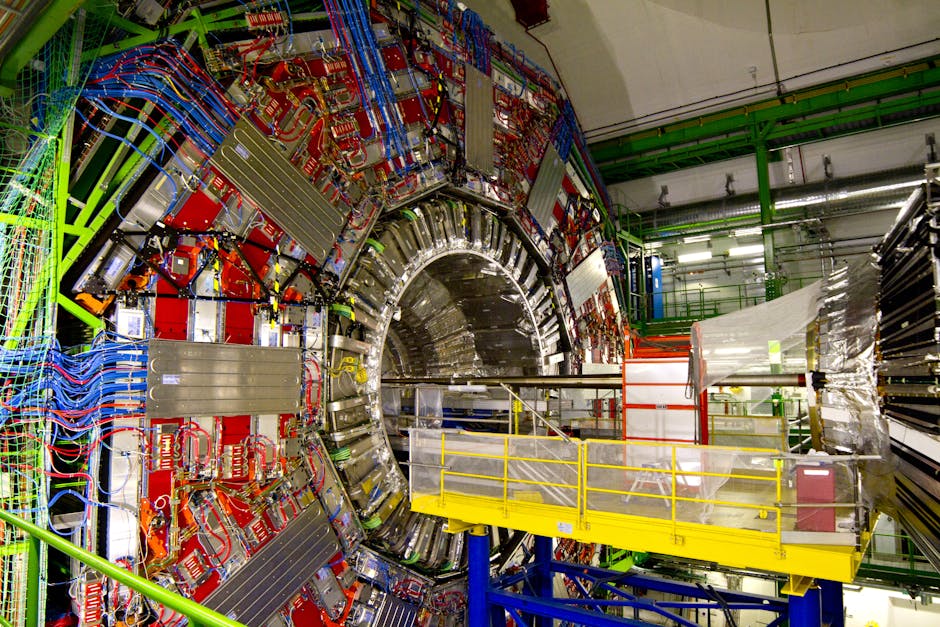
Mitsubishi Heavy Industries began prototype testing of its 300 MW small modular reactor (SMR) design at the Japan Atomic Energy Agency's Oarai Research Center in Ibaraki Prefecture on December 24, 2025. The test phase, expected to last 18 months, will validate the passive safety systems that allow the reactor to shut down without operator intervention or external power.
Japan's Ministry of Economy, Trade, and Industry has designated SMR development as a priority technology under the GX (Green Transformation) strategy.
Design Features
The MHI design uses an integral pressurized water reactor configuration, with all primary components housed in a single vessel. Natural circulation cooling eliminates the need for primary coolant pumps, a major vulnerability exposed during the Fukushima accident. The reactor can operate for 24 months between refueling cycles.
Each unit produces 300 MW of thermal energy, convertible to 100 MW of electricity or a combination of electricity and industrial process heat. Modules are factory-fabricated and transported by truck, targeting construction timelines of 36 months compared to 8-10 years for conventional large reactors.
Safety Testing Protocol
The Oarai tests will simulate loss-of-coolant accidents, station blackouts, and seismic events using a quarter-scale thermal hydraulic test loop. Data from these tests will inform the design certification application to the Nuclear Regulation Authority, expected to be filed in late 2027.
"Passive safety fundamentally changes the risk profile of nuclear power," said Dr. Takuya Hattori, president of the Japan Atomic Industrial Forum. "These reactors are designed so that physics, not human operators, prevents meltdowns."
Market Applications
MHI targets three market segments: replacement of retiring coal plants in Japan, export to Southeast Asian nations considering nuclear programs, and industrial heat supply for hydrogen production and chemical manufacturing.
Indonesia, the Philippines, and Vietnam have expressed interest in SMR technology as a low-carbon power source that avoids the scale and complexity of conventional nuclear plants.
Competition and Timeline
Japan's SMR program competes with US-based NuScale Power, which received design certification from the US Nuclear Regulatory Commission in 2023, and South Korea's SMART reactor, undergoing licensing in Saudi Arabia. MHI aims for first commercial deployment in Japan by 2035.
The government has allocated $1.5 billion in SMR research and development funding through 2030, with an additional $800 million available for demonstration plant construction.