Thailand Launches Southeast Asia's Largest EV Battery Factory
CATL opens a $2.8 billion, 50 GWh battery factory in Thailand, supplying batteries for 700,000 EVs and boosting Southeast Asia's EV ecosystem.
Thailand Launches Southeast Asia's Largest EV Battery Factory
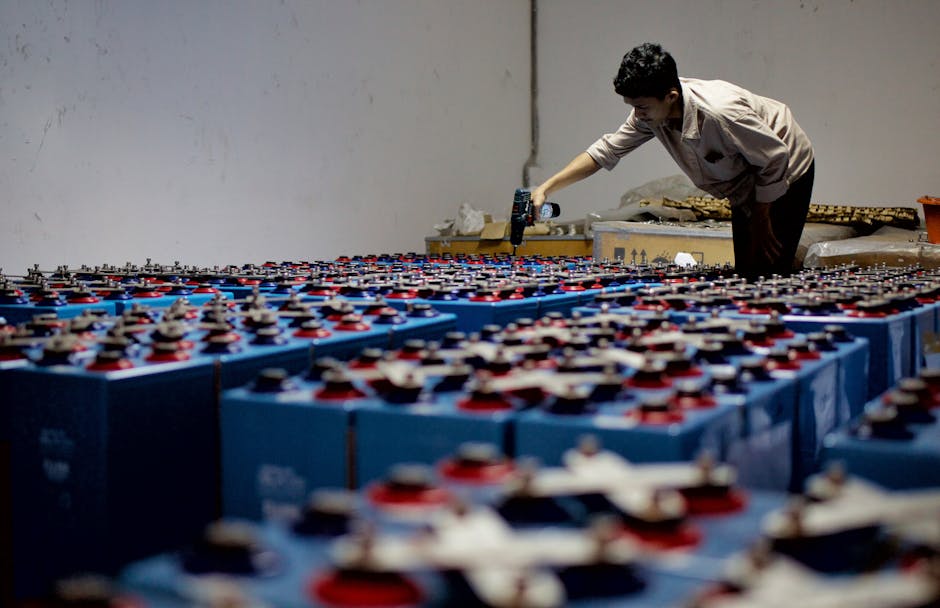
Chinese battery manufacturer CATL officially opened its first Southeast Asian production facility in Rayong, Thailand on November 12, 2025. The $2.8 billion plant has an initial capacity of 50 GWh per year, enough to supply batteries for approximately 700,000 electric vehicles annually.
Thai Prime Minister Paetongtarn Shinawatra attended the opening ceremony, calling the factory "a pillar of Thailand's ambition to become the Detroit of electric vehicles in Asia."
Production Details
The Rayong facility produces lithium iron phosphate cells and modules optimized for tropical climates, with enhanced thermal management for ambient temperatures above 40 degrees Celsius. Production lines operate at 95% automation, employing 2,200 workers in quality control, logistics, and maintenance roles.
A second phase, scheduled for completion in 2027, will add 30 GWh of capacity and introduce sodium-ion battery production for lower-cost vehicle segments.
Supply Chain Implications
Thailand already hosts assembly plants for BYD, Great Wall Motor, and Neta, which collectively plan to produce 350,000 EVs annually by 2026. Local battery production eliminates import duties and reduces logistics costs by an estimated 15%.
"Localized battery supply is the missing piece for Thailand's EV ecosystem," said Nattapong Jaikaew, president of the Federation of Thai Industries' automotive division. "This changes the cost equation for every automaker in the country."
Regional Competition
Indonesia has attracted competing battery investments from LG Energy Solution and Hyundai, leveraging its vast nickel reserves. Vietnam's VinFast has partnered with Gotion High-Tech for a 5 GWh factory in Ha Tinh province.
Thailand's advantage lies in its established automotive supply chain, strong logistics infrastructure, and free trade agreements covering 18 export markets. The Board of Investment offers eight-year tax holidays for EV battery manufacturers.
Environmental Considerations
The factory's environmental impact assessment mandates zero wastewater discharge and 40% on-site renewable energy by 2028. CATL has committed to sourcing lithium from certified responsible mining operations, though supply chain transparency across the full mineral chain remains a challenge.
Thailand's EV battery capacity is expected to reach 100 GWh by 2028, positioning the country as ASEAN's dominant battery manufacturing hub.