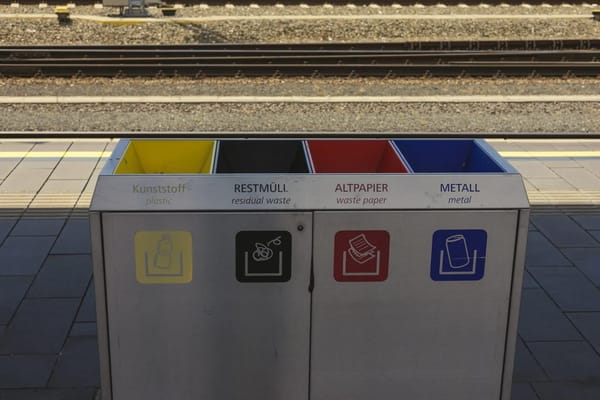
waste sorting How Asia's Cities Sort Household Waste — And Why the Rules Never Match Next Door Tokyo, Seoul, Taipei and Shanghai each built their own household waste-sorting system for their own reasons — and almost none of the rules carry over from one city to the next.
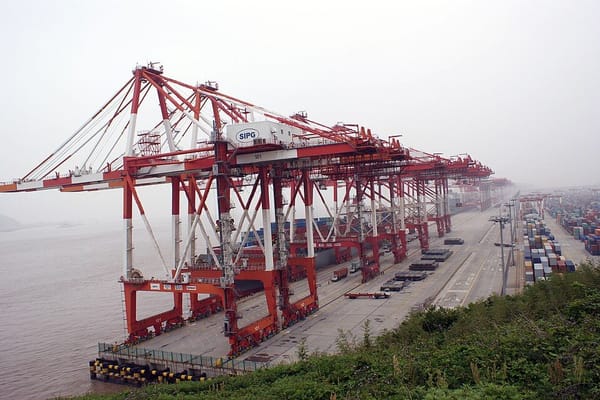
Shipping Asia's Ports Race to Install Shore Power as IMO's Net-Zero Framework Nears Enforcement China, Singapore, South Korea and Japan are fast-tracking shore power at their busiest container terminals as the IMO's global carbon-pricing framework for shipping edges toward formal adoption.
sustainability Asia's Textile Recycling Drive Speeds Up as EU Rules Near Vietnam, Bangladesh and Cambodia are building chemical textile-recycling capacity as EU Extended Producer Responsibility deadlines reshape apparel export markets.
EV batteries Asia's First EV Battery Recycling Plants Come Online as Early Fleets Reach Retirement Age New large-scale battery recycling plants in China, South Korea and Indonesia begin operation as the region's earliest electric vehicles reach retirement, with collection remaining the main hurdle.
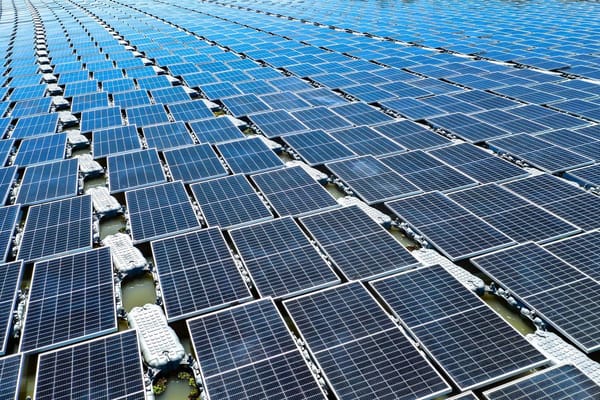
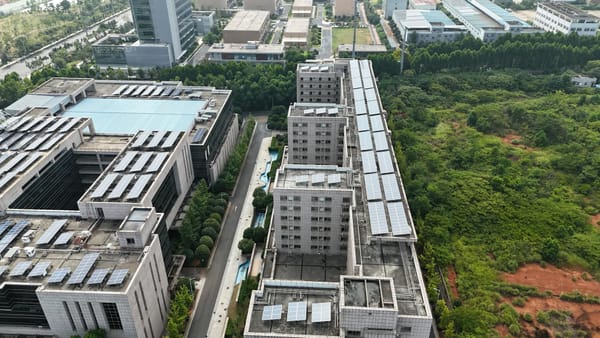
renewable energy Floating Solar Spreads Across Asia's Reservoirs as Land Pressure Reshapes Renewable Siting As flat land grows scarce and costly, Asian economies are floating solar arrays on reservoirs and hydropower lakes, reshaping where renewable energy gets built.
Asia Indonesia Crosses 2.7 GW of Geothermal Capacity as June Auction Adds 12 New Fields Indonesia pushed installed geothermal capacity past 2.7 GW and opened a 12-field tender, sharpening Asia's effort to replace coal baseload with firm renewable heat.
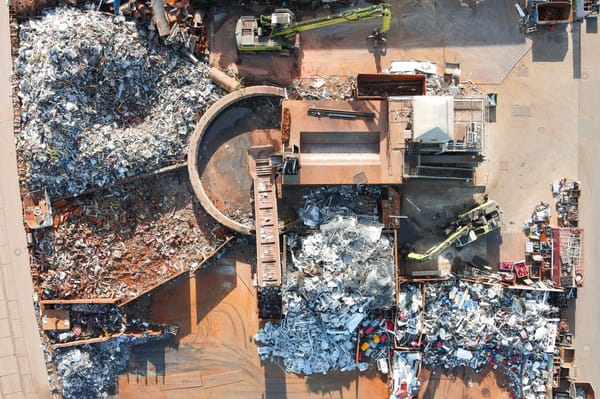
e-waste Asia's E-Waste Economy: The Urban Mine Caught Between Informal Workshops and Formal Recyclers Asia generates more electronic waste than any other region on earth, a direct consequence of being both the world's factory and one of its fastest-growing consumer markets. The United Nations' Global E-waste Monitor has tracked the trend for years, and its figures put Asia's share
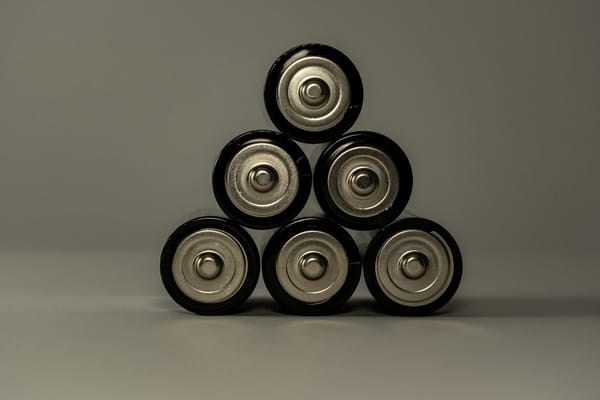
sustainability Why battery storage, not solar panels, is now Asia's renewable bottleneck Asia has installed solar at a staggering pace. The harder problem now is what to do with that power when the sun isn't shining — and storage is where the race has moved.
sustainability Asia sustainability week 24 May 2026: Japan carbon market scales, China mandates 4-hour storage, Indonesia nickel deforestation flagged Tokyo carbon market hits 4.2M tonnes weekly, China's 4-hour storage mandate for solar projects above 100 MW, Indonesian nickel satellite data flagging 18,400 hectares cleared, Singapore's $400M coal-retirement vehicle.
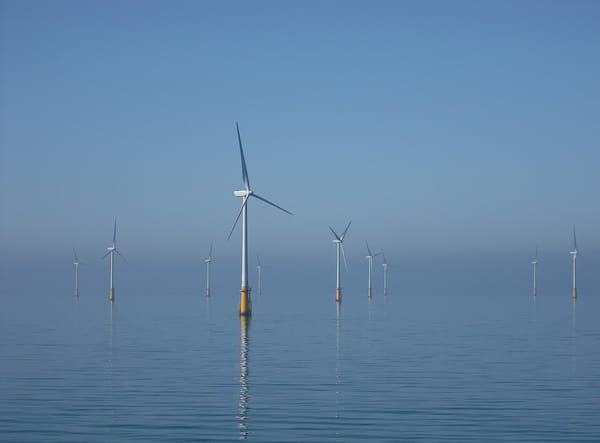
Vietnam Vietnam Reaches Final Investment Decision on First Commercial Offshore Wind Project A 600 MW offshore wind farm reaches FID with a USD 2.7 billion budget and a 25-year PPA at USD 0.084/kWh.
climate finance Asian Development Bank Launches $15 Billion Climate Adaptation Fund The ADB creates a $15 billion climate adaptation fund for Asia, targeting flood protection, resilient agriculture, and water security across the region.
Carbon Capture Asia's Carbon Capture Projects Reach 50 Million Tons Annual Capacity CCUS projects across Asia reach 50 million tons of annual CO2 capture capacity, a 150% increase since 2023, led by China and Australia.
Green Buildings LEED-Certified Buildings in Asia Surpass 10,000 as Green Construction Accelerates LEED-certified buildings in Asia-Pacific exceed 10,000, covering 450 million square meters as corporate net-zero commitments drive green construction.
ESG ESG Investing in Asia Reaches $3.8 Trillion as Regulations Tighten ESG assets under management in Asia-Pacific hit $3.8 trillion in 2025, up 28% as mandatory climate disclosures expand across major markets.
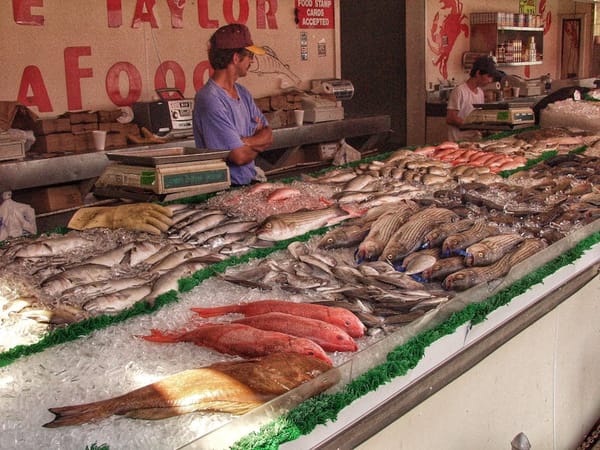
Microplastics Microplastics Found in 90% of Asian Seafood Samples, Study Reveals A study of 2,400 seafood samples across 12 Asian countries finds microplastic particles in 90%, with highest levels in Vietnam, Indonesia, and Philippines.
Green Finance Green Bond Issuance in Asia Surpasses $120 Billion in 2025 Asia-Pacific green bond issuance hits $120 billion in 2025, led by China at $62 billion, as regulatory mandates drive climate-aligned investment.