














Thailand Bans Fishing in Gulf of Thailand Spawning Grounds for Six Months
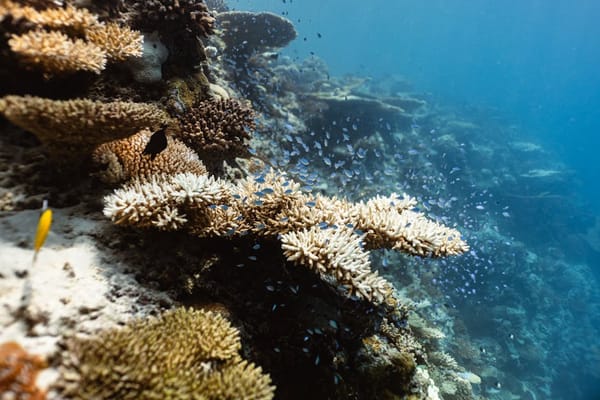
Thailand imposes a six-month fishing ban across 12,000 sq km of spawning grounds in the Gulf of Thailand as fish stocks drop to 15% of 1990 levels.
A news website covering the environment, climate, and sustainable development in East Asia. The region is both one of the largest sources of pollution and a leader in green energy investment—a contradiction that provides an inexhaustible news agenda. The site covers policy, corporate initiatives, climate data, and environmental projects.
Thailand imposes a six-month fishing ban across 12,000 sq km of spawning grounds in the Gulf of Thailand as fish stocks drop to 15% of 1990 levels.
CCUS projects across Asia reach 50 million tons of annual CO2 capture capacity, a 150% increase since 2023, led by China and Australia.
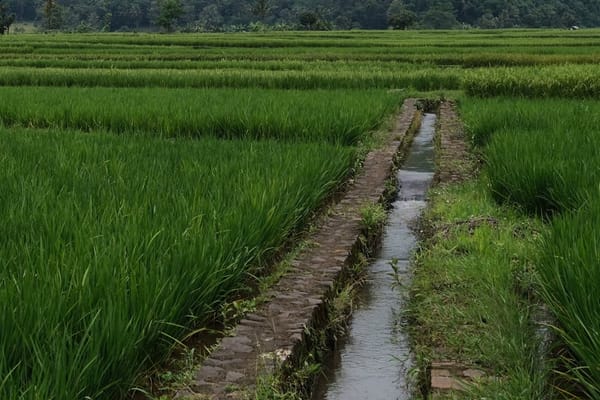
Vietnam commits $800 million to defend the Mekong Delta from saltwater intrusion threatening rice production for 18 million residents.
LEED-certified buildings in Asia-Pacific exceed 10,000, covering 450 million square meters as corporate net-zero commitments drive green construction.
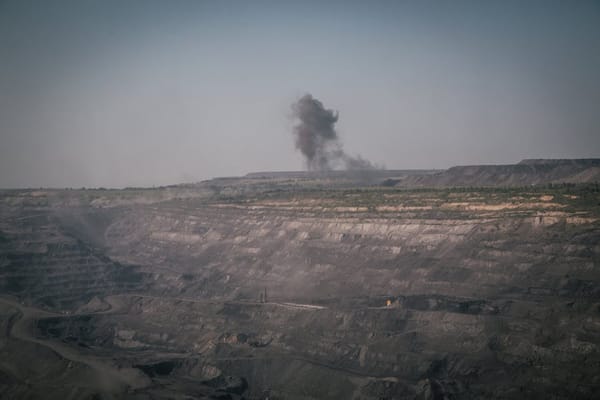
Indonesia's coal-powered nickel smelters emitted 115 million tons of CO2 in 2025, raising questions about the sustainability of EV battery supply chains.
Tuvalu and Australia sign a treaty granting climate migration pathways as rising seas threaten to submerge the Pacific island nation.
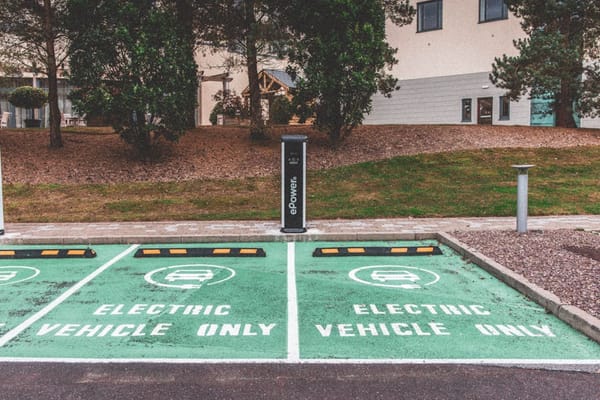
South Korea plans 500,000 EV chargers by 2028 with $2 billion investment, tripling the network and adding 50,000 ultra-fast 350 kW units.
Singapore requires all new buildings to achieve Green Mark Platinum certification from 2027, the strictest green building mandate in Asia.
India's certified organic farmland reaches 6 million hectares with 4.5 million farmers, driven by subsidies and growing domestic and export demand.
China's EAST tokamak sustains plasma at 70 million degrees for 1,066 seconds, nearly doubling its previous record and advancing fusion energy research.
Japan's food waste program saves 2 million tons in 2025, cutting annual waste to 5.2 million tons through retailer mandates and consumer apps.
ESG assets under management in Asia-Pacific hit $3.8 trillion in 2025, up 28% as mandatory climate disclosures expand across major markets.