Indonesia Achieves Record Reforestation with 1.5 Million Hectares Planted
Indonesia plants a record 1.5 million hectares in 2025, bringing total reforestation since 2020 to 5.2 million hectares with 2.4 billion seedlings.
Indonesia Achieves Record Reforestation with 1.5 Million Hectares Planted
Indonesia's Ministry of Environment and Forestry reported on March 9, 2026 that national reforestation efforts reached 1.5 million hectares in 2025, the highest annual figure in the country's history. The achievement surpasses the previous record of 1.1 million hectares set in 2023 and brings total reforestation since 2020 to 5.2 million hectares.
Indonesia lost 26 million hectares of forest between 1990 and 2020, making it one of the world's largest sources of deforestation-related emissions.
Program Breakdown
Government-led programs accounted for 900,000 hectares, while corporate social forestry and private reforestation contributed the remaining 600,000. The largest programs were peatland restoration (380,000 hectares), mangrove rehabilitation (150,000 hectares), and degraded production forest replanting (370,000 hectares).
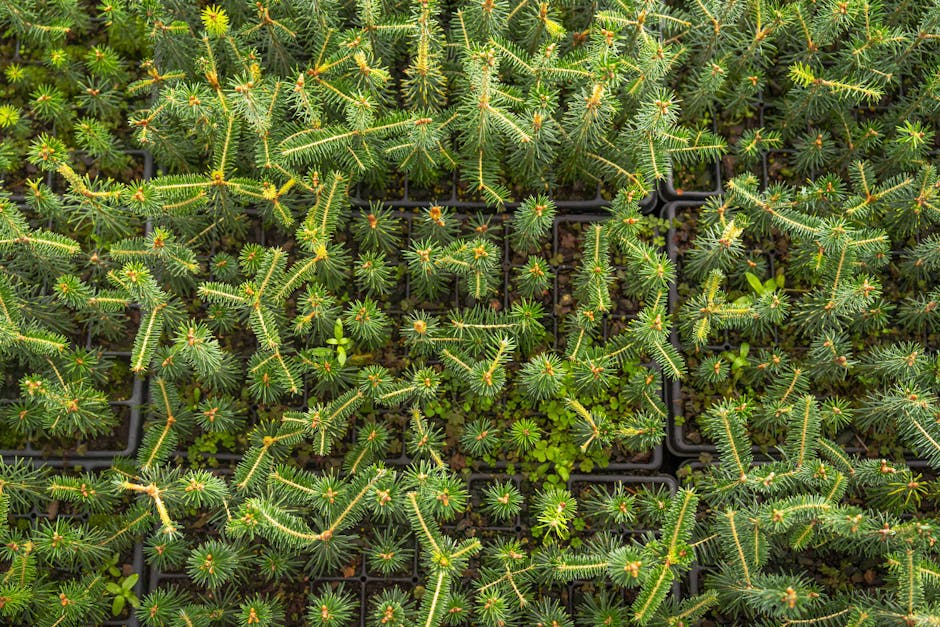
A total of 2.4 billion tree seedlings were produced by 8,500 community nurseries across the archipelago.
Community Participation
The social forestry program, which grants community groups legal management rights over degraded forest land, now covers 5.1 million hectares involving 12,000 community groups. Participants earn income from agroforestry products — coffee, cocoa, rubber, and fruit trees — while maintaining forest cover.
"Social forestry aligns economic incentives with reforestation," said Agus Justianto, director general of social forestry. "Communities protect forests they benefit from."
Quality and Survival
The ministry reported average seedling survival rates of 72% after one year, up from 58% in 2020 due to improved nursery practices, site preparation, and post-planting maintenance. Third-party audits by independent monitoring organizations verified that 85% of reported plantings exist on the ground.
Monoculture plantations of fast-growing species like acacia and eucalyptus accounted for 25% of the total, drawing criticism from conservation groups who argue these provide limited biodiversity value compared to native species restoration.
Carbon Impact
If the 5.2 million hectares planted since 2020 survive and mature, they will sequester an estimated 2.5 billion tons of CO2 over 25 years. Indonesia has registered 1.2 million hectares under the REDD+ mechanism, generating $180 million in carbon credit sales in 2025.
The government targets an additional 12 million hectares of reforestation by 2030, which would make Indonesia a net carbon sink from its forestry sector for the first time since the 1980s.