Philippines Installs 500,000 Solar Home Systems in Off-Grid Communities
The Philippines deploys 500,000 solar home systems to off-grid communities through a pay-as-you-go model, providing clean electricity to remote islands.
Philippines Installs 500,000 Solar Home Systems in Off-Grid Communities
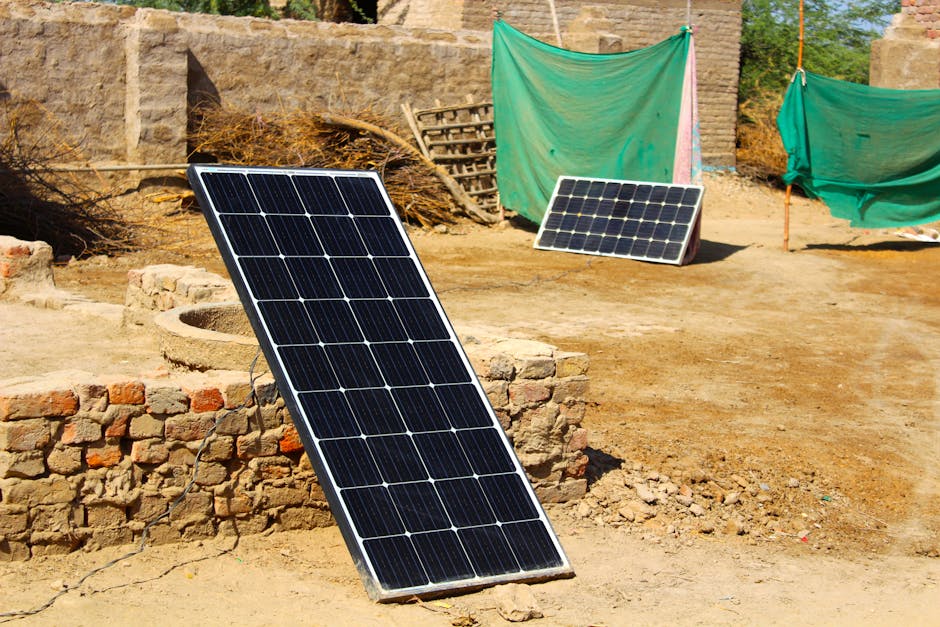
The Philippine Department of Energy announced on March 12, 2026 that its Solar Para sa Bayan program has installed 500,000 solar home systems in off-grid island and mountain communities since its launch in 2023. Each system provides 200-400 watts of capacity with lithium battery storage, sufficient to power lights, phone charging, a fan, and a small television.
Approximately 2.4 million Filipinos in 12,000 barangays (villages) lack grid electricity access, concentrated in Mindanao, the Visayas, and remote Luzon provinces.
Program Design
Households receive solar home systems at no upfront cost through a pay-as-you-go model. Mobile money payments of 150-250 pesos ($2.70-4.50) per month — less than the cost of kerosene previously used for lighting — cover a five-year lease, after which ownership transfers to the household.
French company BBOXX and Filipino startup SolarHome provide the technology and payment infrastructure, with the Philippine government subsidizing 30% of system costs.
Impact Assessment
An evaluation by the Asian Development Bank found that electrified households reported average monthly income increases of 2,500 pesos ($45) due to extended productive hours and phone-based market access. Children's evening study time increased by 2.3 hours per day. Indoor air pollution from kerosene lamps decreased by 95%.
"Solar home systems do not just provide light — they unlock economic opportunity," said Energy Secretary Raphael Lotilla. "The productivity gains far exceed the cost of the program."
Technical Performance
System reliability averages 97% uptime over the three-year operational period. Battery degradation is the primary maintenance issue, with lithium iron phosphate batteries retaining 85% capacity after 2,000 charge cycles. A network of 450 trained local technicians provides repair services within 48 hours.
Advanced systems include USB ports for phone charging — a critical feature in communities where mobile phones are the primary tool for financial transactions, weather information, and emergency communication.
Next Phase
The government targets 1 million installations by 2028, covering all remaining off-grid households. The second phase includes larger 1-2 kW community solar systems for schools, health clinics, and water pumping stations.
The Philippines' model has attracted interest from Indonesia, Papua New Guinea, and Pacific Island nations facing similar off-grid electrification challenges. IRENA has endorsed solar home systems as the lowest-cost pathway to universal energy access in archipelagic nations.