Asia-Pacific Nations Agree on Unified Plastic Pollution Treaty at Bangkok Summit
34 Asia-Pacific nations sign a binding plastic pollution treaty in Bangkok, setting 25% production cuts and 50% recycling targets by 2030.
Asia-Pacific Nations Agree on Unified Plastic Pollution Treaty at Bangkok Summit
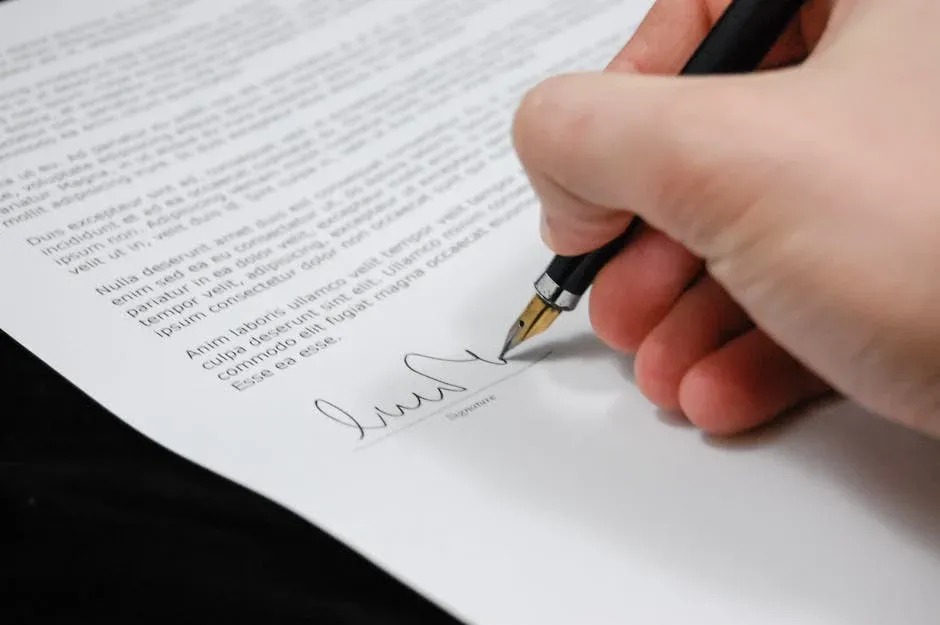
Representatives from 34 Asia-Pacific nations signed a binding regional plastic pollution treaty at the UNEP Asia-Pacific Environmental Ministers Forum in Bangkok on April 11, 2026. The agreement establishes mandatory plastic production caps, recycling targets, and extended producer responsibility frameworks, with 2030 deadlines for all signatory nations.
The treaty covers nations responsible for roughly 60% of global ocean plastic pollution, including China, Indonesia, the Philippines, Vietnam, India, and Thailand.
Key Provisions
Signatory nations commit to reducing virgin plastic production by 25% from 2025 levels by 2030. Recycling rates must reach 50% for packaging plastics and 30% for all plastic categories. Extended producer responsibility schemes, requiring manufacturers to fund end-of-life collection and processing, must be legislated within 18 months.
A ban on 12 categories of "problematic and unnecessary" single-use plastics — including polystyrene food packaging, plastic stirrers, and single-use hotel toiletry bottles — takes effect in 2028.
Financial Mechanism
The treaty establishes a $5 billion Asia-Pacific Plastic Action Fund, capitalized through a $0.01 per kilogram levy on virgin plastic resin production within signatory nations. Japan, South Korea, and Australia have pledged additional contributions totaling $1.2 billion.
Fund disbursements will prioritize waste management infrastructure in the ten countries contributing the most ocean plastic: China, Indonesia, Philippines, Vietnam, India, Thailand, Malaysia, Myanmar, Bangladesh, and Sri Lanka.
Industry Response
"This treaty creates the regulatory certainty that recycling investors need," said Jacob Duer, president of the Alliance to End Plastic Waste. "Clear mandates with clear timelines unlock private capital." Major petrochemical producers including SABIC, Indorama Ventures, and Sinopec have endorsed the treaty framework while lobbying for flexibility in implementation timelines.
Environmental groups praised the production cap as a historic first, though several organizations criticized the 25% target as insufficient given the scale of the crisis. Greenpeace called for a 50% reduction by 2030.
Enforcement and Monitoring
A regional monitoring body, the Asia-Pacific Plastics Observatory, will track compliance using satellite imagery of waste leakage, port inspections of plastic trade flows, and national reporting verified by independent auditors. Non-compliant nations face suspension from the Asia-Pacific Plastic Action Fund and public disclosure of violations.
The Bangkok treaty advances ahead of the global UN Plastic Pollution Treaty, which remains in negotiation. Observers expect the regional agreement to set the floor for global ambition when worldwide talks resume in Nairobi later this year.