Vietnam Offshore Wind Q2 2026: Why the Long-Delayed Permit Reform Finally Cleared 14 GW of Stalled Capacity
Vietnam had a 7 GW offshore wind ambition that stalled for three years on permit dysfunction. The Q2 2026 reform of the National Energy Development Plan unlocks the pipeline — and finally lets European and Asian developers commit capital that had been parked.
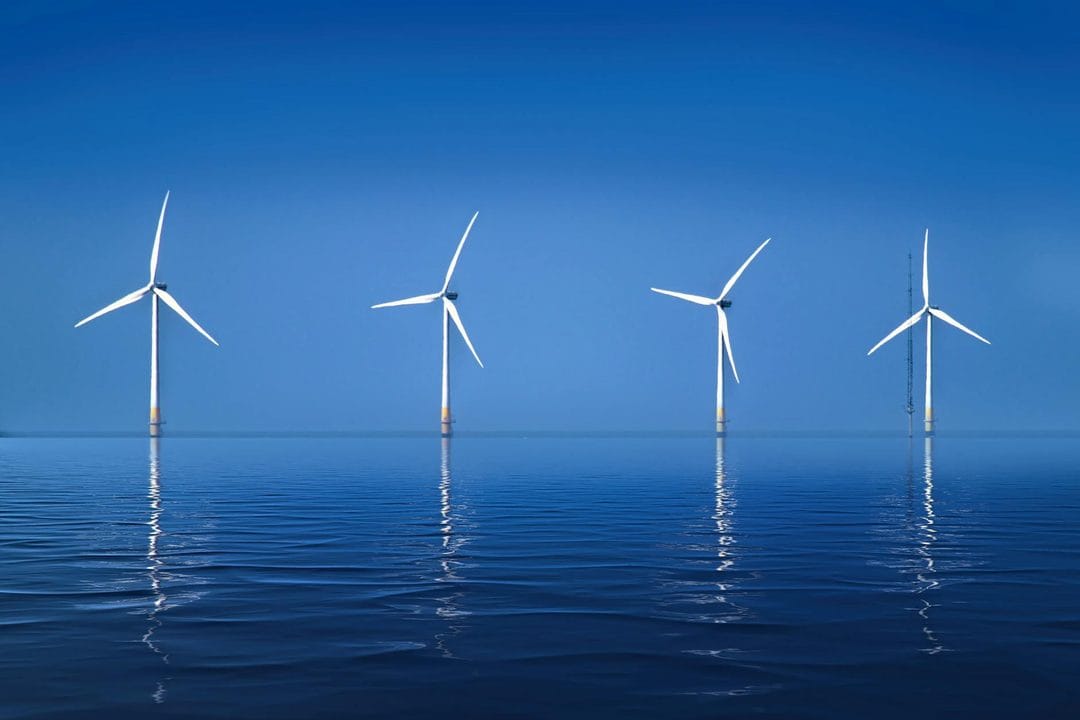
Vietnam's official offshore wind capacity target for 2030 — 7 gigawatts under Power Development Plan 8 (PDP8), revised upward to 14 GW under the May 2026 PDP8 Amendment 2 — has been a paper number for three years. Developers including Ørsted, Copenhagen Infrastructure Partners, Mainstream Renewable Power, Equinor, BP and PetroVietnam Technical Services had all bid for and won preliminary site allocations, only to see permits stall in interministerial bureaucracy. The Q2 2026 permit reform, signed by Prime Minister Pham Minh Chinh on 8 May, is the first substantive procedural unblocking since 2023.
What the reform actually changed
The headline of PDP8 Amendment 2 was the capacity target increase. The procedural reforms attached to it are where the real change happens. Three administrative reforms:
- Single-window permitting: developers now interact with one consolidated agency (the National Centre for Energy Development under MoIT) rather than navigating eight separate ministries. Permit issuance target reduced from 36 months to 14 months.
- Sea-area allocation moved from MOIT to a joint MOIT-MoNRE-MoND tribunal: this resolves the persistent veto that the Ministry of National Defence had been exercising over coastal seabed allocation citing maritime security concerns. The tribunal mechanism gives MoND a formal vote but not a unilateral block.
- Tariff certainty through 2030: feed-in tariffs replaced by a contract-for-difference (CfD) mechanism with strike prices set by competitive auction. First auction announced for Q4 2026; minimum 4 GW available.
Why this matters beyond Vietnam
Vietnam's offshore wind pipeline at 14 GW is the second-largest in Asia after Taiwan. Capital cost of full pipeline development is estimated at $42-50 billion through 2030. This represents one of the largest single-country offshore wind opportunities anywhere globally and has been a recurring source of frustration for European developers seeking deployment opportunities outside the increasingly congested European North Sea market.
Who's winning the contracts in May 2026
Three early-mover developers are now positioned for first-mover advantage in the Q4 auction:
- Mainstream Renewable Power (Norway/Ireland): 1.4 GW La Gan project off the Binh Thuan coast had advanced site characterisation through 2024. Now positioned to be operational by 2029. Mainstream's local joint venture with AsiaPetro gives it a procedural advantage on coastal-state engagement.
- Ørsted-PetroVietnam Technical Services consortium: 1.8 GW pipeline near Hai Phong. Ørsted's manufacturing supply chain experience plus PVTS's offshore platform construction capability makes this consortium the local-content compliance favourite.
- BP-Vingroup partnership: announced March 2026, 1.2 GW near Binh Dinh. The interesting one — BP's offshore experience plus Vingroup's domestic political weight. Watch whether this consortium gets preferential treatment in the Q4 auction.
Local content requirements
Vietnamese local content requirements are 40% by value, rising to 60% by 2030. This is enforceable; developers without serious local manufacturing or service partnerships will not win competitive auctions. Two domestic shipyards (Petroleum Equipment Assembly and Manufacturing — PVPS, and Songsang Vinashin) have invested heavily in monopile fabrication capability through 2024-2025 and are positioned to supply the early projects.
The supply chain implications
Global offshore wind supply chain — turbines (Siemens Gamesa, Vestas, GE Renewable Energy), foundations, cables (Prysmian, Nexans), installation vessels — is structurally tight through 2027. Vietnam's pipeline puts further pressure on a constrained market. Three near-term implications:
- Turbine pricing: expect $1.6-1.8m per MW for Asian projects in 2026-27, against $1.3m per MW in 2022. The price reflects supply chain tightness, not technical inflation.
- Installation vessel availability: only 7 next-generation jack-up vessels capable of installing 15MW+ turbines exist globally. Vietnam's pipeline competing for vessel time with Taiwan, Korea and the UK is now a binding constraint on schedule.
- Domestic manufacturing: expect at least one major turbine manufacturer (likely Goldwind or Mingyang from China, or possibly Siemens Gamesa establishing local assembly) to announce a Vietnamese manufacturing plant within 12 months.
Three risks to watch
- Grid interconnection: Vietnam's transmission grid was not designed for distributed offshore generation on this scale. EVN (the state utility) has committed $14 billion in transmission investment through 2030; whether this gets built on time is uncertain.
- Currency risk: VND has been managed against the USD with declining transparency. Long-tenor offshore wind projects financed in USD with VND revenue are exposed to a managed depreciation; developers are increasingly demanding USD-indexed PPAs.
- Political continuity: PDP8 Amendment 2 is identified with PM Pham Minh Chinh's administration. Vietnamese policy can shift quickly; developers want bilateral investment treaty protections in place before final investment decisions.
The Q2 2026 reform makes Vietnam a serious offshore wind market for the first time. Whether it becomes the breakthrough Asian success story or another example of pipeline that doesn't materialise depends on the Q4 auction execution and whether the grid actually gets built. The next 18 months are decisive.