Vietnam's Mekong Delta Invests $800 Million in Saltwater Intrusion Defenses
Vietnam commits $800 million to defend the Mekong Delta from saltwater intrusion threatening rice production for 18 million residents.
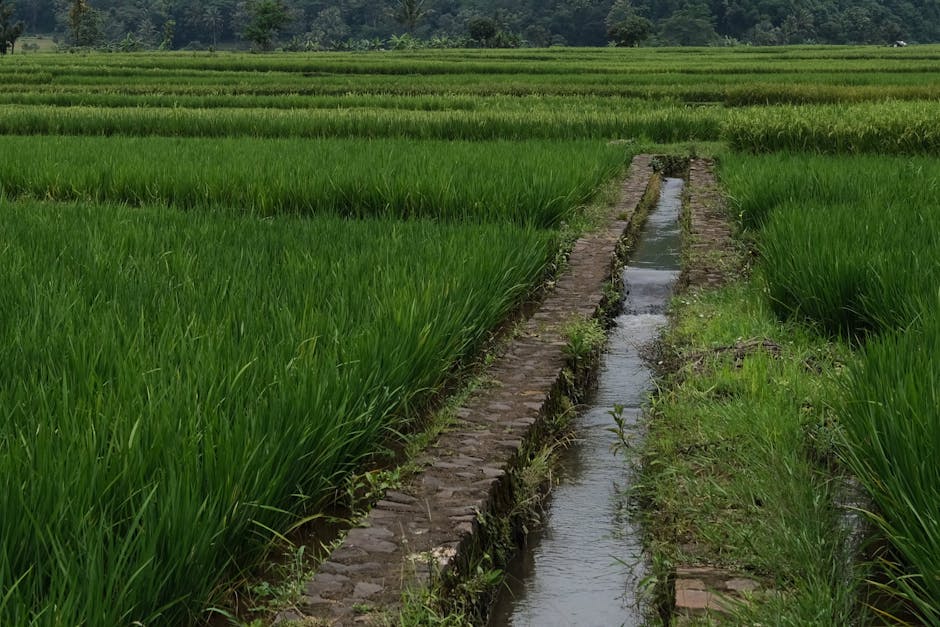
Vietnam's Mekong Delta Invests $800 Million in Saltwater Intrusion Defenses
Vietnam's Ministry of Agriculture and Rural Development approved an $800 million infrastructure package on February 19, 2026 to combat saltwater intrusion in the Mekong Delta, which threatens rice production for 18 million residents. The plan includes 12 new salinity barriers, 45 freshwater reservoirs, and a network of 200 monitoring stations across the delta's 13 provinces.
The Mekong Delta produces 55% of Vietnam's rice and 65% of its aquaculture output, generating $15 billion in annual agricultural revenue.
Scale of the Threat
Saltwater intrusion pushed 65 kilometers inland during the 2025-2026 dry season, affecting 400,000 hectares of farmland. Sea level rise of 3.5 millimeters per year, combined with reduced freshwater flows from upstream dams and groundwater extraction causing land subsidence, has created a compounding crisis.
"The Mekong Delta is sinking while the sea is rising," said Dr. Nguyen Huu Thien, a wetland ecologist and delta specialist. "Without intervention, 40% of the delta could be inundated during high tides by 2050."
Infrastructure Solutions
The flagship project is the Cai Lon-Cai Be sluice gate system in Kien Giang province, a $250 million installation with 11 gates spanning 455 meters. The system controls tidal saltwater flow while allowing freshwater drainage during the wet season.
Freshwater reservoirs, each holding 2-5 million cubic meters, will store wet-season rainfall for dry-season irrigation. Underground storage aquifer recharge projects will replenish depleted groundwater in Ben Tre and Tra Vinh provinces.
Crop Adaptation
The plan includes $120 million for agricultural adaptation, supporting 500,000 farming households in transitioning from freshwater rice to salt-tolerant varieties, brackish water shrimp farming, and integrated rice-shrimp systems that use seasonal saltwater incursion productively.
The International Rice Research Institute has released six salt-tolerant rice varieties suited to delta conditions, yielding 4.5 tons per hectare compared to 5.5 for conventional varieties in freshwater conditions.
Financing
The World Bank is providing $350 million in concessional loans, with the Asian Development Bank contributing $200 million and the Vietnamese government funding the remainder. The project timeline extends through 2030, with the first salinity barriers operational by 2028.
Climate adaptation experts note that the Mekong Delta's challenges are a preview of what awaits other Asian deltas, including the Ganges-Brahmaputra, Irrawaddy, and Chao Phraya, as sea levels continue to rise.