Vietnam Bans Single-Use Plastics in Coastal Tourist Zones
Vietnam bans single-use plastic bags, straws, and containers across 28 coastal tourist areas, targeting one of Asia's worst ocean pollution sources.
Vietnam Bans Single-Use Plastics in Coastal Tourist Zones
Vietnam's Ministry of Natural Resources and Environment enacted a ban on single-use plastic bags, straws, and polystyrene food containers across 28 designated coastal tourist areas effective October 19, 2025. The regulation targets the country's most visited beach destinations, including Da Nang, Nha Trang, and Phu Quoc.
Hotels, restaurants, and vendors in these zones face fines of up to 50 million dong ($2,000) for violations after a six-month grace period.
Scale of the Problem
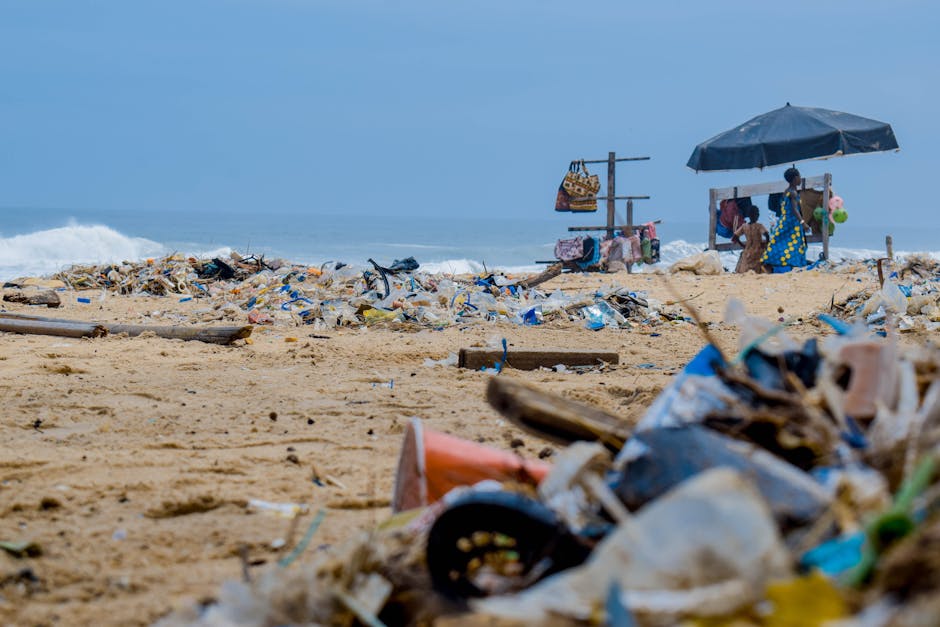
Vietnam ranks among the top five contributors to ocean plastic pollution globally, releasing an estimated 1.8 million tons of plastic waste into waterways annually. Coastal tourism areas generate disproportionate waste, with per-capita plastic consumption three times the national average during peak season.
Beach cleanup operations in Da Nang alone collected 420 tons of plastic waste in the first half of 2025, according to municipal authorities.
Alternative Supply Chains
The government has partnered with domestic manufacturers to scale production of biodegradable alternatives. An Phat Bioplastics, a Vietnamese company, received a $45 million expansion loan to triple its output of corn-starch-based bags and sugarcane-fiber containers.
"The transition cost for small vendors is the main concern," said Nguyen Thi Hoa, deputy director of the Vietnam Plastic Association. "Biodegradable alternatives currently cost 40-60% more than conventional plastics."
Enforcement Mechanisms
Provincial authorities will deploy inspection teams and use random sampling to verify compliance. The Ministry has also launched a mobile reporting app allowing tourists and residents to flag violations anonymously.
Early data from a pilot program in Phu Quoc, which implemented similar restrictions in March 2025, showed a 65% reduction in beach plastic litter within four months.
Regional Context
Vietnam joins Thailand, which banned several plastic items in 2022, and Indonesia, which targets a 70% marine plastic reduction by 2025. The ASEAN Framework of Action on Marine Debris has set collective goals, though enforcement varies widely across member states.
Environmental groups are pressing for the ban to extend nationwide by 2027, covering inland markets and rural areas where waste management infrastructure remains limited.