Sumatra's Last Rainforest Corridor Secured Through Land Swap Agreement
A land swap deal protects 45,000 hectares of Sumatra's Leuser-Ulu Masen corridor, the only place where four critically endangered species coexist.
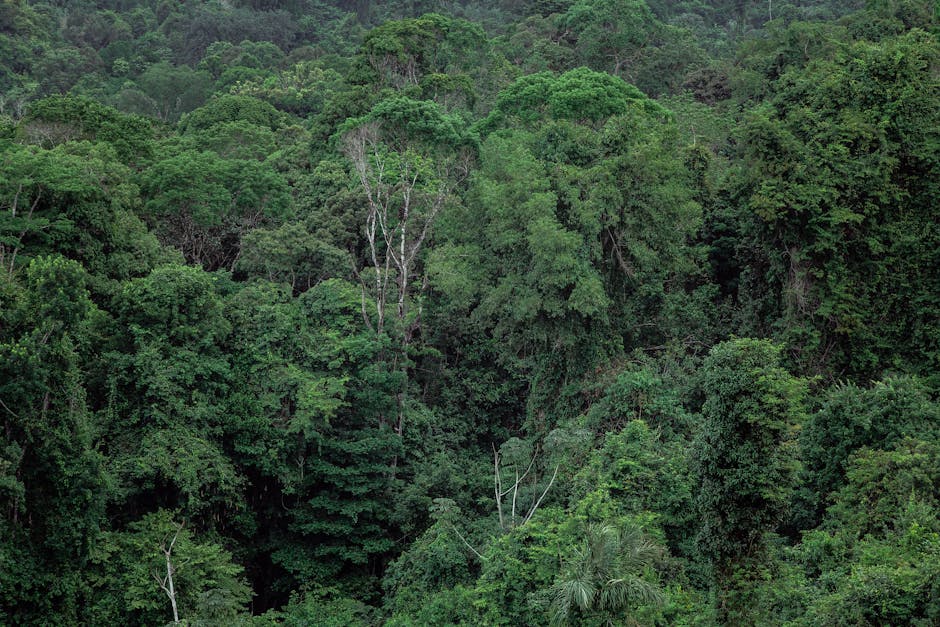
Sumatra's Last Rainforest Corridor Secured Through Land Swap Agreement
The Indonesian government finalized a landmark land swap agreement on November 30, 2025 that protects the Leuser-Ulu Masen forest corridor in northern Sumatra, the last remaining lowland rainforest connection between two major national parks. The deal transfers 45,000 hectares of logging and plantation concessions to conservation status in exchange for degraded land elsewhere in Aceh province.
The corridor is home to the Sumatran orangutan, Sumatran tiger, Sumatran rhinoceros, and Sumatran elephant — the only place on Earth where all four species coexist.
Deal Structure
Three palm oil companies and one timber concession holder relinquished their rights to the corridor land. In return, the government provided equivalent-sized concessions on already-degraded grassland in southern Aceh, along with $85 million in compensation funded by a consortium of international conservation organizations.
The Rainforest Trust, World Wildlife Fund, and Leonardo DiCaprio Foundation collectively contributed $52 million. The Indonesian government covered the remaining $33 million from its Reforestation Fund.
Ecological Significance
The Leuser Ecosystem, spanning 2.6 million hectares, is considered one of the most biodiverse places on Earth. The corridor connecting Gunung Leuser National Park to the Ulu Masen forest covers critical habitat for an estimated 200 Sumatran orangutans and 40 Sumatran tigers.
"Losing this corridor would have meant the functional extinction of connected populations for multiple critically endangered species," said Ian Singleton, director of the Sumatran Orangutan Conservation Programme. "This deal is genuinely historic."
Carbon Value
The protected forest stores an estimated 250 million tons of carbon, valued at $2.5 billion at current voluntary carbon market prices. Indonesia plans to register the corridor under the REDD+ framework, generating carbon credits that will fund long-term monitoring and community programs.
Peatland within the corridor, averaging 8 meters deep, contains some of the most carbon-dense soils on the planet. Draining these peatlands for plantations would have released an estimated 500 million tons of CO2 over several decades.
Implementation Challenges
Illegal encroachment remains a persistent risk. The Aceh provincial government has committed to deploying 200 additional forest rangers, supported by drone surveillance and satellite monitoring through the Global Forest Watch platform.
Community development programs, including agroforestry and ecotourism training, will target 12 villages bordering the corridor to create economic alternatives to forest exploitation.