South Korea Launches $2 Billion EV Charging Network Expansion
South Korea plans 500,000 EV chargers by 2028 with $2 billion investment, tripling the network and adding 50,000 ultra-fast 350 kW units.
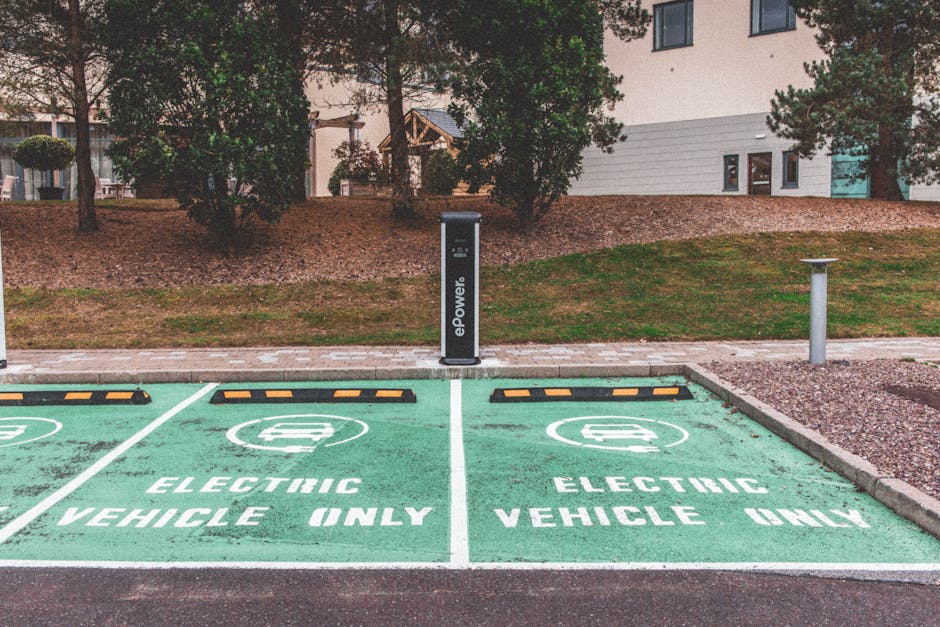
South Korea Launches $2 Billion EV Charging Network Expansion
South Korea's Ministry of Trade, Industry, and Energy unveiled a $2 billion plan on February 7, 2026 to install 500,000 EV charging points nationwide by 2028. The program triples the current network of 160,000 chargers and includes 50,000 ultra-fast 350 kW units along highways and in urban centers.
The initiative supports South Korea's target of 3 million registered EVs by 2028, up from 1.2 million at the end of 2025.
Infrastructure Priorities
The plan emphasizes apartment complexes, which house 60% of South Korea's population. Building codes will require one charger per five parking spaces in all new apartment developments, while a $400 million retrofit fund covers installations in existing buildings.
Highway rest stops will feature charging plazas with 20-40 fast chargers each, modeled on Tesla's Supercharger layout but open to all brands using the combined charging system (CCS) standard.
Private Sector Participation
SK Signet, LG Electronics, and Samsung SDI have formed a consortium to manufacture charging equipment domestically, targeting 80% local content. SK Signet plans to produce 100,000 chargers annually at its Daejeon factory, with 30% earmarked for export.
"South Korea's charging technology is world-class, but deployment has lagged behind EV adoption," said Lee Jae-kyung, deputy minister for energy. "This program closes the gap."
Grid Management
Korea Electric Power Corporation (KEPCO) will invest $600 million in grid upgrades to support the increased load, including transformer capacity at 2,000 locations and smart grid integration. Vehicle-to-grid (V2G) technology, which allows EVs to feed electricity back during peak demand, will be piloted with 10,000 participants.
Time-of-use pricing will incentivize off-peak charging between 10 PM and 6 AM, when electricity rates will be 50% lower than daytime rates.
International Context
China leads globally with 3 million public chargers, while Europe has 800,000 and the US has 180,000. South Korea's density target of 10 chargers per 1,000 EVs would place it among the best-served markets worldwide.
Hyundai and Kia, which together account for 45% of Korean EV sales, have committed to pre-installing V2G capability in all models from 2027, enabling the charging network to serve as distributed energy storage.