Philippines Cuts Renewable Permitting Time to 30 Days, Unlocking 18 GW of Stalled Projects
The Philippines' Department of Energy has compressed renewable-project permitting from an average of two years to 30 days under its Green Lane initiative, clearing a backlog of 18 GW in solar, wind and storage applications.
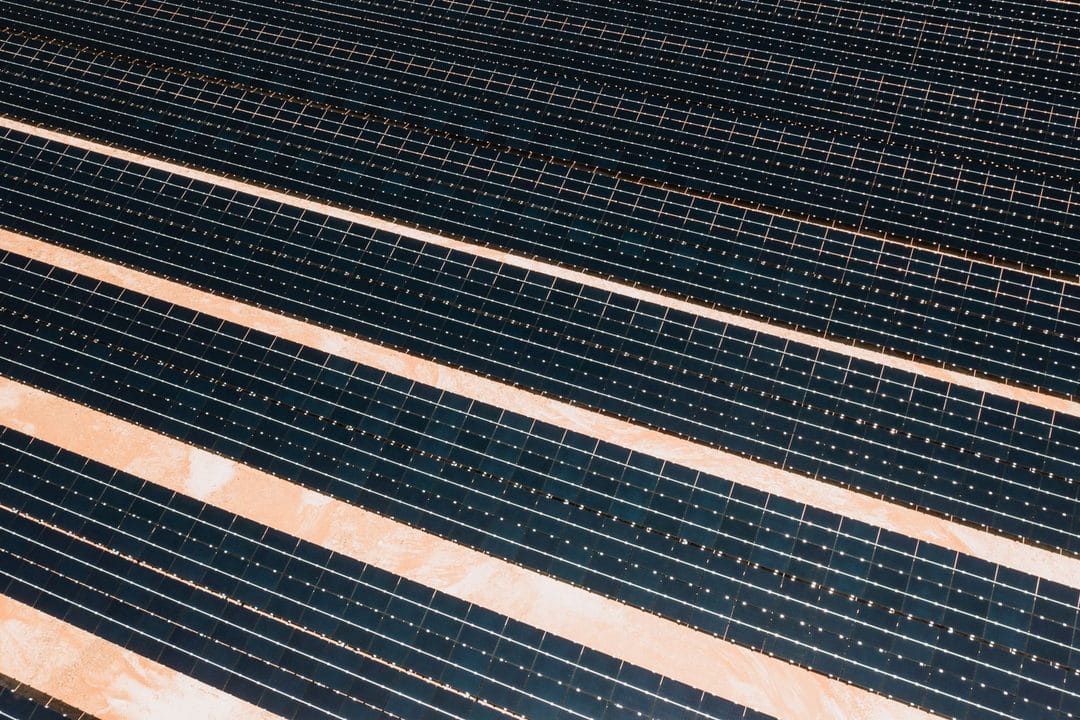
The Philippines' Department of Energy (DOE) has cut the average approval time for utility-scale renewable-energy projects from roughly two years to 30 days, clearing a permitting backlog that had stalled an estimated 18 gigawatts (GW) of solar, wind and battery-storage capacity, according to a DOE circular issued this month.
The mechanism, branded the Green Lane for Strategic Investments, consolidates sign-offs that previously required separate applications to the DOE, the Department of Environment and Natural Resources, the National Grid Corporation of the Philippines, and local government units. Developers now submit a single application through the Board of Investments' one-stop shop, with a statutory 30-working-day clock for national-level approvals.
Energy Secretary Sharon Garin said in a statement that 214 renewable projects had entered the Green Lane queue since the program's expansion in the second quarter of 2026, with the largest single tranche belonging to floating solar developments proposed for Laguna de Bay and several Mindanao reservoirs. Garin did not name individual developers tied to the largest applications.
The move follows years of complaints from both domestic and foreign investors that permitting delays, not financing, were the binding constraint on the Philippines' 2030 renewable-share target of 35% of installed capacity. A 2025 review by the Institute for Climate and Sustainable Cities found that the average solar project spent 21 months awaiting environmental compliance certificates and grid-connection studies before construction could begin.
Meridian Energy Partners, a Manila-based independent power producer, said it received approval for a 220-megawatt (MW) solar-plus-storage project in Nueva Ecija in 26 days under the new process — a project that had been pending under the old system since late 2023. The company's chief development officer, in comments carried by BusinessWorld, said the shift changed how the firm sequences land acquisition and equipment procurement, since financiers are now willing to commit capital before permits are finalized rather than after.
Not every application clears the Green Lane on schedule. The DOE circular excludes projects located within ancestral domain areas subject to free and prior informed consent requirements, which remain under the standard multi-agency review track, and grid operator NGCP has flagged that transmission capacity in parts of the Visayas may not keep pace with the volume of projects now advancing toward construction.
The Green Lane initiative sits alongside the DOE's separate Renewable Portfolio Standard update, which raised the annual mandated increase in renewable supply for distribution utilities starting in 2027. Regional development banks, including the Asian Development Bank, have cited permitting reform as a precondition for scaling blended-finance facilities earmarked for Southeast Asian grid and storage buildout.