Ocean Cleanup System Removes 200,000 kg of Plastic from Pacific Garbage Patch
The Ocean Cleanup extracts 200,000 kg of plastic from the Great Pacific Garbage Patch in Q4 2025, bringing total removal to 550,000 kg.
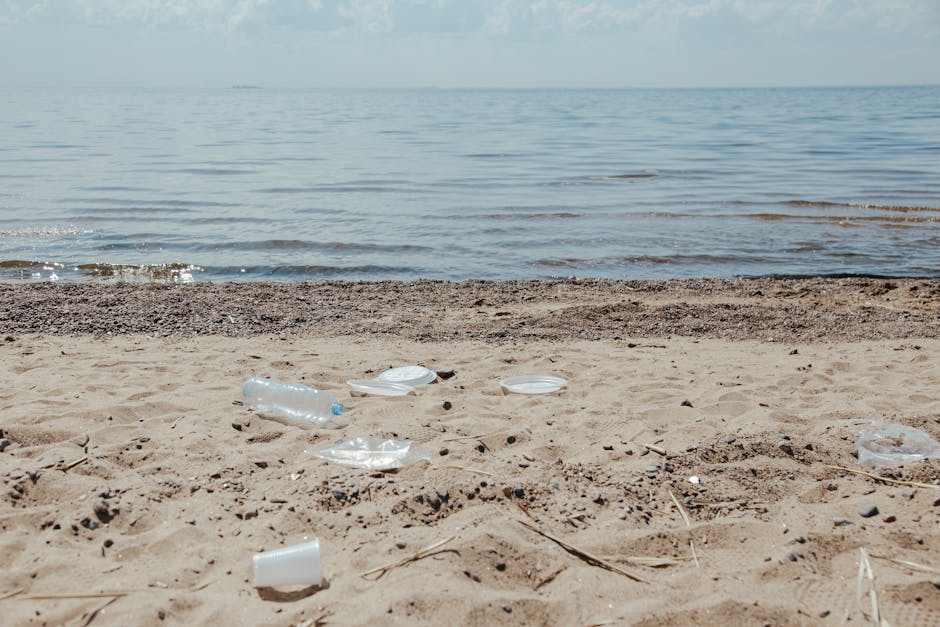
Ocean Cleanup System Removes 200,000 kg of Plastic from Pacific Garbage Patch
The Ocean Cleanup, a Dutch nonprofit, announced on January 17, 2026 that its fleet of autonomous collection systems removed 200,000 kilograms of plastic debris from the Great Pacific Garbage Patch during the fourth quarter of 2025. The milestone brings total extraction to 550,000 kilograms since large-scale operations began in 2023.
The Great Pacific Garbage Patch, located between Hawaii and California, contains an estimated 80,000 tons of floating plastic across an area twice the size of Texas.
System Performance
The Ocean Cleanup operates three System 03 units, each consisting of a 2.2-kilometer U-shaped barrier towed by two vessels. The barriers funnel surface plastic into a central retention zone, which is emptied every 48-72 hours. GPS tracking and satellite imagery guide vessels to areas of highest plastic concentration.
Collection rates averaged 2,200 kg per day per system during the October-December period, a 40% improvement over the same quarter in 2024 due to optimized towing patterns and AI-driven debris forecasting.
Composition Analysis
Recovered material consists primarily of fishing nets and gear (48%), hard plastic fragments (28%), foam (12%), and film plastic (12%). Ghost fishing nets, lost or abandoned by commercial vessels, represent the single largest category and pose the greatest threat to marine wildlife through entanglement.
"Ghost nets are both the most harmful and the most recoverable ocean plastic," said Boyan Slat, founder and CEO of The Ocean Cleanup. "Each ton we remove potentially saves thousands of marine animals."
Recycling and Revenue
Collected plastic is transported to a processing facility in British Columbia, where it is sorted, cleaned, and converted into recycled pellets. Partnerships with consumer brands including Samsung and Coca-Cola purchase recycled ocean plastic at premium prices for use in packaging and products.
Revenue from recycled material offsets approximately 15% of operating costs, with the remainder funded by donations and government grants totaling $85 million in 2025.
Scale and Criticism
At current extraction rates, cleaning the entire Pacific Garbage Patch would take approximately 100 years with three systems. The Ocean Cleanup plans to deploy 10 systems by 2028, reducing the theoretical timeline to 30 years. Critics argue that preventing plastic from entering oceans is more effective than removal.
The organization's river interception systems, operating on 11 major rivers in Asia and Africa, have captured 12 million kilograms of plastic before it reaches the ocean, addressing the source side of the equation.