Mekong River Basin Faces Worst Drought in 60 Years
The Mekong River drops to record lows, threatening 65 million people across Southeast Asia with the worst drought since 1965.
Mekong River Basin Faces Worst Drought in 60 Years
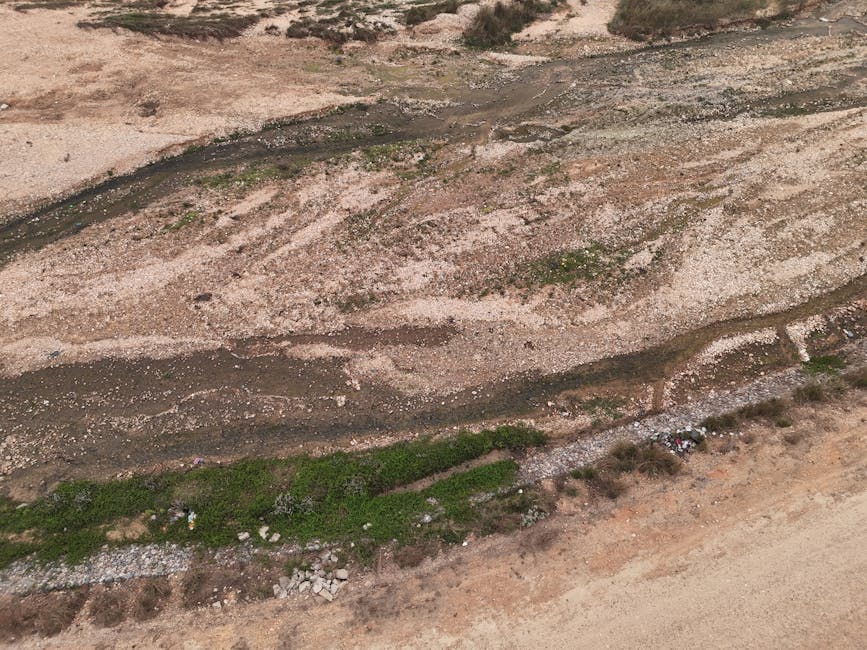
Water levels on the Mekong River dropped to record lows in late October 2025, with gauging stations in Thailand, Laos, and Cambodia recording flows 40-55% below seasonal averages. The Mekong River Commission declared the situation the most severe hydrological drought since systematic monitoring began in 1965.
An estimated 65 million people across the Lower Mekong Basin depend on the river for food, water, and livelihoods.
Causes and Climate Link
A prolonged El Nino pattern reduced monsoon rainfall across mainland Southeast Asia by 25% during the June-September wet season. Upstream dam operations in China, which controls roughly 50% of the Mekong's headwaters flow, have drawn renewed criticism from downstream nations.
The Lancang-Mekong Cooperation mechanism, a China-led diplomatic framework, issued a statement attributing low flows to "natural climate variability" while pledging to increase dry-season releases from its cascade of 11 mainstream dams.
Fisheries Collapse
Cambodia's Tonle Sap Lake, the largest freshwater lake in Southeast Asia and a critical fish breeding ground, has shrunk to 60% of its typical wet-season area. Fish catches in the October sampling period fell 47% compared to the five-year average.
"The Tonle Sap fishery feeds 2 million Cambodians directly and many more through trade," said Zeb Hogan, a fish biologist at the University of Nevada who studies Mekong species. "This drought threatens already endangered species like the giant catfish."
Agricultural Impacts
Rice paddies in Thailand's Isan region and Vietnam's Mekong Delta face severe water shortages. Vietnam's agriculture ministry estimates that 180,000 hectares of paddy could be lost in the current dry season, representing potential production losses of 900,000 tons of rice.
Saltwater intrusion in the Mekong Delta has pushed 45 kilometers inland, affecting drinking water supplies for 500,000 people in Ben Tre and Tra Vinh provinces.
Emergency Responses
Thailand has deployed the Royal Rainmaking Bureau for cloud-seeding operations, while Cambodia has activated emergency food distribution in Siem Reap and Battambang provinces. Vietnam is accelerating construction of three desalination plants along the delta coastline.
Hydrologists project that drought conditions will persist through February 2026, with some recovery expected only if the 2026 monsoon onset arrives on schedule.