Indonesia's Nickel Smelting Emissions Draw International Scrutiny
Indonesia's coal-powered nickel smelters emitted 115 million tons of CO2 in 2025, raising questions about the sustainability of EV battery supply chains.
Indonesia's Nickel Smelting Emissions Draw International Scrutiny
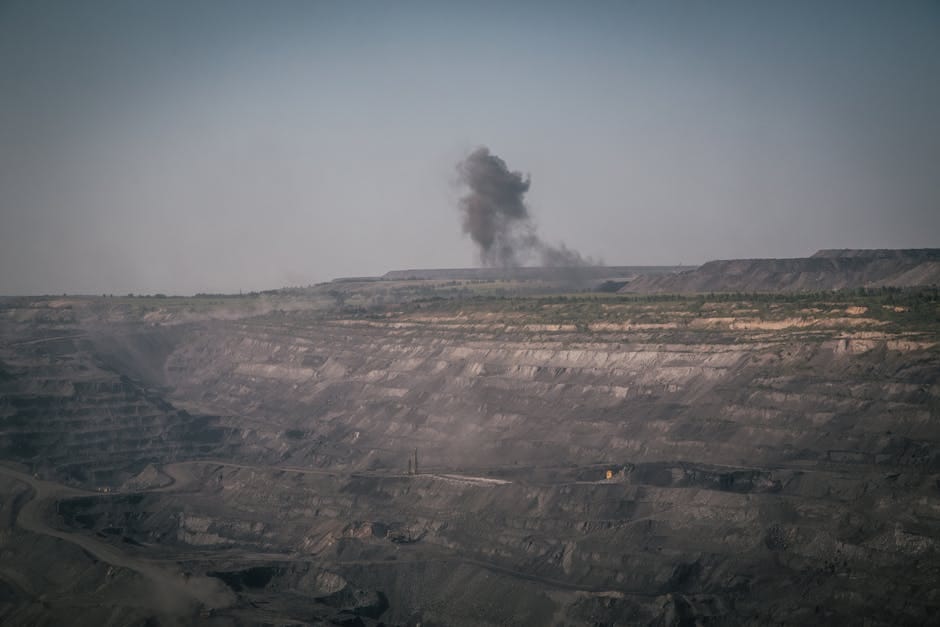
A report by the Centre for Research on Energy and Clean Air published on February 13, 2026 estimates that Indonesia's nickel smelting industry emitted 115 million tons of CO2 in 2025, making it the country's fastest-growing emission source. The 38 nickel processing plants on Sulawesi and the Maluku Islands rely almost entirely on coal-fired captive power, consuming 45 million tons of coal annually.
Indonesia produces 55% of the world's nickel, a critical mineral for EV batteries and stainless steel.
Carbon Intensity Problem
Indonesian nickel has a carbon footprint of 45 tons of CO2 per ton of nickel, compared to 12 tons per ton for Canadian nickel processed with hydroelectric power. The disparity has prompted European and North American automakers to question the sustainability credentials of Indonesian nickel in their EV supply chains.
"The irony of using high-carbon nickel to make 'green' batteries is not lost on anyone," said Lauri Myllyvirta, lead analyst at CREA. "Indonesia faces a choice between volume growth and carbon intensity."
Regulatory Response
Indonesia's Ministry of Energy and Mineral Resources issued new regulations in January 2026 requiring all nickel smelters to submit decarbonization roadmaps by December 2026. Targets include 30% renewable energy in smelter power supply by 2030 and mandatory carbon capture feasibility studies for facilities emitting above 2 million tons annually.
PT Indonesia Morowali Industrial Park, the largest nickel processing complex, announced a $500 million investment in a 400 MW solar farm to supplement its coal-fired power supply.
Market Pressure
The EU Battery Regulation, effective from February 2027, will require battery carbon footprint declarations and maximum thresholds. Indonesian nickel producers risk exclusion from European supply chains unless carbon intensity drops substantially.
Tesla and BMW have introduced "clean nickel premiums" of $2,000-3,000 per ton for material processed with below-average carbon intensity, creating financial incentives for Indonesian producers to invest in clean energy.
Environmental Justice
Communities near smelter complexes in North Maluku and Central Sulawesi report degraded air quality, contaminated water sources, and loss of fishing grounds. Environmental group WALHI documented 45 formal complaints from affected villages in 2025.
The Indonesian nickel sector employs 350,000 workers and generates $35 billion in annual export revenue, creating tension between economic development and environmental standards that the government must navigate carefully.