Indonesia Deploys Mangrove Restoration Drones Across 15 Provinces
Indonesia launches drone-based mangrove planting across 15 provinces, targeting 150,000 hectares of restoration with 72% seedling survival rates.
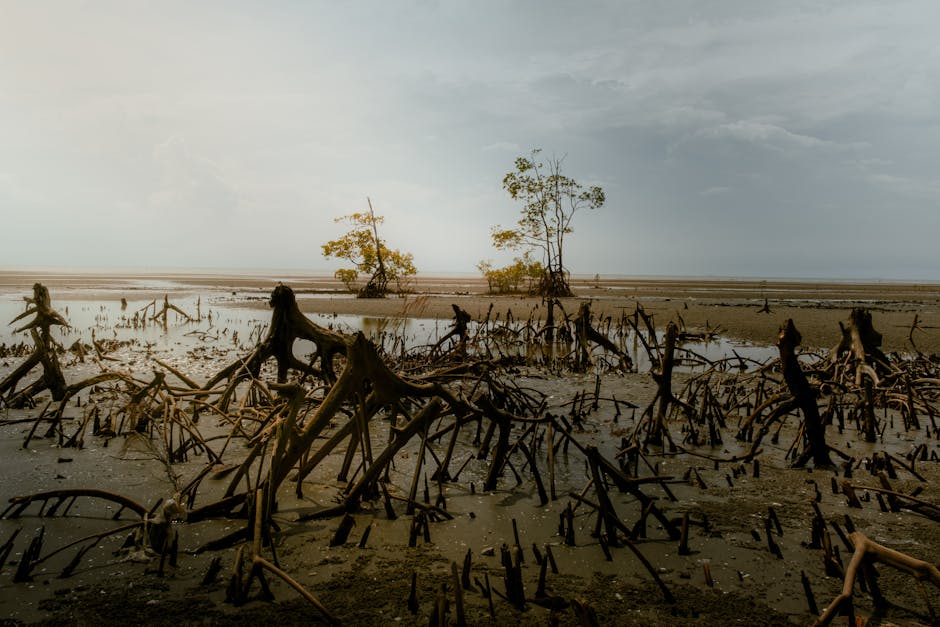
Indonesia Deploys Mangrove Restoration Drones Across 15 Provinces
Indonesia's Ministry of Environment and Forestry launched a drone-based mangrove planting initiative on December 27, 2025, deploying 200 specialized seed-dispersal drones across 15 coastal provinces. The program targets restoration of 150,000 hectares of degraded mangrove habitat over three years, at a cost of $420 million.
Indonesia holds 23% of the world's mangrove forests but has lost 40% of its original mangrove cover to aquaculture conversion, coastal development, and pollution.
Drone Technology
Each drone carries 10,000 seed pods per flight, encased in biodegradable nutrient capsules that dissolve upon contact with tidal mud. GPS-guided flight paths ensure optimal spacing between plantings. A single drone team can cover 5 hectares per day, compared to 0.3 hectares using manual planting methods.
The seed pods were developed by the Bogor Agricultural Institute and contain a proprietary germination accelerant that increases survival rates from 40% (manual planting) to 72% in field trials.
Carbon and Coastal Protection
Mangroves store up to four times more carbon per hectare than terrestrial forests, concentrated in deep organic-rich soil. The 150,000-hectare restoration target would sequester an estimated 75 million tons of CO2 over 20 years, generating potential carbon credit revenues of $750 million at current prices.
"Mangroves are the most cost-effective nature-based climate solution available to tropical countries," said Joko Sarsito, director general of watershed and forest rehabilitation. "They protect coastlines, support fisheries, and sequester carbon simultaneously."
Community Engagement
The program employs 5,000 community members as drone operators, nursery workers, and monitoring technicians. Each participating village establishes a mangrove management committee with authority over harvest permits for sustainable products like mangrove honey, crabs, and wood chips.
In East Kalimantan, early-stage restored mangrove areas have already seen a 25% increase in shrimp yields in adjacent waters, providing tangible economic benefits to fishing communities.
International Support
The initiative is co-funded by the World Bank's Forest Carbon Partnership Facility ($180 million), South Korea's Green Climate Fund contribution ($120 million), and the Indonesian government's reforestation levy on mining and plantation companies.
If successful, the program will be expanded to target Indonesia's remaining 600,000 hectares of critically degraded mangrove areas by 2035.