Indonesia's E-Waste Recycling Industry Grows 40% Amid New Regulations
Indonesia's e-waste recycling sector expands 40% as new extended producer responsibility rules require manufacturers to collect discarded electronics.
Indonesia's E-Waste Recycling Industry Grows 40% Amid New Regulations
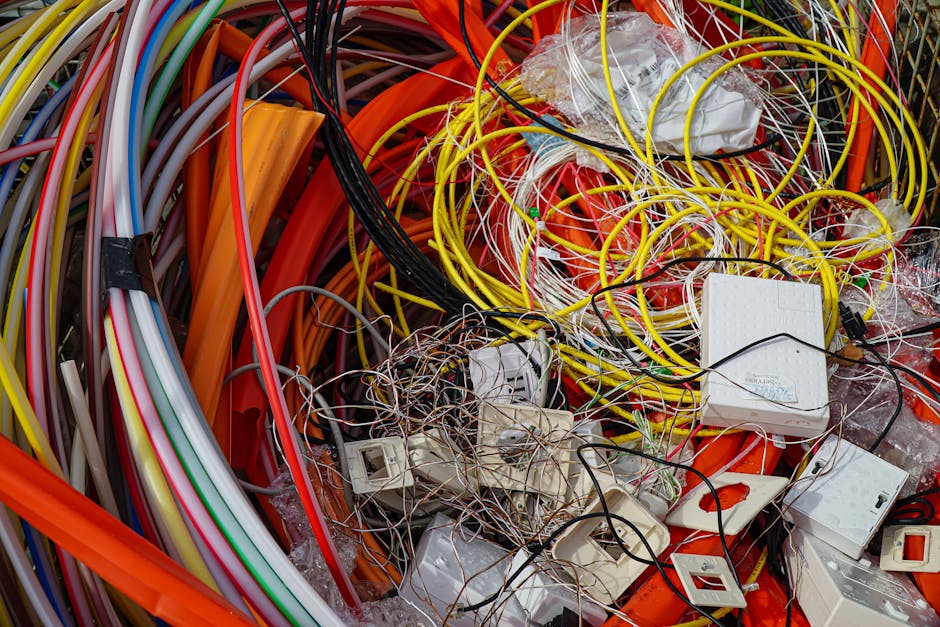
Indonesia's electronic waste recycling sector expanded by 40% in volume during the first three quarters of 2025, processing an estimated 180,000 tons of discarded electronics. The growth follows the implementation of Presidential Regulation No. 15/2025, which mandates extended producer responsibility for electronics manufacturers.
The country generates approximately 2.2 million tons of e-waste annually, one of the highest volumes in Southeast Asia.
Regulatory Framework
Under the new regulation, electronics manufacturers and importers must collect and recycle at least 30% of the weight of products they sell within Indonesia. Companies failing to meet targets face import license restrictions and fines up to 5 billion rupiah ($310,000).
Samsung, Apple, and Chinese brands Xiaomi and Oppo have established collection networks in partnership with local recyclers, operating 450 drop-off points across Java and Sumatra.
Informal Sector Transition
Indonesia's e-waste processing has historically been dominated by informal workers in areas like Bekasi and Surabaya, who extract metals using hazardous open-burning methods. The government's formalization program has enrolled 2,800 informal workers into certified recycling cooperatives, providing safety equipment and technical training.
"The informal sector recovers valuable materials but at an unacceptable human and environmental cost," said Agus Purnomo, special staff to the environment minister. "Formalization protects workers while improving recovery rates."
Resource Recovery
Modern e-waste facilities in the Cikarang industrial zone recover gold, silver, copper, and rare earth elements at rates 3-5 times higher than informal methods. PT Teknotama Lingkungan Internusa, Indonesia's largest formal recycler, extracted 1.2 tons of gold and 8.5 tons of silver from circuit boards in the first half of 2025.
The recovered materials have a combined market value of approximately $85 million, making e-waste recycling increasingly attractive to private investors.
Regional Comparison
Indonesia's e-waste recycling rate of approximately 8% still lags behind Japan's 22% and South Korea's 18%. However, the regulatory framework puts it ahead of most Southeast Asian neighbors.
The ASEAN E-Waste Management Cooperation Agreement, signed in September 2025, establishes shared standards and cross-border recycling logistics to improve regional processing capacity.