India's Organic Farming Area Doubles to 6 Million Hectares
India's certified organic farmland reaches 6 million hectares with 4.5 million farmers, driven by subsidies and growing domestic and export demand.
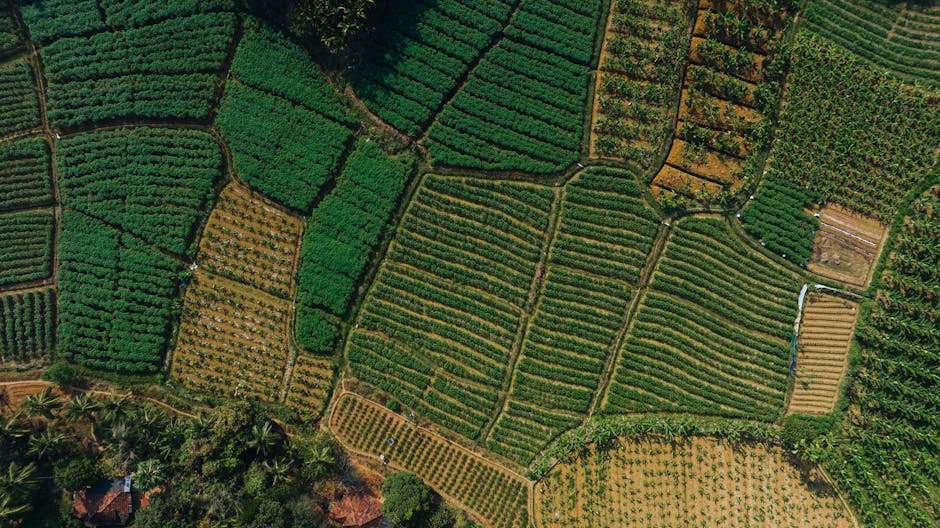
India's Organic Farming Area Doubles to 6 Million Hectares
India's Ministry of Agriculture reported on February 1, 2026 that certified organic farmland reached 6 million hectares, doubling from 3 million in 2022. The expansion makes India the country with the largest organic farming area in Asia and the fourth largest globally, behind Australia, Argentina, and Uruguay.
Approximately 4.5 million farmers are now certified organic, with the highest concentrations in Madhya Pradesh, Rajasthan, Maharashtra, and the northeastern states.
Policy Framework
The Paramparagat Krishi Vikas Yojana (PKVY) scheme provided $600 million in subsidies for organic conversion during 2023-2025, covering certification costs, organic input procurement, and marketing support. Sikkim, which became India's first fully organic state in 2016, serves as the demonstration model.
The government's Natural Farming Mission, launched in 2024, extends beyond organic certification to promote zero-budget natural farming techniques that eliminate all external inputs including organic fertilizers.
Market Growth
India's domestic organic food market reached $3.5 billion in 2025, growing at 25% annually. Organic exports totaled $1.8 billion, with the EU, US, and Japan as primary destinations. Organic spices, tea, and cotton are the leading export categories.
"Consumer willingness to pay organic premiums has increased from 10% to 25% of conventional prices in metro markets," said Manoj Kumar, chairman of the Agricultural and Processed Food Products Export Development Authority.
Yield and Income Effects
Research by the Indian Council of Agricultural Research shows that organic yields are initially 20-30% lower than conventional farming but recover to within 10% after three years of soil health improvement. Net farm income for organic farmers averages 22% higher due to premium pricing and lower input costs.
Soil organic carbon levels on converted farms increased by an average of 0.4% over three years, improving water retention and resilience to drought.
Challenges
Certification costs of $200-500 per farm remain prohibitive for marginal farmers. Group certification through Participatory Guarantee Systems has reduced costs by 70% and now covers 60% of organic farms.
India targets 10 million hectares of organic farmland by 2030, which would represent 5% of total cultivated area. Achieving this will require scaling up organic input supply chains, farmer training networks, and market access infrastructure.