India's Food Delivery Giants Pledge 100% Electric Fleets by 2028
Zomato and Swiggy commit to electrifying 800,000 delivery vehicles by 2028, cutting 1.5 million tons of CO2 annually from India's food delivery sector.
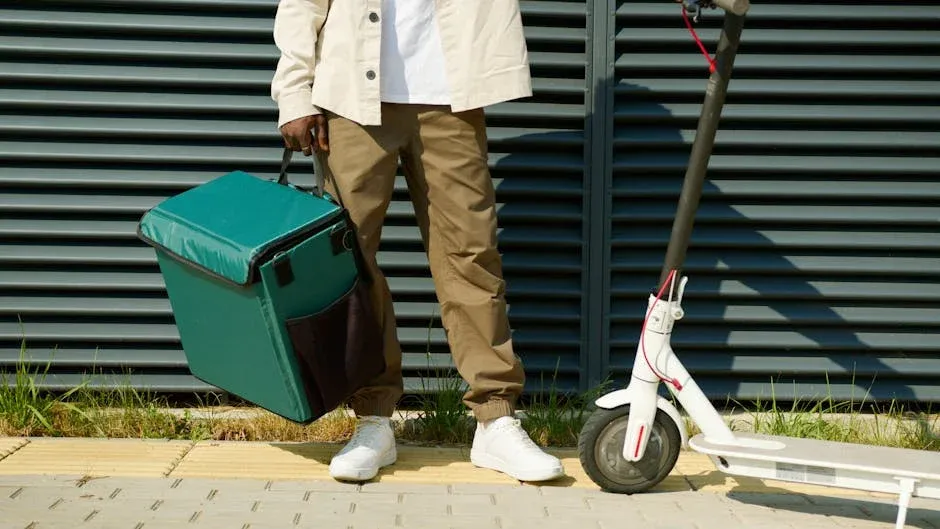
India's Food Delivery Giants Pledge 100% Electric Fleets by 2028
Zomato and Swiggy, India's two dominant food delivery platforms, jointly announced on February 28, 2026 that all delivery vehicles on their networks will be electric by December 2028. The commitment covers approximately 800,000 delivery partners operating electric scooters and three-wheelers across 500 Indian cities.
The two companies together process 3.5 million daily deliveries, with their fleets currently comprising 35% electric vehicles.
Implementation Plan
Both platforms will provide interest-free loans of up to $600 for delivery partners to purchase electric two-wheelers, with monthly EMI deductions from delivery earnings. Partnerships with Ather Energy, Ola Electric, and Bajaj Auto guarantee priority production allocations and bulk pricing 20% below retail.
Zomato CEO Deepinder Goyal said the initiative will prevent 1.5 million tons of CO2 emissions annually. "Our delivery fleet is our largest environmental footprint. Electrifying it is the single most impactful action we can take," he stated at a press conference in Bangalore.
Charging Infrastructure
The companies plan to install 50,000 dedicated battery-swap stations at restaurant partner locations and Zomato/Swiggy warehouse hubs. Battery swap technology, which replaces depleted batteries in 90 seconds, eliminates the 3-4 hour charging downtime that reduces delivery capacity.
Sun Mobility and Battery Smart, India's leading swap network operators, have signed exclusive agreements to deploy the stations.
Economic Model
Electric scooters reduce per-delivery fuel costs from $0.12 (petrol) to $0.03 (electricity), generating $0.09 in savings per delivery. For a partner completing 25 deliveries daily, annual fuel savings exceed $800 — more than covering the EMI payments on the vehicle loan.
"The economics now favor electric," said Swiggy COO Vivek Sunder. "We are not asking partners to sacrifice income for the environment. They will earn more."
Regulatory Context
Several Indian cities including Delhi, Pune, and Hyderabad have announced plans to restrict fossil-fuel commercial delivery vehicles in central zones by 2030. The national government's FAME III scheme provides additional subsidies for commercial electric two-wheelers.
If successful, the Zomato-Swiggy initiative could serve as a model for the broader gig economy, including ride-hailing platforms Ola and Uber, which together operate 2 million vehicles in India.