Green Cement Production Launches in Malaysia with 50% Lower Emissions
Malaysia's YTL Cement launches LC3 green cement with 50% lower CO2 emissions at its 1.2-million-ton Perak plant, the largest in Southeast Asia.
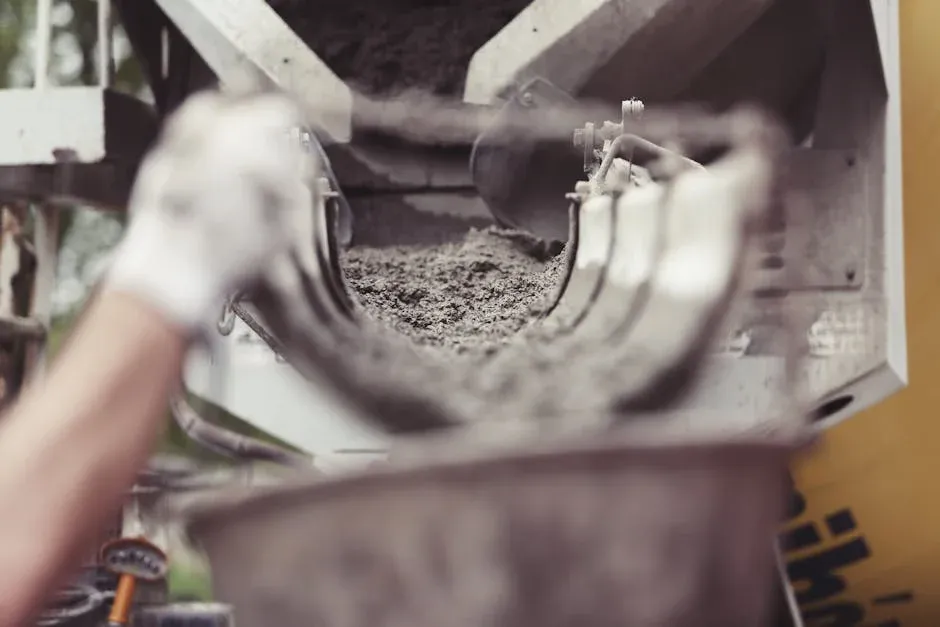
Green Cement Production Launches in Malaysia with 50% Lower Emissions
YTL Cement, one of Southeast Asia's largest cement producers, began commercial production of a low-carbon cement product at its Perak plant on January 8, 2026. The LC3 (Limestone Calcined Clay Cement) formulation reduces CO2 emissions by 50% compared to ordinary Portland cement while maintaining equivalent structural performance.
The Perak facility can produce 1.2 million tons of LC3 cement annually, making it the largest green cement plant in the ASEAN region.
Technology Breakthrough
LC3 cement replaces 50% of energy-intensive clinker with a combination of calcined clay and limestone, both abundant in Malaysia. The calcination temperature for clay is 800 degrees Celsius, compared to 1,450 degrees for clinker, yielding major energy savings.
The technology was developed at the Swiss Federal Institute of Technology (EPFL) and validated through 10 years of testing in India, Cuba, and Colombia. Malaysian structural engineers have certified it for use in buildings up to 30 stories and in infrastructure applications.
Market Impact
Global cement production generates approximately 2.8 billion tons of CO2 annually, representing 8% of total emissions. Southeast Asia's construction boom, driven by urbanization and infrastructure spending, is a major demand center.
"Cement is the hardest-to-abate industrial sector after steel," said Dr. Karen Scrivener, head of the LC3 development team at EPFL. "LC3 is the most practical near-term solution because it uses existing kiln infrastructure."
Cost Competitiveness
LC3 cement currently costs 5-8% more than conventional cement due to the additional calcination step. However, as carbon pricing mechanisms expand in Asia, the cost advantage shifts. At a carbon price of $30 per ton, LC3 becomes cheaper than Portland cement.
Malaysia's construction industry consumes 22 million tons of cement annually. If 30% were replaced with LC3, annual CO2 reductions would reach 3.3 million tons.
Regional Expansion
YTL Cement plans to retrofit plants in Singapore and Indonesia for LC3 production by 2027. Siam Cement Group in Thailand and Holcim's Vietnam operations are developing similar products, signaling a broader industry shift.
The Asian Development Bank has launched a $500 million concessional lending facility to support green cement adoption across developing Asian nations, where construction-related emissions are growing fastest.