Floods Displace 2 Million in Bangladesh as Climate Migration Surges
Record monsoon flooding in Bangladesh displaces 2 million, destroys 1.2 million tons of rice, and accelerates climate-driven internal migration.
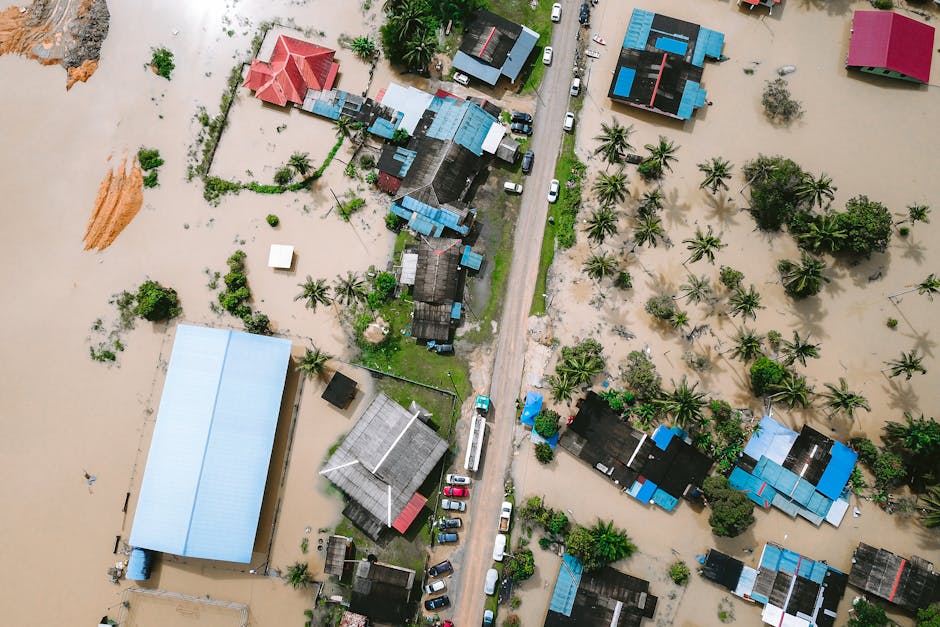
Floods Displace 2 Million in Bangladesh as Climate Migration Surges
Catastrophic monsoon flooding across northeastern Bangladesh displaced an estimated 2 million people during late November 2025, with Sylhet and Sunamganj districts reporting record water levels. The Surma and Kushiyara rivers breached embankments in 35 locations, submerging 400,000 hectares of cropland and destroying 120,000 homes.
The Bangladesh Meteorological Department attributed the flooding to rainfall 80% above the 30-year average, consistent with climate models projecting intensified monsoon cycles.
Humanitarian Response
The government deployed military rescue teams, evacuating 350,000 people to 1,200 emergency shelters. The United Nations Office for the Coordination of Humanitarian Affairs launched a $45 million flash appeal, with UNICEF, the World Food Programme, and the International Red Cross leading response operations.
Clean drinking water access was disrupted for an estimated 800,000 people, with waterborne disease outbreaks of cholera and typhoid reported in six subdistricts.
Agricultural Devastation
The November floods destroyed an estimated 1.2 million tons of aman rice, the main harvest season crop, representing 8% of national production. Fisheries in haor wetland areas were heavily impacted, with an estimated $120 million in aquaculture losses.
"Farmers in Sylhet have lost three consecutive harvests to flooding," said Ainun Nishat, professor of climate change at BRAC University. "The economics of farming in these areas are becoming untenable."
Climate Migration Patterns
Internal displacement from climate-related events in Bangladesh has averaged 4.7 million annually over the past five years, according to the Internal Displacement Monitoring Centre. Dhaka's slums absorb an estimated 300,000 climate migrants per year, straining the capital's already overburdened infrastructure.
The World Bank's Groundswell report projects that 13.3 million Bangladeshis could be internally displaced by climate factors by 2050, making it one of the world's most climate-vulnerable nations.
Adaptation Investments
Bangladesh allocates 2.5% of GDP to climate adaptation, one of the highest rates globally. The National Adaptation Programme of Action has invested $2.4 billion in flood embankments, cyclone shelters, and salt-tolerant crop varieties since 2015.
However, adaptation spending falls short of the estimated $5.7 billion annual need identified by the government's Climate Change Strategy. Loss and damage funding pledged at COP28 has been slow to materialize, with Bangladesh receiving only $28 million of an expected $200 million by late 2025.