Elephant Corridor Restoration in Myanmar Reconnects Fragmented Populations
A 35-kilometer restored wildlife corridor in Myanmar reconnects two isolated Asian elephant populations, restoring genetic connectivity.
Elephant Corridor Restoration in Myanmar Reconnects Fragmented Populations
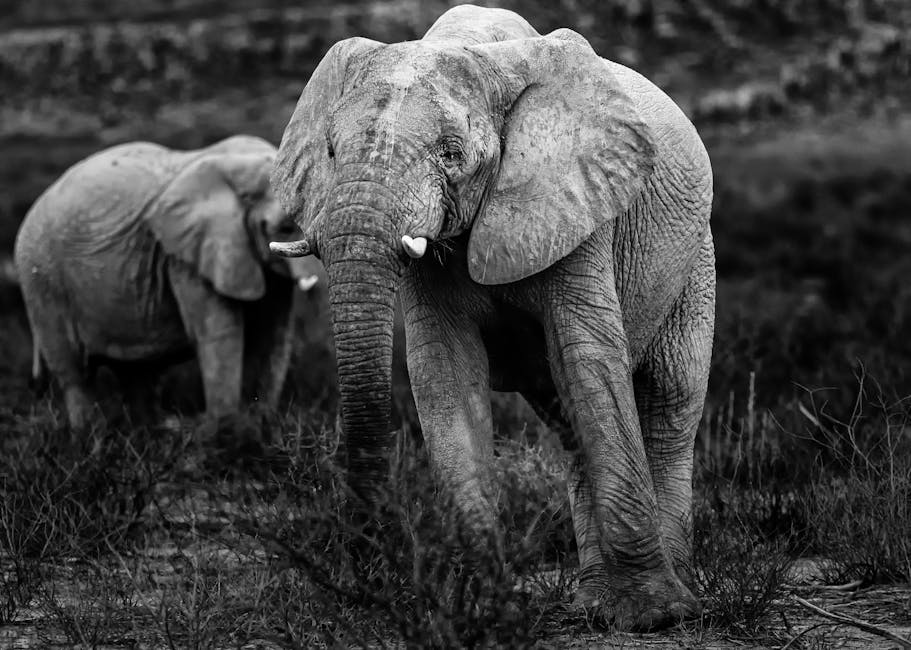
The Wildlife Conservation Society announced on January 20, 2026 that a five-year corridor restoration project in Myanmar's Shan and Kayah states has successfully reconnected two isolated Asian elephant populations. GPS collar data from 18 tracked elephants confirmed regular movement through a 35-kilometer restored habitat strip connecting the Htamanthi Wildlife Sanctuary to the Inle Lake watershed.
Myanmar is home to an estimated 1,400 wild Asian elephants, the third-largest population after India and Sri Lanka.
Corridor Design
The 35-kilometer corridor, averaging 3 kilometers wide, was restored through a combination of reforestation (8,500 hectares), removal of 45 kilometers of fencing, and relocation of two small agricultural settlements (28 households) to improved land parcels. A total of 1.2 million native tree seedlings were planted, including elephant food species like wild banana, bamboo, and figs.
"Elephants need connected landscapes of at least 500 square kilometers to maintain viable populations," said Dr. Aung Myo Chit, WCS Myanmar country director. "This corridor provides that critical link."
Community Collaboration
All 14 communities bordering the corridor participated in the design process. Compensation packages included new housing, expanded agricultural plots, and priority enrollment in community forestry programs that generate income from sustainable timber and non-timber forest products.
Human-elephant conflict mitigation measures include beehive fences (elephants avoid bee sounds), chili-pepper buffer crops, and a 24-hour SMS alert system linked to GPS collars on resident elephants.
Genetic Benefits
Genetic analysis of dung samples from the two previously isolated populations revealed dangerously low genetic diversity, with effective population sizes below 50 in each group. The corridor is expected to restore gene flow within 5-10 years as elephants from each population interbreed.
"Genetic isolation is a slow-motion extinction event," said Dr. Peter Leimgruber, conservation biologist at the Smithsonian Conservation Biology Institute. "Reconnection is literally lifesaving for these populations."
Replication Potential
Myanmar has identified 12 priority elephant corridors requiring restoration, connecting fragmented populations across the country's remaining 170,000 square kilometers of elephant habitat. The Shan-Kayah project, funded by $14 million from the EU, Norway, and the Critical Ecosystem Partnership Fund, serves as the template.
Similar corridor restoration models are being developed for Asian elephant populations in Sumatra, Sri Lanka, and northeast India, where habitat fragmentation is the leading threat after poaching.