Delhi Implements Emergency Air Quality Measures as AQI Hits 480
Delhi activates emergency Stage IV measures as Air Quality Index hits 480, with schools closed and construction halted amid the crop burning season.
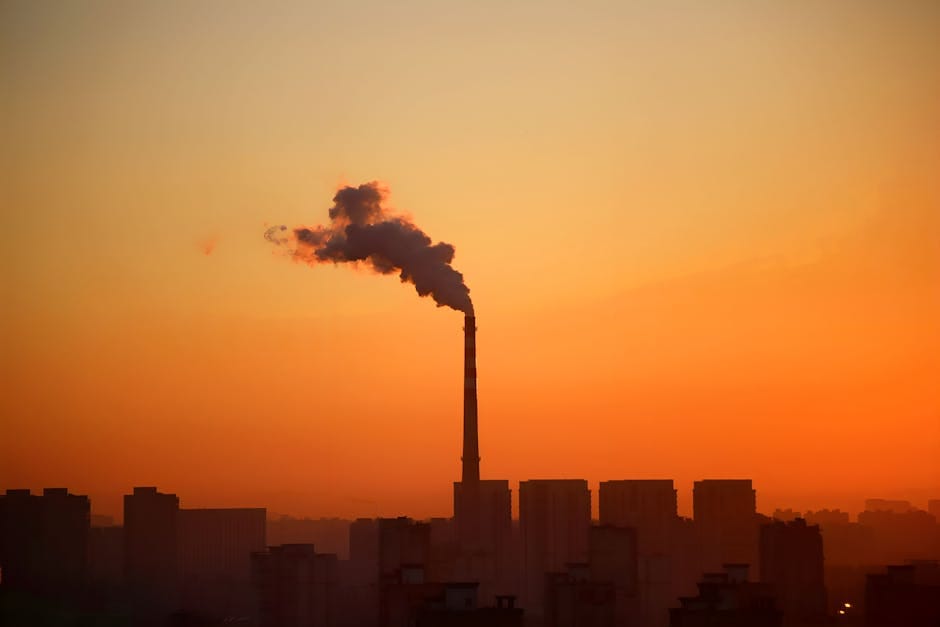
Delhi Implements Emergency Air Quality Measures as AQI Hits 480
Delhi's Commission for Air Quality Management activated Stage IV emergency measures on October 28, 2025 after the city's average Air Quality Index surged to 480, classified as "severe plus." Schools shifted to online learning, construction activity was halted, and non-essential diesel vehicles were banned from entering the capital.
The crisis, recurring annually during the post-monsoon crop burning season, has intensified this year due to unfavorable wind patterns and persistent temperature inversions.
Health Impacts
Delhi's hospitals reported a 45% spike in emergency respiratory admissions during the last week of October compared to the monthly average. The All India Institute of Medical Sciences recorded 340 daily visits for asthma, bronchitis, and chronic obstructive pulmonary disease.
"Particulate matter levels at 480 AQI mean every breath is equivalent to smoking 25 cigarettes a day," said Dr. Arvind Kumar, chairman of the Institute of Chest Surgery at Medanta Hospital. "Children and elderly are at acute risk."
Crop Burning Factor
Stubble burning in neighboring Punjab and Haryana contributed an estimated 35% of Delhi's PM2.5 load during the episode. NASA satellite data identified approximately 72,000 active fire points across the Indo-Gangetic Plain during the period.
Despite a $350 million subsidy program for crop residue management machinery, adoption among small farmers remains below 30%. Many farmers cite the speed and zero cost of burning as reasons for continued non-compliance.
Government Response
The Delhi government deployed 150 anti-smog guns and activated 40 artificial rain preparation stations. The central government ordered round-the-clock monitoring at 75 stations and deployed mobile enforcement units to intercept polluting vehicles.
A new cloud-seeding program, developed in collaboration with IIT Kanpur, was authorized for deployment if conditions persist beyond five consecutive days.
Long-Term Solutions
Environmental groups argue that emergency measures address symptoms rather than causes. The Centre for Science and Environment has called for mandatory paddy straw collection systems and accelerated transition to direct-seeded rice, which eliminates the stubble problem entirely.
India's National Clean Air Programme targets a 40% reduction in particulate pollution across 131 cities by 2026, though Delhi's progress has lagged behind schedule.