Coral Restoration Project Revives 50 Hectares of Reef in the Coral Triangle
The Mars Coral Reef Restoration Program restores 50 hectares across Indonesia, Philippines, and Papua New Guinea with 85% coral survival rates.
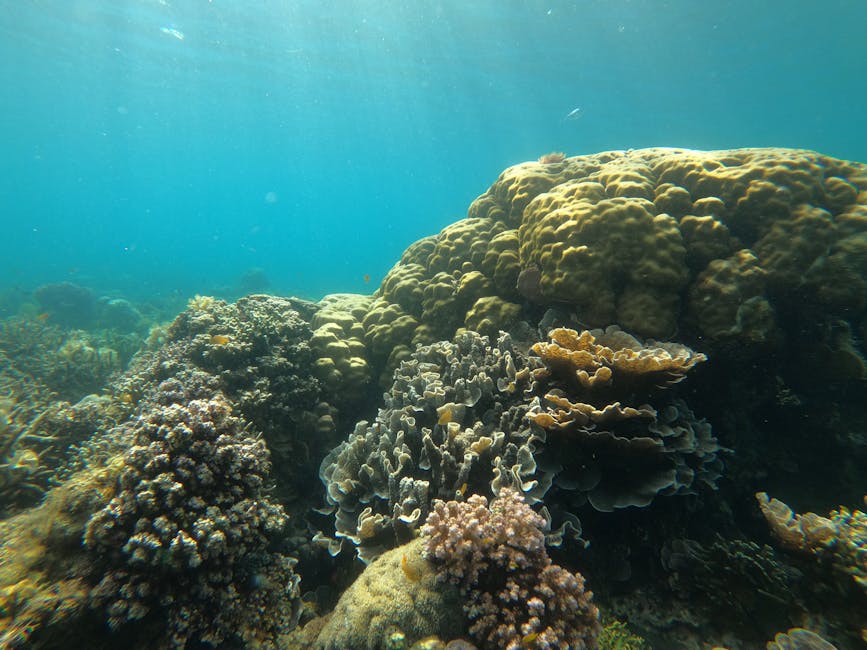
Coral Restoration Project Revives 50 Hectares of Reef in the Coral Triangle
The Mars Coral Reef Restoration Program reported on November 15, 2025 that it has successfully restored 50 hectares of degraded coral reef across sites in Indonesia, the Philippines, and Papua New Guinea. The achievement, spanning five years of work, makes it the largest reef restoration effort in the Coral Triangle region.
The Coral Triangle, often called the "Amazon of the seas," hosts 76% of all known coral species and supports the livelihoods of 120 million people.
Restoration Method
The program uses "reef stars" — hexagonal steel structures coated with sand and seeded with coral fragments. Each reef star covers 1.5 square meters and supports 20-30 coral fragments attached with cable ties. Once placed on the seabed, natural coral growth gradually envelops the structure.
Survival rates of transplanted corals average 85%, significantly above the 50-60% typical of older fragmentation methods. Monitoring data shows restored reefs reaching 60% live coral cover within three years.
Biodiversity Recovery
Fish surveys at restored sites in Sulawesi recorded a 300% increase in fish biomass compared to pre-restoration baselines. The return of herbivorous fish species, particularly parrotfish and surgeonfish, creates a positive feedback loop by controlling algae that otherwise smother recovering corals.
"Restored reefs are functioning ecosystems, not just gardens," said Dr. Tries Razak, scientific director of the Indonesia Coral Reef Foundation. "We are seeing natural recruitment of coral larvae on restored structures, which is the true measure of success."
Community Integration
Local fishing communities participate in reef monitoring and maintenance, earning supplementary income of $150-200 per month. The program has trained 450 local "reef rangers" across 35 villages, building long-term stewardship capacity.
Marine tourism at restored sites in Raja Ampat has increased by 40%, generating revenue that funds continued conservation work. Dive operators pay a $25 reef conservation fee per visitor.
Scaling Challenges
At current rates, restoring the estimated 50,000 hectares of severely degraded reef in the Coral Triangle would take centuries. Researchers are exploring accelerated techniques including electric reef stimulation and heat-resistant coral breeding to increase the pace and resilience of restoration.
Ocean warming remains the primary threat, with the 2024 global bleaching event affecting 15% of the program's restored sites. Climate adaptation strategies are now integral to all new restoration designs.