China Widens EV Battery Recycling Mandate as First-Generation Vehicles Age Out
China has widened its EV battery traceability mandate as the first generation of subsidised electric vehicles reaches the end of typical service life, with ripple effects reaching recyclers and automakers across Asia.
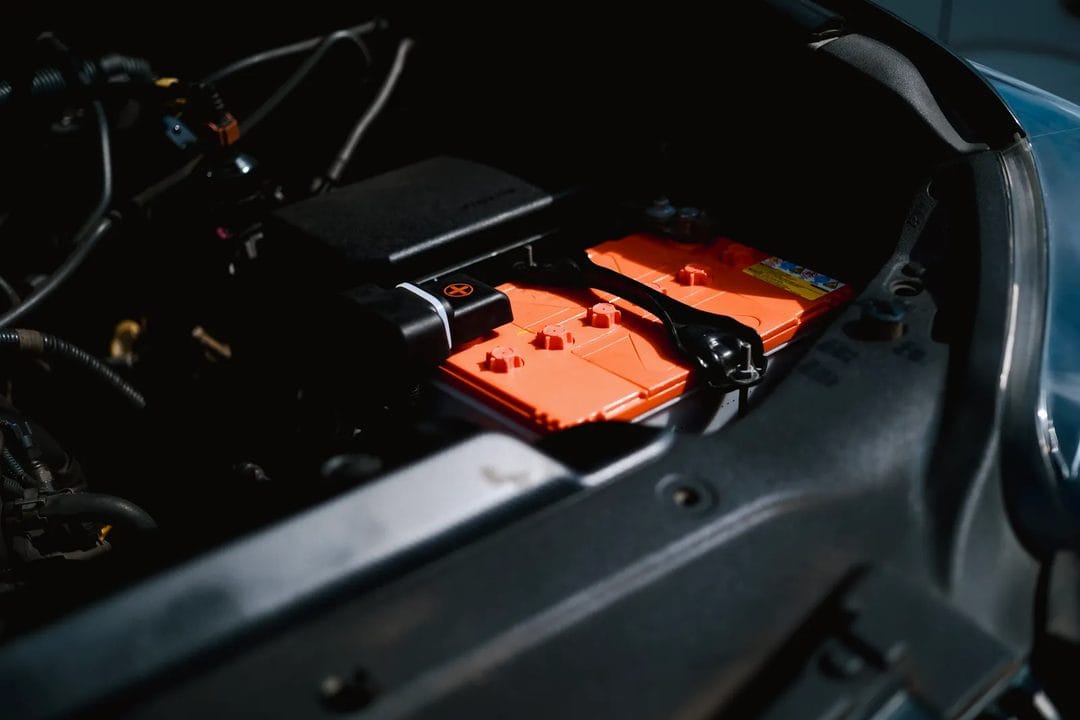
China's industry ministry has widened requirements for tracking electric-vehicle batteries from production through disposal, expanding a traceability system first rolled out in 2018 as the country's earliest mass-produced EVs — sold under subsidy programmes between 2015 and 2018 — reach the end of a typical eight-to-ten-year service life. The updated rules, which apply to manufacturers, licensed recyclers and secondhand dealers, require every battery pack to carry a registered code logged in the national New Energy Vehicle Battery Traceability Platform at each change of ownership. Regulators say the aim is to stop battery packs from disappearing into informal, unlicensed dismantling operations that bypass environmental controls on heavy metals and electrolyte disposal.
The expansion comes as China's on-road EV fleet, the largest in the world, has grown into the tens of millions since subsidy-driven sales took off in the mid-2010s. Guangdong, Jiangsu and Hunan host most of the country's licensed recycling capacity, with GEM Co., CATL's Brunp Recycling subsidiary and Huayou Cobalt running the largest processing lines for spent lithium-ion packs. Since 2018 the Ministry of Industry and Information Technology has published successive rounds of an approved-recycler “whitelist,” and the current expansion adds stricter disclosure requirements for lithium, nickel and cobalt recovery rates at each listed facility.
Enforcement measures
Provincial regulators have started enforcing the tightened rules through several channels, though local rollout speed varies by province:
- Mandatory battery-passport codes checked at vehicle resale and export
- Random audits of unlicensed scrapyards, with Guangdong and Zhejiang naming the most inspections so far this year
- Extended producer-responsibility fines for automakers whose battery packs turn up at unregistered dismantlers
- Reporting requirements are still being finalised at the provincial level, and enforcement offices have been given until the end of the year to align local registries with the national platform, among other measures
The tightened mandate is being watched outside China as well. Battery makers in South Korea and Japan, several of which supply cells to automakers with assembly lines across Southeast Asia, face a parallel challenge as batteries from the region's earliest EV and hybrid models begin reaching end-of-life on a broadly similar timeline. Separately, the European Union's own battery regulation introduces a mandatory digital battery passport for EV batteries starting in February 2027 — a date close enough to China's current enforcement push that manufacturers selling into both markets are increasingly building one harmonised tracking format rather than maintaining separate compliance systems region by region.
Compliance costs for smaller recyclers remain the open question in the rollout. Facilities that fail to meet the new disclosure thresholds risk losing their whitelist status, cutting them off from automaker supply contracts that require certified end-of-life documentation for battery materials re-entering the cell-manufacturing chain.