Borneo Deforestation Rate Drops 22% After Palm Oil Moratorium
Borneo deforestation drops 22% in 2025 following Indonesia's strengthened moratorium on new palm oil concessions, satellite data shows.
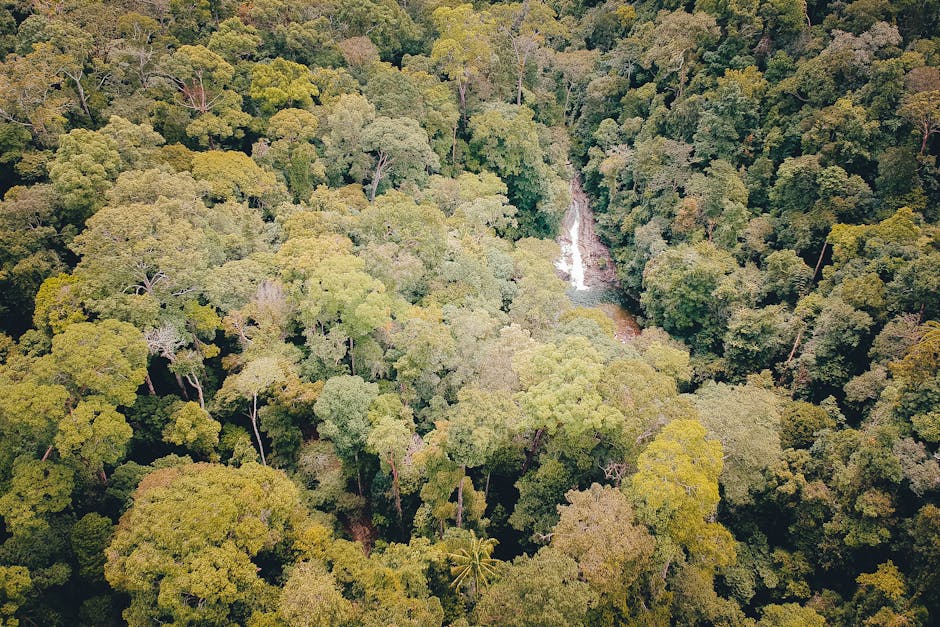
Borneo Deforestation Rate Drops 22% After Palm Oil Moratorium
Satellite analysis published on October 25, 2025 by Global Forest Watch shows a 22% decline in primary forest loss across Indonesian and Malaysian Borneo during the first nine months of the year. The reduction follows Indonesia's expanded moratorium on new palm oil concessions, enacted in January 2025.
Total forest loss in Borneo fell to approximately 195,000 hectares in the January-September period, down from 250,000 hectares during the same period in 2024.
Moratorium Details
Indonesia's Environment and Forestry Ministry extended and strengthened a moratorium first introduced in 2011, closing loopholes that previously allowed concession swaps and reclassification of forest areas. Malaysian Sabah and Sarawak states implemented complementary restrictions on new plantation licenses.
"This is the most significant policy enforcement we have seen in a decade," said Bustar Maitar, former head of Greenpeace Indonesia's forest campaign. "The key question is whether it survives election-year pressures."
Economic Pressures
Indonesia remains the world's top palm oil producer, generating $23 billion in export revenue in 2024. Smallholder farmers, who manage roughly 40% of palm oil acreage, have expressed concerns about restricted expansion opportunities.
The government has responded with a $1.5 billion replanting program that provides subsidies for upgrading existing plantations with higher-yield varieties, targeting productivity gains of 30% without clearing new land.
Biodiversity Benefits
Borneo's forests shelter an estimated 1,500 endemic species, including the critically endangered Bornean orangutan, whose population has declined by 50% since 1999. Conservation groups report that key orangutan corridors in Central Kalimantan have seen reduced fragmentation.
The Heart of Borneo initiative, a tri-national conservation agreement, reported a 15% increase in wildlife camera-trap detections for clouded leopards and sun bears in protected corridors.
Challenges Ahead
Illegal logging and land clearing by fire remain persistent problems, particularly in peatland areas. Indonesian authorities recorded 3,200 fire hotspots in Kalimantan during August and September, though this represents a 30% decrease from the same period last year.
The EU Deforestation Regulation, which requires importers to prove products are deforestation-free, takes full effect in December 2025 and is expected to add further market incentives for compliance.