Textile Recycling Hub Opens in Bangladesh to Tackle Fashion Waste
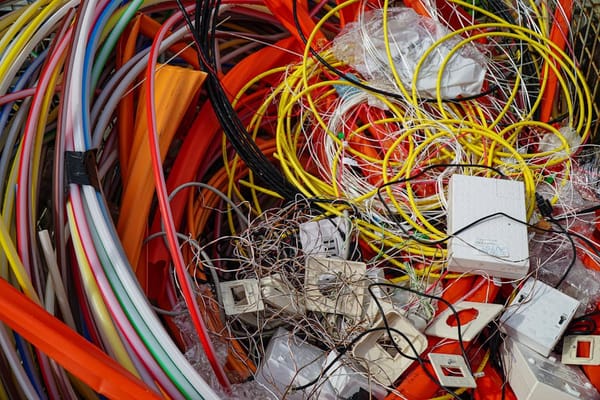
Bangladesh opens its first industrial textile recycling plant, processing 50,000 tons annually to convert garment waste into new fiber.
A news website covering the environment, climate, and sustainable development in East Asia. The region is both one of the largest sources of pollution and a leader in green energy investment—a contradiction that provides an inexhaustible news agenda. The site covers policy, corporate initiatives, climate data, and environmental projects.
Bangladesh opens its first industrial textile recycling plant, processing 50,000 tons annually to convert garment waste into new fiber.
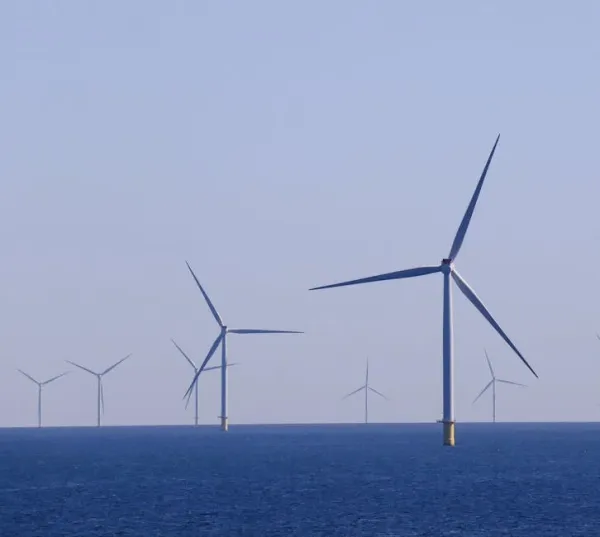
Vietnam awards 6 GW of offshore wind capacity to international developers at $0.072/kWh in its first competitive auction.
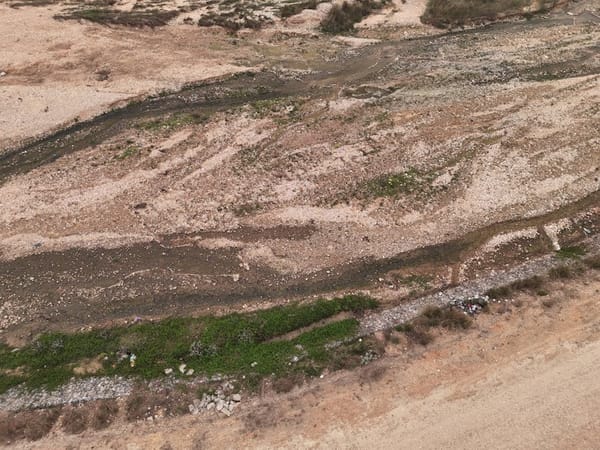
India approves 12 desalination plants across seven states to produce 2.8 billion liters daily, addressing water scarcity for 25 million people.
INTERPOL seizes 28 tons of pangolin scales and arrests 147 suspects across five Southeast Asian countries in the largest anti-pangolin-trafficking operation.
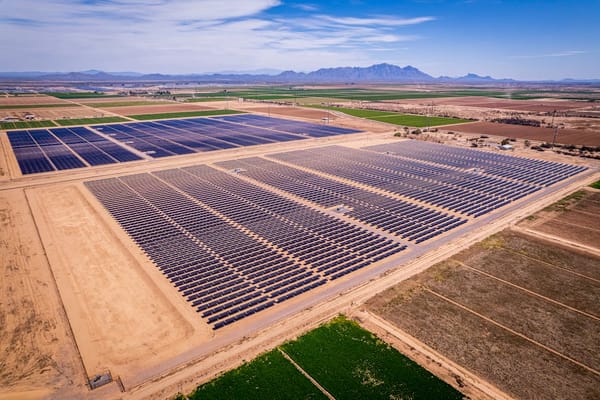
A 320 MW floating solar farm on a former coal mining lake in Anhui, China becomes the world's largest, repurposing industrial wasteland for clean energy.
A study of 2,400 seafood samples across 12 Asian countries finds microplastic particles in 90%, with highest levels in Vietnam, Indonesia, and Philippines.
Record monsoon flooding in Bangladesh displaces 2 million, destroys 1.2 million tons of rice, and accelerates climate-driven internal migration.
A land swap deal protects 45,000 hectares of Sumatra's Leuser-Ulu Masen corridor, the only place where four critically endangered species coexist.
Beijing records its cleanest air in 15 years with PM2.5 at 28 µg/m³, a 62% improvement from 2015 driven by coal phaseout and vehicle electrification.
Asia-Pacific green bond issuance hits $120 billion in 2025, led by China at $62 billion, as regulatory mandates drive climate-aligned investment.
India's tiger census shows 3,600 wild tigers, a 14% increase since 2022, driven by expanded wildlife corridors and technology-driven monitoring.
Singapore's VertiVegies launches a 12-story vertical farm producing 500 tons of greens annually, using 95% less water than conventional farming.