Singapore Sets 2030 Carbon Border Adjustment, Asia's First CBAM-Style Rule
Singapore confirmed on May 6 that it will require carbon disclosure on seven imported product categories from 2030, with full price adjustment from 2032. It is Asia's first formal border carbon mechanism.
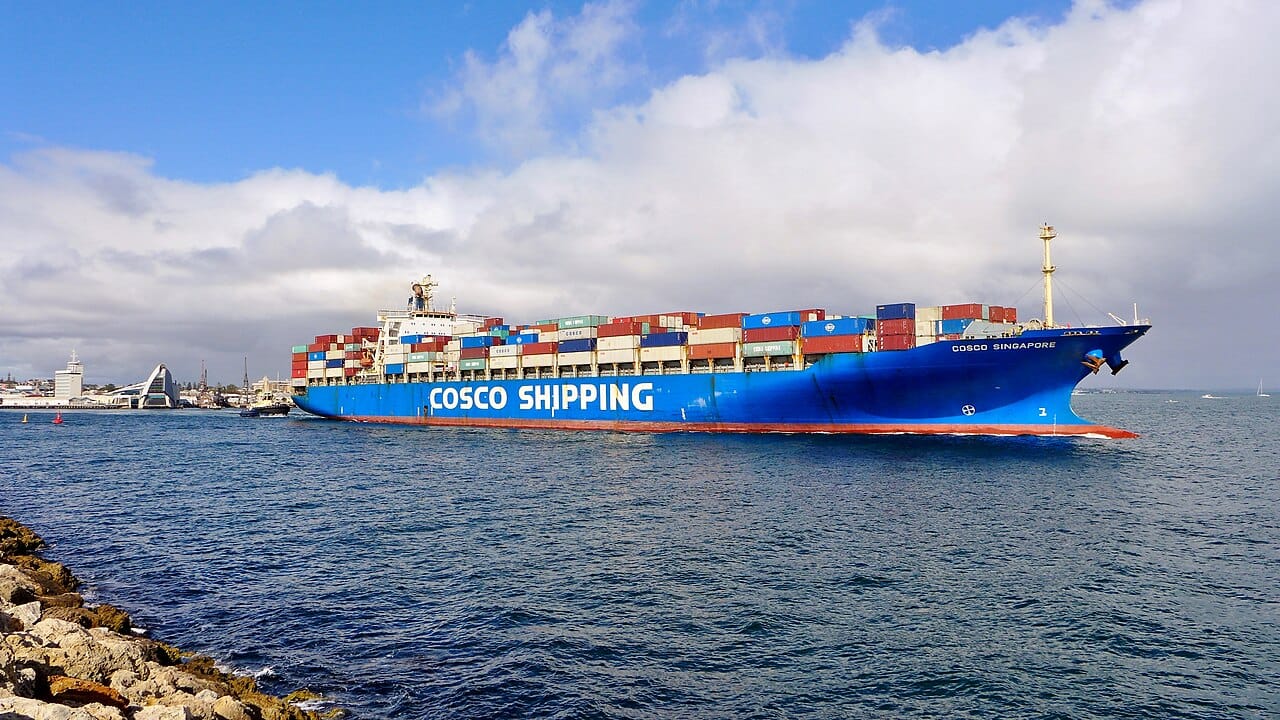
Singapore's Ministry of Sustainability and the Environment confirmed on May 6, 2026 that the city-state will require importers of seven covered product categories to declare embedded carbon emissions starting January 1, 2030, with carbon-pricing adjustments phased in over the following two years. The framework, modelled on but materially different from the European Union's CBAM, is the first border carbon adjustment mechanism formally adopted in Asia.
The Seven Covered Categories
The initial scope tracks closely with the EU framework, though without electricity. The covered products are cement, iron and steel, aluminium, fertilisers, hydrogen, refined petroleum products, and select downstream chemicals. The Ministry has signalled it will expand the list to include glass, paper, and parts of the food sector by 2032 if the first phase performs as expected.
Importers will need to file quarterly emissions declarations beginning in 2030, with verified data submitted annually. From 2032, importers will need to surrender certificates corresponding to the embedded emissions in their goods, priced at the prevailing Singapore Carbon Tax rate, which is currently scheduled to reach 80 Singapore dollars per ton by 2030.
How It Differs From the EU's CBAM
Three differences matter. First, scope: Singapore is starting smaller and growing more slowly, with no plans to bring electricity into scope. Second, free allowances: Singapore's domestic carbon tax does not have a free-allowance carve-out for trade-exposed industries, so the border mechanism does not need a phase-in to mirror that. Third, enforcement: Singapore is leaning much more heavily on the country's existing tax authority and customs technology stack, rather than building a parallel registry.
Sectors Most Affected by Trade Volume
- Cement, where ASEAN imports dominate Singapore consumption
- Steel rebar from China, Vietnam, and India
- Aluminium semi-finished products from Bahrain, Malaysia and India
- Refined petroleum products from regional refineries
- Ammonia and urea from Indonesian and Malaysian sources
Reactions Across the Region
ASEAN partners offered a measured response. Malaysia's Ministry of Investment, Trade and Industry, MITI, said in a statement that it would engage Singapore on technical implementation but flagged concern that Malaysian aluminium and steel exporters could face disproportionate compliance costs. Indonesia, the largest single source of Singapore's clinker imports, said its cement industry was preparing transition plans and welcomed clarity on the timeline.
China's MOFCOM, in a one-paragraph statement, urged Singapore to ensure the mechanism remains WTO-compliant and does not act as disguised protection. Privately, Chinese steelmakers operating in Singapore through trading arms have already begun discussing how to allocate low-carbon mill output to Singapore-bound shipments to minimise certificate exposure.
What Importers Need to Do Now
The Ministry has published a draft methodology for emissions calculation, including default values for unverified shipments. Singapore-based importers will need to begin collecting upstream supplier data this year if they are to be ready for the 2030 declaration window. Industry associations have flagged the supplier-data challenge as the largest practical obstacle, particularly for small and medium importers without leverage over their producers.
The Domestic Picture
The border mechanism complements rather than replaces Singapore's domestic carbon tax, which already covers about 80 percent of national emissions. The combined effect, ministry officials said, is to ensure that domestic producers competing with imports are not undercut by less stringent regulation abroad. The mechanism is, in their framing, climate policy and industrial policy at the same time.
Regional Implications
The bigger question is whether Singapore's move catalyses a regional response. Japan and South Korea have both studied border carbon mechanisms but have stopped short of adopting them, in part because their export profiles make them more vulnerable to retaliation than Singapore's. If Singapore's framework runs cleanly through its first two years, expect Tokyo and Seoul to revisit the issue. Malaysia and Thailand, both of which have introduced limited domestic carbon pricing, are watching the regulatory craft closely.
What to Watch
The next milestones are the publication of the final methodology in the third quarter of 2026, the opening of the importer registration portal in 2027, and the first dry-run reporting cycle in 2028. If those run smoothly, Singapore will have demonstrated that border carbon adjustment is administrable in Asia. If they don't, expect ASEAN partners to argue, with some justification, that Singapore overreached.